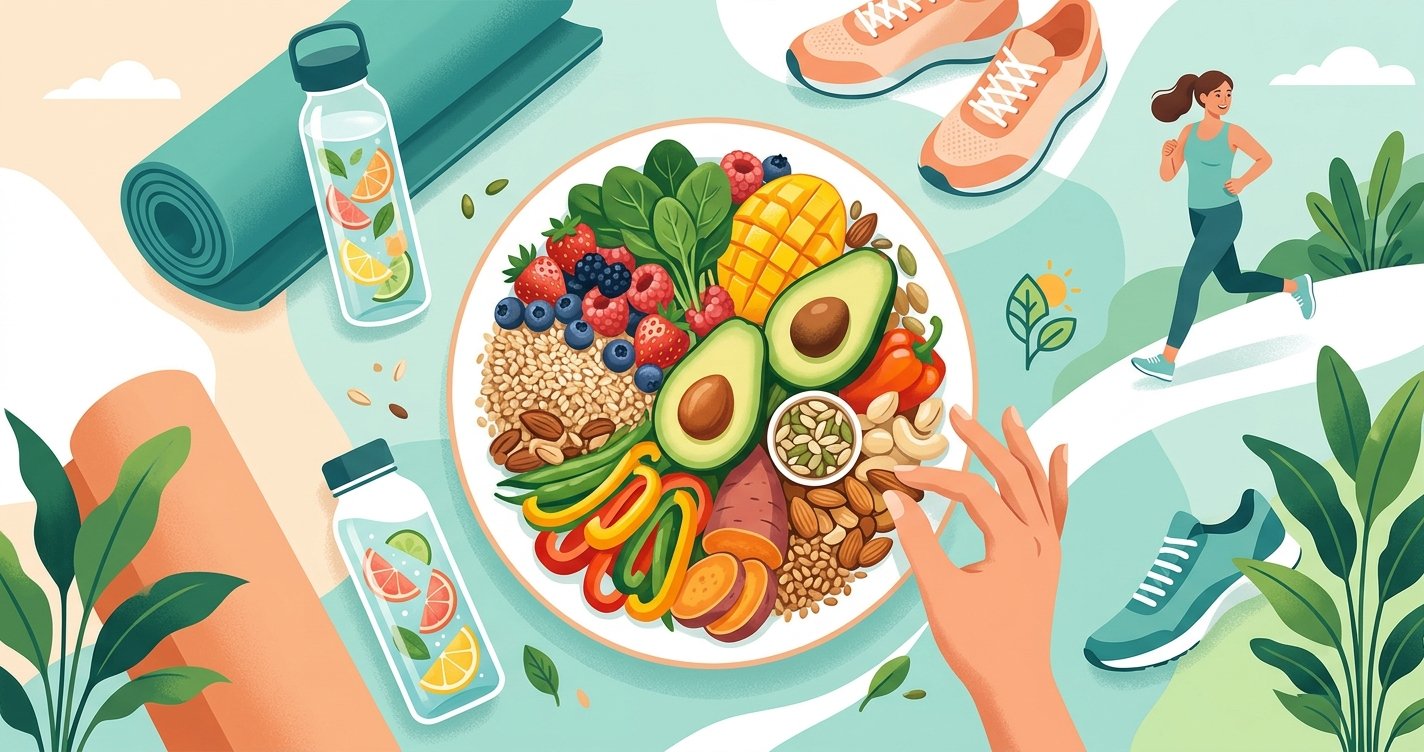
Tired of the endless cycle of dieting, restriction, and rebound? You're not alone. For decades, the weight loss industry has pushed quick fixes and strict meal plans, often leaving us feeling frustrated, defeated, and further away from our health goals than ever before. But what if there was another way? A path to fat loss that doesn't involve calorie counting, guilt, or deprivation? Welcome to the world of sustainable fat loss through a non-diet approach.
This isn't about ignoring your health or simply 'giving up.' Instead, it's about shifting your focus from temporary fixes to lasting lifestyle changes, building a healthier relationship with food and your body, and understanding that true wellness extends far beyond the number on the scale. We'll explore evidence-based strategies that empower you to achieve your fat loss goals without the stress and unsustainability of traditional dieting. Let's embark on a journey to a healthier, happier you, one gentle, empowering step at a time. this excellent wellness product
Why Traditional Diets Often Fail (And What to Do Instead)
The allure of a rapid transformation is powerful, which is why so many of us fall prey to trendy diets promising quick results. However, the vast majority of these diets are built on a foundation of severe restriction, leading to a host of problems:
- Metabolic Adaptation: Your body is smart. When faced with extreme calorie deficits, it adapts by slowing down your metabolism to conserve energy, making it harder to lose weight and easier to regain it once you stop the diet.
- Nutrient Deficiencies: Restrictive diets often cut out entire food groups, potentially depriving your body of essential vitamins, minerals, and macronutrients vital for overall health.
- Increased Cravings and Binge Eating: Deprivation often backfires. The more you tell yourself you can't have something, the more you crave it, often leading to cycles of restriction followed by overeating or bingeing.
- Psychological Stress: The constant monitoring, guilt, and fear of 'failing' can take a huge toll on your mental health, increasing stress hormones that can actually hinder fat loss.
- Unsustainability: Most restrictive diets are simply not enjoyable or practical to maintain long-term, making them destined for failure and leading to the dreaded 'yo-yo effect.'
Instead of focusing on what you can't have, a non-diet approach shifts the paradigm to what you can do to nourish your body, improve your well-being, and naturally support healthy fat loss.
The Core Principles of a Non-Diet Approach to Fat Loss
This approach isn't a rigid plan, but rather a set of flexible principles that guide you towards intuitive, health-promoting behaviors.
Mindful Eating: Reconnecting with Your Body's Wisdom
One of the cornerstones of sustainable fat loss is learning to listen to your body's innate signals. In our busy lives, we often eat out of habit, boredom, or stress, rather than true hunger. Mindful eating encourages you to pay attention to:
- Hunger Cues: Before you eat, check in with your body. Are you truly hungry? What does that hunger feel like?
- Fullness Cues: Eat slowly and pay attention to when you feel comfortably satisfied, not stuffed. It takes about 20 minutes for your stomach to signal your brain that it's full.
- Sensory Experience: Savor your food. Notice the flavors, textures, and aromas. Put down your fork between bites.
- Emotional Triggers: Identify non-hunger reasons for eating (stress, boredom, sadness) and find alternative coping mechanisms.
By tuning into these signals, you naturally regulate your intake and develop a healthier relationship with food.
Prioritize Whole, Nutrient-Dense Foods
Instead of cutting out entire food groups, focus on adding more nourishing, whole foods to your diet. These foods are naturally rich in vitamins, minerals, fiber, and protein, which are crucial for satiety, energy, and metabolic health.
- Lean Proteins: Chicken, fish, eggs, tofu, legumes. Protein helps you feel full longer and supports muscle maintenance, which is vital for a healthy metabolism.
- Fiber-Rich Vegetables and Fruits: Broccoli, spinach, berries, apples. Fiber aids digestion, helps regulate blood sugar, and contributes to satiety.
- Healthy Fats: Avocados, nuts, seeds, olive oil. Healthy fats are essential for hormone production, nutrient absorption, and also contribute to feeling satisfied after meals.
- Complex Carbohydrates: Oats, quinoa, brown rice, sweet potatoes. These provide sustained energy without the blood sugar spikes and crashes associated with refined carbs.
When your body receives adequate nutrition, cravings for less healthy options often diminish naturally.
Embrace Gentle Nutrition: Flexibility Over Perfection
Gentle nutrition means making food choices that honor your health while also allowing for enjoyment and flexibility. It's about progress, not perfection. This means:
- The 80/20 Rule: Aim for nutrient-dense foods 80% of the time, and allow yourself to enjoy less nutritious foods 20% of the time without guilt.
- No 'Good' or 'Bad' Foods: Remove the moral judgment from food. All foods can fit into a balanced diet.
- Listening to Cravings (Wisely): Instead of fighting cravings, acknowledge them. Sometimes a craving for chocolate means you genuinely want chocolate; other times, it might signal dehydration or a need for emotional comfort. Address the root cause.
This balanced approach prevents the feelings of deprivation that lead to diet failure.
Move Your Body Joyfully: Exercise for Well-being, Not Punishment
Physical activity is a powerful tool for fat loss, but its benefits extend far beyond calorie burning. The key is to find movement you genuinely enjoy, making it sustainable and a positive part of your life.
- Shift Your Mindset: View movement as a way to boost energy, improve mood, reduce stress, and strengthen your body, rather than a punishment for what you've eaten.
- Find Your Joy: Whether it's dancing, hiking, swimming, yoga, cycling, or lifting weights, choose activities that make you feel good.
- Consistency Over Intensity: Regular, moderate activity is more beneficial than sporadic, intense bursts that lead to burnout. Aim for at least 30 minutes most days of the week.
- Incorporate Strength Training: Building muscle helps boost your metabolism, even at rest, making it a powerful ally in fat loss.
When movement becomes a source of pleasure, it's much easier to stick with.
Beyond the Plate: Lifestyle Factors for Sustainable Success
Fat loss isn't just about food and exercise; it's a holistic process influenced by various lifestyle factors.
The Power of Quality Sleep
Sleep is often overlooked, but it's a non-negotiable component of sustainable fat loss. Poor sleep disrupts hormones that regulate appetite and metabolism:
- Ghrelin and Leptin: Lack of sleep increases ghrelin (the hunger hormone) and decreases leptin (the satiety hormone), leading to increased appetite and cravings, especially for high-carb, sugary foods.
- Cortisol: Insufficient sleep elevates cortisol, the stress hormone, which can promote fat storage, particularly around the abdomen.
- Energy Levels: When you're tired, you're less likely to exercise and more likely to reach for quick energy fixes like caffeine and sugary snacks.
Aim for 7-9 hours of quality sleep per night. Establish a consistent sleep schedule, create a relaxing bedtime routine, and optimize your sleep environment.
Stress Management: Taming the Cortisol Beast
Chronic stress is a silent saboteur of fat loss. When stressed, your body releases cortisol, which, as mentioned, can encourage fat storage and increase cravings for comfort foods. Learning to manage stress is vital:
- Mindfulness & Meditation: Even a few minutes a day can significantly reduce stress levels.
- Deep Breathing Exercises: Simple yet effective for calming your nervous system.
- Hobbies & Downtime: Engage in activities you enjoy to unwind and recharge.
- Social Connection: Spend time with loved ones; social support is a powerful stress buffer.
Prioritizing stress reduction creates a more favorable environment for your body to release excess fat.
Hydration: Simple Yet Crucial
Drinking enough water is a simple habit with profound benefits for fat loss and overall health:
- Satiety: Sometimes, thirst is mistaken for hunger. Drinking water before meals can help you feel fuller.
- Metabolism: Water is essential for countless metabolic processes, including fat burning.
- Energy & Digestion: Proper hydration supports energy levels and keeps your digestive system running smoothly.
Aim for at least 8 glasses of water a day, more if you're active or in a hot climate.
Building a Supportive Environment & Cultivating Self-Compassion
Your environment plays a huge role in your success. Stock your pantry with nourishing foods, plan meals ahead, and seek out social support from friends, family, or a community that encourages healthy habits.
Perhaps most importantly, cultivate self-compassion. This journey is not linear. There will be days when you make choices you regret, or when progress feels slow. Instead of self-criticism, offer yourself kindness and understanding. Learn from setbacks, adjust, and keep moving forward. Remember, sustainable fat loss is a marathon, not a sprint, and your body deserves patience and respect.
Your Journey Starts Now: Small Steps, Big Impact
Embarking on a non-diet approach to fat loss can feel liberating. It's about tuning into your body, nourishing it with respect, and moving in ways that bring you joy. You don't need to overhaul everything overnight. Start small. Pick one or two principles that resonate with you and commit to practicing them consistently.
- Maybe it's practicing mindful eating for one meal a day.
- Perhaps it's adding a vegetable to every dinner.
- Or committing to a 15-minute walk after work.
Each small, consistent step builds momentum towards lasting change. Celebrate your progress, trust the process, and remember that true health is about feeling good, energized, and vibrant in your own skin, not just achieving a certain number on the scale. Embrace this journey of self-discovery and empowerment, and watch as sustainable fat loss becomes a natural byproduct of a healthier, happier you.