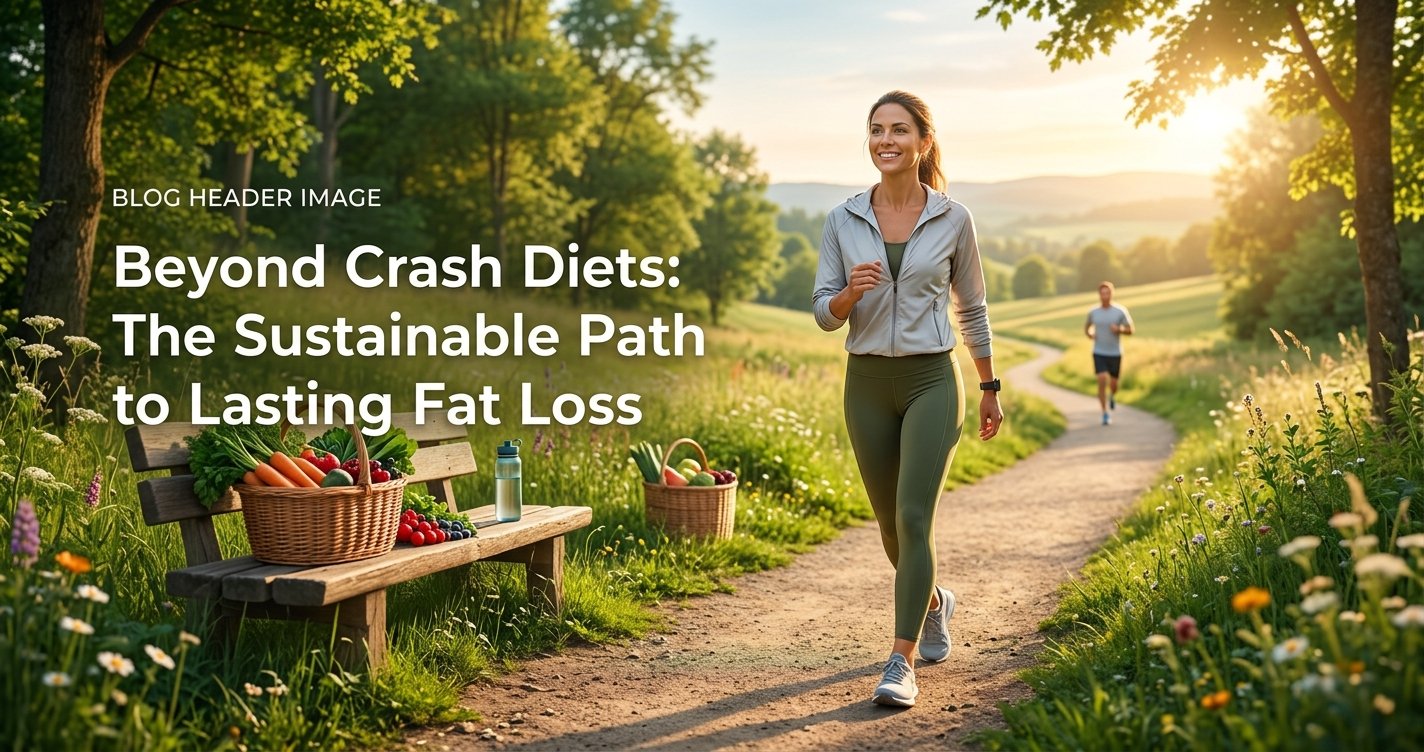
Tired of the Yo-Yo? Discover the Sustainable Path to Lasting Fat Loss!
Have you ever felt caught in the endless cycle of crash diets, restrictive eating, and then inevitably, regaining the weight you fought so hard to lose? You’re not alone. In a world obsessed with quick fixes and drastic transformations, it’s easy to fall prey to promises that rarely deliver long-term results. But what if there was a better way? A path to fat loss that doesn't involve deprivation, endless hunger, or a constant battle against your own body?
Welcome to the non-diet approach to sustainable fat loss. This isn't about rigid rules or impossible standards; it's about understanding your body, building healthy habits, and fostering a loving relationship with food and movement. Prepare to ditch the diet mentality and embrace a journey that leads to lasting change, improved health, and genuine well-being. this excellent wellness product
Why Crash Diets Fail (And What to Do Instead)
The allure of rapid weight loss is powerful, but crash diets are a trap. While they might deliver initial results, they often lead to metabolic adaptation (your body slows down to conserve energy), nutrient deficiencies, and an unsustainable psychological toll. The extreme restriction often triggers intense cravings, leading to eventual binges and the dreaded “yo-yo effect.”
What to do instead: Shift your focus from rapid weight loss to sustainable fat loss. This means prioritizing gradual, consistent changes that you can maintain indefinitely. Instead of seeing food as the enemy, view it as fuel. Instead of punishing your body with extreme workouts, find movement you enjoy. This holistic approach respects your body's natural rhythms and promotes health from the inside out.
The Power of Mindful Eating for Sustainable Fat Loss
One of the most profound shifts you can make is embracing mindful eating. This isn’t a diet; it’s a practice of paying attention to your food, your body’s hunger and fullness cues, and the entire eating experience. In our fast-paced world, we often eat distractedly, missing out on the signals our body sends us.
- Slow Down: Put your fork down between bites. Take time to chew thoroughly.
- Tune In: Before eating, ask yourself if you’re truly hungry. During the meal, check in with your body – are you satisfied, or still hungry?
- Savor Your Food: Notice the textures, aromas, and flavors. Enjoy the experience without guilt.
- Avoid Distractions: Turn off the TV, put away your phone. Make mealtime a dedicated moment.
Mindful eating helps you recognize true hunger versus emotional hunger, prevents overeating, and allows you to enjoy food more fully. It fosters a healthier relationship with food, which is crucial for sustainable fat loss.
Fueling Your Body Smart: Nutrition Without Restriction
Sustainable fat loss isn't about cutting out entire food groups or suffering through bland meals. It's about making smart, informed choices that nourish your body while still allowing for flexibility and enjoyment.
- Prioritize Protein: Protein is incredibly satiating, helping you feel fuller for longer. It also supports muscle maintenance, which is vital for a healthy metabolism. Include lean meats, fish, eggs, dairy, legumes, and tofu in your meals.
- Embrace Fiber-Rich Foods: Found in fruits, vegetables, whole grains, and legumes, fiber adds bulk to your meals, aids digestion, and helps regulate blood sugar, preventing energy crashes and cravings.
- Don't Fear Healthy Fats: Avocados, nuts, seeds, and olive oil are essential for hormone production, nutrient absorption, and satiety. They add flavor and satisfaction to your meals, just remember portion awareness as they are calorie-dense.
- Hydrate, Hydrate, Hydrate: Often mistaken for hunger, thirst can lead to unnecessary snacking. Drink plenty of water throughout the day.
- Portion Awareness, Not Deprivation: Instead of strict calorie counting, focus on balanced plates and appropriate portion sizes. Listen to your body's fullness cues.
Think of your plate as a canvas: half vegetables, a quarter lean protein, and a quarter complex carbohydrates. This simple framework ensures you're getting a wide array of nutrients that support your energy levels and fat loss goals.
Move Your Body, Love Your Body: Exercise as a Lifestyle
Forget punishing workouts and endless cardio sessions you dread. For sustainable fat loss, movement should be about enhancing your life, improving your health, and feeling strong and capable. Find activities you genuinely enjoy!
- Strength Training is Your Friend: Building muscle mass is key for boosting your metabolism. Muscle burns more calories at rest than fat, making it a powerful tool for fat loss. Aim for 2-3 sessions per week.
- Cardio for Heart Health & Stamina: Whether it's brisk walking, jogging, cycling, swimming, or dancing, find a cardio activity that gets your heart rate up and makes you feel good.
- Incorporate NEAT (Non-Exercise Activity Thermogenesis): This includes all the movement you do outside of structured exercise – taking the stairs, parking further away, standing at your desk, gardening. These small movements add up!
- Listen to Your Body: Rest days are just as important as active days. Avoid overtraining, which can lead to burnout and injury.
The goal isn't to burn off every calorie you eat, but to build a strong, resilient body that feels good moving. Consistency and enjoyment are far more important than intensity.
The Crucial Role of Sleep and Stress Management
You can eat perfectly and exercise diligently, but if you're consistently sleep-deprived or stressed, your fat loss efforts will be severely hampered. These often-overlooked factors play a massive role in how your body stores and uses energy.
- Sleep's Impact: Lack of sleep disrupts hunger-regulating hormones. Ghrelin (the hunger hormone) increases, while leptin (the satiety hormone) decreases, leading to increased cravings, especially for high-calorie foods. Poor sleep also increases cortisol (the stress hormone), which can encourage fat storage around the midsection. Aim for 7-9 hours of quality sleep per night.
- Managing Stress: Chronic stress also elevates cortisol, which not only promotes fat storage but can also lead to emotional eating. Find healthy ways to manage stress, such as meditation, deep breathing exercises, spending time in nature, hobbies, or connecting with loved ones.
Prioritizing sleep and stress reduction isn't a luxury; it's a fundamental component of sustainable fat loss and overall health.
Building Sustainable Habits: Consistency Over Perfection
The journey to sustainable fat loss is not a sprint; it's a marathon of consistent, small, positive choices. You don't need to be perfect; you just need to be persistent.
- Start Small: Don't try to overhaul everything at once. Pick one or two habits to focus on (e.g., drinking more water, adding protein to breakfast, taking a daily walk) and master them before adding more.
- Embrace Imperfection: There will be days when you stray from your plan, or make less-than-optimal choices. That's okay! Acknowledge it, learn from it, and get back on track with your next meal or opportunity. Don't let one 'slip-up' derail your entire journey.
- Focus on Non-Scale Victories: The number on the scale is just one metric. Celebrate increased energy, better sleep, clothes fitting differently, improved mood, stronger lifts, or clearer skin. These are powerful motivators.
- Seek Support: Share your goals with a supportive friend, family member, or consider working with a coach or dietitian. Accountability can make a huge difference.
Your Sustainable Fat Loss Journey Starts Now!
Ditching the diet mentality might feel daunting at first, but it’s the most empowering step you can take towards lasting fat loss and a healthier, happier you. This isn't about restricting yourself into a smaller body; it's about nourishing your body, mind, and soul into a vibrant, energetic one.
Embrace mindful eating, fuel your body with nutrient-dense foods, find joy in movement, prioritize your sleep, and manage your stress. These aren't just tips for losing fat; they are pillars of a healthy, fulfilling life. Start today, one small, sustainable change at a time. Your body, and your future self, will thank you.