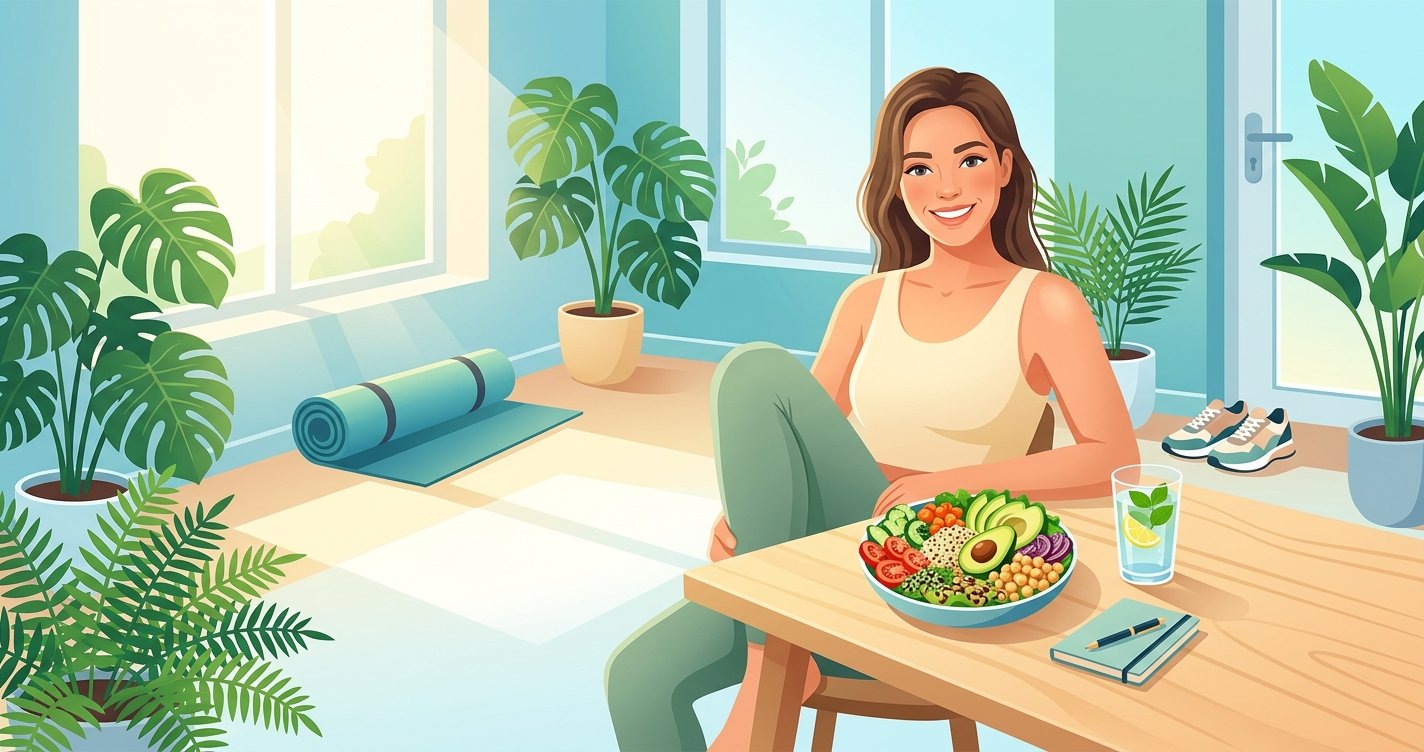
Beyond the Diet: Your Friendly Guide to Sustainable Fat Loss and Lasting Health
Are you tired of the endless cycle of restrictive diets, quick fixes, and the frustration of seeing the numbers on the scale yo-yo? You’re not alone. Many of us have been conditioned to believe that fat loss requires extreme deprivation and punishing workouts. But what if we told you there’s a kinder, more effective path to lasting fat loss and genuine well-being?
This isn't about the latest fad diet or a magic pill. It's about understanding your body, building sustainable habits, and embracing a lifestyle that supports your health from the inside out. We're diving deep into an evidence-based, encouraging approach that focuses on long-term success, not just temporary results. Let's ditch the diet mentality and discover how to achieve sustainable fat loss that feels good and truly lasts. this excellent wellness product
Why Traditional Diets Often Fail (And What to Do Instead)
For decades, diet culture has dominated the conversation around fat loss, promising rapid results through severe calorie restriction and elimination of entire food groups. While these approaches might yield initial drops on the scale, they often come with a heavy price:
- Metabolic Slowdown: Your body is smart. When faced with drastic calorie cuts, it perceives a famine and slows down your metabolism to conserve energy, making it harder to lose fat and easier to regain it once the diet stops.
- Hormonal Imbalance: Restrictive eating can disrupt key hormones like leptin (satiety hormone) and ghrelin (hunger hormone), leading to increased cravings and a constant battle against your own biology.
- Psychological Toll: The constant focus on restriction can lead to feelings of deprivation, guilt, and even trigger disordered eating patterns like bingeing. It erodes your relationship with food and your body.
- Unsustainability: Extreme diets are rarely sustainable long-term. Life happens, and eventually, the rules become too rigid to follow, leading to burnout and a return to old habits, often with more weight gained than lost.
Instead of fighting your body, let’s work with it. The 'non-diet' approach to fat loss focuses on gentle nutrition, mindful eating, enjoyable movement, and crucial lifestyle factors that support your body’s natural ability to reach a healthy set point.
The Power of Mindful Eating for Sustainable Fat Loss
Mindful eating isn't a diet; it's a practice of paying attention to your food and your body’s signals without judgment. It helps you reconnect with your innate hunger and fullness cues, which traditional dieting often overrides.
How to Practice Mindful Eating:
- Listen to Your Body: Before you eat, ask yourself: Am I truly hungry, or am I eating out of boredom, stress, or habit? During meals, pay attention to signs of comfortable fullness.
- Savor Each Bite: Eat slowly, chew thoroughly, and truly taste your food. Notice the flavors, textures, and aromas. This allows your body time to register satiety.
- Minimize Distractions: Turn off the TV, put away your phone, and focus solely on your meal. Eating mindfully can prevent overeating that often happens when you’re distracted.
- Honor Your Cravings (Wisely): Instead of resisting cravings until you binge, acknowledge them. Ask yourself what you truly desire, and consider a small, satisfying portion rather than feeling deprived.
By tuning into your body’s wisdom, you naturally make food choices that serve you better, leading to reduced overeating and a more enjoyable, less stressful relationship with food.
Gentle Nutrition: Fueling Your Body, Not Restricting It
Forget the 'good' and 'bad' food labels. Gentle nutrition is about making nourishing choices most of the time, focusing on abundance and variety rather than deprivation. It’s about understanding what your body needs to thrive and providing it consistently.
Key Principles of Gentle Nutrition for Fat Loss:
- Prioritize Protein: Protein is incredibly satiating, helps preserve muscle mass during fat loss, and has a higher thermic effect (meaning your body burns more calories digesting it). Include lean proteins like chicken, fish, eggs, tofu, lentils, and Greek yogurt in every meal.
- Embrace Fiber-Rich Foods: Fiber from fruits, vegetables, whole grains, and legumes keeps you feeling full longer, aids digestion, and helps stabilize blood sugar levels, reducing cravings.
- Don't Fear Healthy Fats: Healthy fats (avocado, nuts, seeds, olive oil) are crucial for hormone production, nutrient absorption, and satiety. They add flavor and satisfaction to your meals.
- Hydration is Key: Often overlooked, adequate water intake supports metabolism, helps with satiety, and can prevent mistaking thirst for hunger. Aim for plenty of water throughout the day.
- Focus on Nutrient Density: Choose whole, unprocessed foods that provide a wide array of vitamins, minerals, and antioxidants. When you consistently nourish your body, it functions optimally.
This approach isn't about perfect eating; it's about consistent, smart choices that add up over time, making fat loss a natural byproduct of a well-nourished body.
Movement That Matters: Finding Joy in Physical Activity
Exercise shouldn't feel like a punishment for what you've eaten. For sustainable fat loss, the goal is to find forms of movement you genuinely enjoy, making it a sustainable part of your life.
Benefits of Movement Beyond Calorie Burn:
- Muscle Preservation/Building: Strength training is vital for fat loss. Muscle is metabolically active tissue, meaning it burns more calories at rest than fat. Building muscle helps maintain a healthy metabolism even during calorie deficits.
- Improved Insulin Sensitivity: Regular physical activity helps your body use insulin more effectively, crucial for managing blood sugar and fat storage.
- Stress Reduction: Movement is a powerful stress reliever, helping to lower cortisol levels (a hormone linked to increased belly fat).
- Enhanced Mood and Energy: Exercise releases endorphins, boosting your mood and energy levels, making it easier to stick to other healthy habits.
Whether it's walking, dancing, hiking, cycling, swimming, or lifting weights, find what resonates with you. Consistency and enjoyment are far more important than intensity when it comes to long-term adherence.
Beyond Food and Exercise: The Crucial Role of Lifestyle Factors
Fat loss isn't just about what you eat and how you move. Your lifestyle plays a massive role in your body's ability to shed fat and maintain a healthy weight.
Prioritize These Lifestyle Pillars:
- Quality Sleep: Lack of sleep wreaks havoc on your hunger hormones (increasing ghrelin, decreasing leptin), leading to increased cravings for unhealthy foods and impaired fat metabolism. Aim for 7-9 hours of quality sleep per night.
- Stress Management: Chronic stress elevates cortisol, which can promote fat storage, especially around the abdomen. Incorporate stress-reducing activities like meditation, deep breathing, yoga, spending time in nature, or hobbies into your daily routine.
- Mindset and Self-Compassion: Be kind to yourself. Fat loss is a journey with ups and downs. Acknowledge progress, learn from setbacks without self-judgment, and focus on building a positive relationship with your body.
When you address these foundational elements, you create an environment where your body can naturally optimize its fat-burning potential.
Building Sustainable Habits, One Small Step at a Time
The beauty of the non-diet approach to fat loss is its focus on gradual, sustainable habit change. You don't need to overhaul your entire life overnight. Small, consistent steps lead to profound, lasting transformation.
- Start Small: Choose one or two habits to focus on each week or month. Maybe it’s adding a serving of vegetables to dinner, taking a 15-minute walk daily, or going to bed 30 minutes earlier.
- Be Consistent: Consistency trumps intensity every single time. A moderate, enjoyable routine you can stick with is far more effective than an extreme one you abandon after a few weeks.
- Practice Patience: Sustainable fat loss takes time. Your body needs time to adapt and respond. Celebrate non-scale victories like increased energy, better sleep, stronger workouts, or clothes fitting better.
- Seek Support: Share your goals with a supportive friend, family member, or consider working with a coach or registered dietitian who aligns with a non-diet, health-first philosophy.
This journey is about building a healthier, happier you – not just a lighter one. It's about empowering yourself with knowledge, kindness, and sustainable practices that will serve you for life.
Embrace Your Sustainable Fat Loss Journey
Stepping away from restrictive diets might feel daunting at first, but it’s an incredibly liberating and effective path to sustainable fat loss. By embracing mindful eating, gentle nutrition, enjoyable movement, and prioritizing crucial lifestyle factors, you’re not just losing weight; you’re building a foundation for lifelong health and well-being.
Remember, this is your journey, and it’s about progress, not perfection. Be patient, be persistent, and most importantly, be kind to yourself. Start today, one small, positive habit at a time, and watch as your body and mind transform in ways you never thought possible.