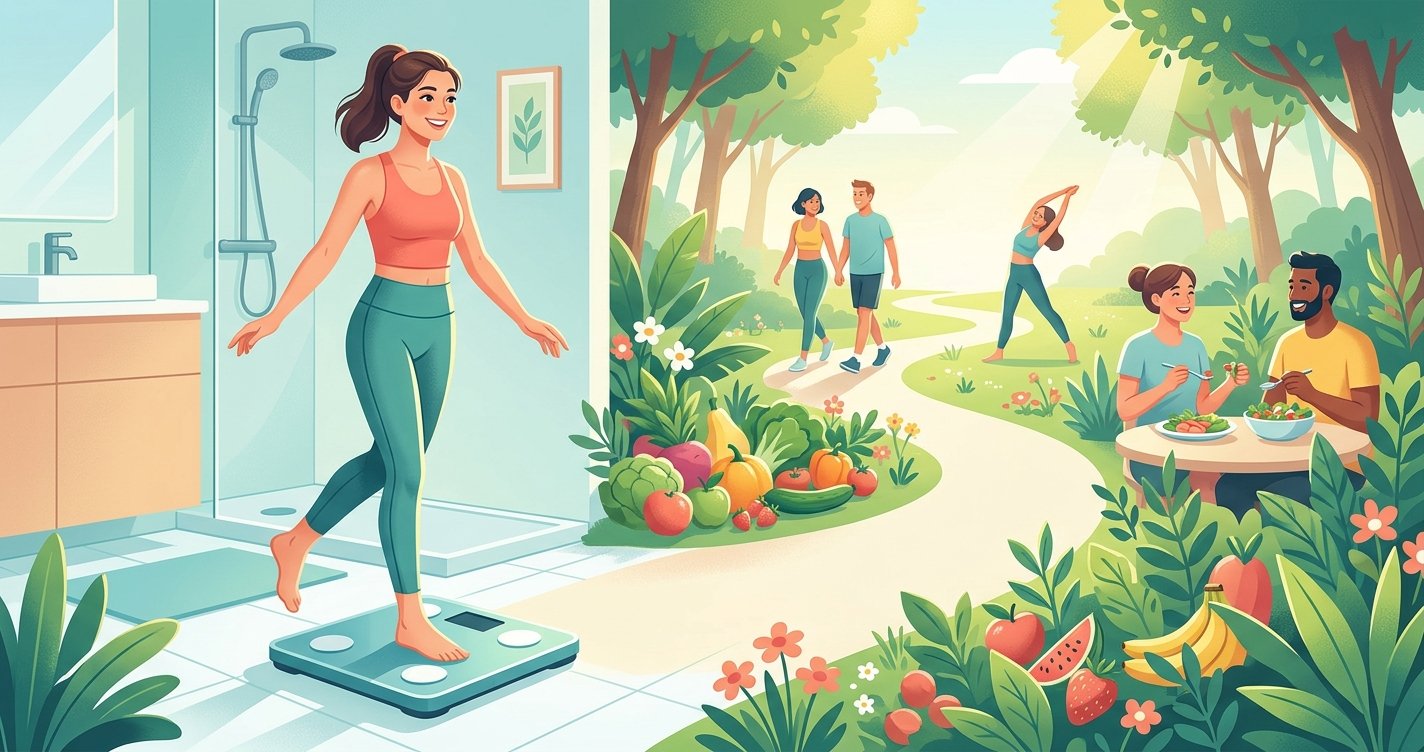
Are you tired of the endless cycle of restrictive diets, quick fixes, and the inevitable rebound weight gain? Many people embark on a fat loss journey with high hopes, only to find themselves frustrated and demotivated when the results don't last. The truth is, sustainable fat loss isn't about deprivation or rigid rules; it's about cultivating a holistic, non-diet approach that focuses on long-term well-being and consistent, healthy habits.
This isn't another fad diet promising overnight miracles. Instead, we'll explore an evidence-based, encouraging path to fat loss that prioritizes your physical and mental health. By shifting your focus from temporary fixes to sustainable lifestyle changes, you can achieve lasting results and build a healthier, happier relationship with your body. this excellent wellness product
Understanding Sustainable Fat Loss: Why Diets Often Fail
Traditional diets often set us up for failure. They typically involve severe calorie restriction, elimination of entire food groups, and a focus on willpower over sustainable behavior change. While they might deliver quick initial results, they rarely teach you how to maintain those results in the real world.
When you drastically cut calories, your body often enters a 'starvation mode,' slowing down your metabolism to conserve energy. This metabolic adaptation makes it harder to lose weight and easier to regain it once you return to normal eating patterns. Furthermore, the psychological toll of constant restriction can lead to feelings of deprivation, cravings, and eventually, overeating or bingeing – a phenomenon commonly known as the 'yo-yo effect.'
What Sustainable Fat Loss Really Means
- Focus on Health, Not Just Weight: True sustainable fat loss prioritizes overall health, energy levels, and well-being, with fat loss being a positive side effect.
- Gradual, Consistent Progress: It's about making small, manageable changes that you can stick with for life, leading to steady, lasting results rather than rapid, fleeting ones.
- Enjoying Food and Movement: Learning to nourish your body with nutrient-dense foods and engage in enjoyable physical activity without guilt or shame.
- Building Resilience: Developing the skills to navigate setbacks and maintain healthy habits even when life gets challenging.
The Power of Mindful Eating: Beyond Calorie Counting
One of the cornerstones of a non-diet approach is mindful eating. This isn't about counting every calorie or macronutrient, but rather about tuning into your body's internal signals of hunger, fullness, and satisfaction. It’s about being present with your food and understanding your relationship with eating.
Mindful eating helps you differentiate between physical hunger and emotional hunger, allowing you to respond appropriately. It encourages you to slow down, savor your meals, and truly enjoy the experience of eating, which can prevent overeating and promote better digestion.
Practical Tips for Mindful Eating
- Eat Slowly and Savor Each Bite: Put your fork down between bites, chew thoroughly, and pay attention to the textures, flavors, and smells of your food.
- Tune into Hunger and Fullness Cues: Before you eat, ask yourself how hungry you truly are. During your meal, check in to see if you're feeling satisfied, not stuffed.
- Identify Emotional Eating Triggers: Are you eating out of boredom, stress, sadness, or happiness? Recognizing these patterns is the first step to finding alternative coping mechanisms.
- Eliminate Distractions: Turn off the TV, put away your phone, and focus solely on your meal. This helps you register what you're eating and how much.
Fueling Your Body Right: Nutrition for Lasting Results
A non-diet approach to nutrition isn't about deprivation; it's about making smart, nourishing choices that support your body's needs and help you feel your best. The goal is to build a balanced eating pattern that you can maintain long-term, not a temporary meal plan.
Key Nutritional Principles for Sustainable Fat Loss
- Prioritize Whole, Unprocessed Foods: Focus on nutrient-dense foods like fruits, vegetables, lean proteins, whole grains, and healthy fats. These foods provide essential vitamins, minerals, and fiber, keeping you feeling full and energized.
- Adequate Protein Intake: Protein is crucial for satiety, muscle preservation, and a healthy metabolism. Include a source of lean protein at every meal (e.g., chicken, fish, beans, lentils, eggs, tofu).
- Healthy Fats: Don't fear fats! Healthy fats from sources like avocados, nuts, seeds, and olive oil are vital for hormone function, nutrient absorption, and long-lasting satisfaction.
- Fiber-Rich Foods: Fiber, found in fruits, vegetables, whole grains, and legumes, promotes digestive health, helps regulate blood sugar, and contributes to fullness.
Remember, flexibility and balance are key. There's no need for perfection. Aim for consistency and make room for occasional treats without guilt. It's about overall patterns, not individual meals.
Movement as Medicine: Exercise for Fat Loss and Well-being
Physical activity is a powerful tool for sustainable fat loss, but it's much more than just burning calories. Regular movement improves your mood, boosts your energy, strengthens your bones and muscles, and enhances your overall metabolic health. The key is finding activities you genuinely enjoy, making exercise a sustainable part of your life.
Smart Exercise Strategies for Sustainable Fat Loss
- Incorporate Strength Training: Building muscle is incredibly beneficial for fat loss. Muscle tissue is more metabolically active than fat, meaning it burns more calories at rest. Aim for 2-3 strength training sessions per week.
- Mix in Cardio: Activities like brisk walking, jogging, cycling, or swimming are excellent for cardiovascular health and contribute to calorie expenditure. Find what you enjoy and aim for at least 150 minutes of moderate-intensity cardio per week.
- Find Activities You Enjoy: Whether it's dancing, hiking, playing a sport, or gardening, choose activities that make you feel good. Enjoyment is the secret ingredient to long-term adherence.
- Increase Non-Exercise Activity Thermogenesis (NEAT): Look for ways to move more throughout your day outside of structured workouts. Take the stairs, park further away, walk during phone calls, or stand more often.
The Unsung Heroes: Sleep, Stress, and Hydration
While nutrition and exercise often steal the spotlight, factors like sleep, stress management, and hydration play a massive, often underestimated, role in sustainable fat loss. Neglecting these areas can sabotage even the most diligent efforts.
Optimize Your Lifestyle for Better Results
- Prioritize Quality Sleep: Aim for 7-9 hours of quality sleep per night. Lack of sleep disrupts hormones that regulate hunger (ghrelin) and satiety (leptin), making you feel hungrier and less satisfied. It also increases cortisol, a stress hormone linked to belly fat storage.
- Manage Stress Effectively: Chronic stress keeps cortisol levels elevated, which can promote fat storage, especially around the abdomen. Find healthy ways to manage stress, such as meditation, deep breathing, yoga, spending time in nature, or engaging in hobbies you love.
- Stay Adequately Hydrated: Drinking enough water is crucial for countless bodily functions, including metabolism. Sometimes, thirst can be mistaken for hunger, leading to unnecessary snacking. Aim for at least 8 glasses of water daily, more if you're active.
Building Sustainable Habits: Small Changes, Big Impact
Sustainable fat loss isn't about grand gestures; it's about consistently implementing small, manageable habits that accumulate over time. Instead of relying on fleeting willpower, focus on creating systems and routines that support your goals.
Actionable Steps for Habit Building
- Start Small: Don't try to change everything at once. Pick one or two new habits to focus on each week or month. For example, commit to drinking a glass of water before each meal, or taking a 15-minute walk daily.
- Stack Habits: Link a new habit to an existing one. If you always have coffee in the morning, try drinking a glass of water immediately before it.
- Track Your Progress (Beyond the Scale): Monitor your energy levels, mood, strength gains, clothes fit, and consistency with your new habits. The scale is just one metric.
- Plan Ahead: Meal prepping, packing gym clothes the night before, or scheduling your workouts can significantly increase your chances of success.
Embracing Patience and Self-Compassion
The journey to sustainable fat loss is not linear. There will be days when you feel motivated and days when you struggle. There will be plateaus and perhaps even minor setbacks. This is all part of the process, and it's perfectly normal. The key is to approach these moments with patience and self-compassion, rather than self-criticism or giving up entirely.
Avoid the all-or-nothing mindset. One unhealthy meal or missed workout doesn't derail your entire progress. Learn from setbacks, adjust your approach if needed, and gently guide yourself back on track. Treat yourself with the same kindness and understanding you would offer a friend.
Sustainable fat loss isn't a destination; it's a lifelong journey of learning, adapting, and prioritizing your health. By embracing a non-diet approach that focuses on mindful eating, nourishing your body with whole foods, engaging in enjoyable movement, optimizing sleep and stress, and building consistent habits, you can achieve lasting results without the frustration of restrictive diets.
You have the power to create lasting change. Start today, one small, positive step at a time. Focus on building a healthier, happier you, and the fat loss will naturally follow.