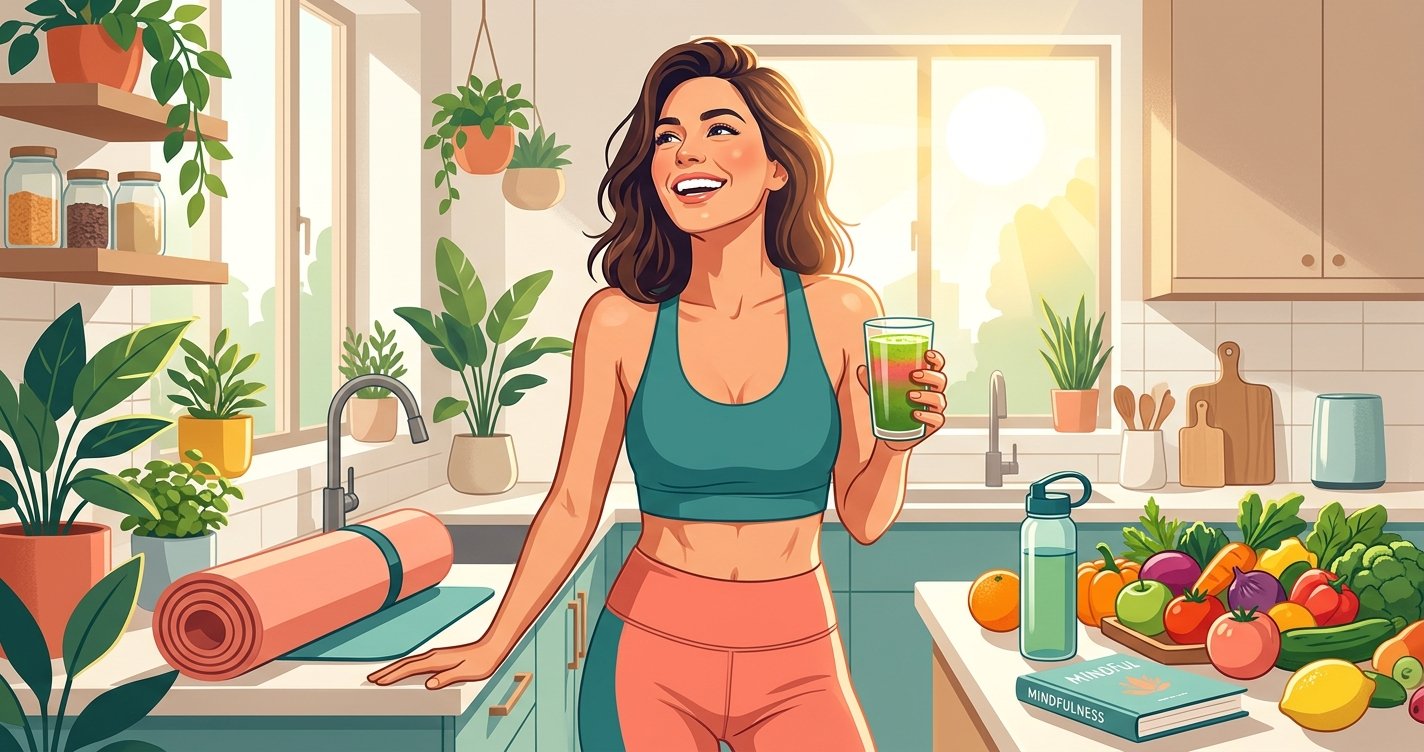
Are you tired of the endless cycle of restrictive diets, quick fixes, and the inevitable rebound? You're not alone. Millions of people embark on weight loss journeys only to find themselves frustrated, discouraged, and heavier than when they started. The good news? There's a different, more sustainable path to achieving your fat loss goals – one that doesn't involve deprivation, guilt, or constant calorie counting. Welcome to the world of a non-diet approach to fat loss, where the focus shifts from short-term fixes to long-term health, well-being, and a harmonious relationship with your body.
This isn't about giving up on your goals; it's about redefining success. We're going to explore evidence-based strategies that help you understand your body, fuel it intelligently, and move it joyfully, leading to genuine, lasting fat loss without the emotional rollercoaster of traditional dieting. Get ready to ditch the diet mentality and embrace a healthier, happier you! this excellent wellness product
Why Traditional Diets Often Fail (and What to Do Instead)
For decades, diet culture has told us that the key to fat loss is simple: eat less, move more. While caloric deficit is fundamental, the rigid, restrictive nature of most diets often sets us up for failure. Here's why:
The Yo-Yo Cycle: A Tale of Restriction and Rebound
When you drastically cut calories or eliminate entire food groups, your body perceives it as a famine. This triggers a cascade of hormonal and metabolic adaptations designed to conserve energy and store fat more efficiently once food becomes available again. Your metabolism slows down, hunger hormones (like ghrelin) surge, and satiety hormones (like leptin) diminish. This biological response makes it incredibly difficult to maintain severe restriction, often leading to intense cravings, overeating, and eventually, regaining the lost weight – and sometimes more. This frustrating 'yo-yo effect' not only harms your physical health but also erodes your self-esteem and trust in your body.
The "All or Nothing" Trap: Perfectionism's Pitfall
Many diets promote an 'all or nothing' mentality. One slip-up, one 'forbidden' food, and suddenly, the whole diet is deemed a failure. This black-and-white thinking can lead to guilt, shame, and a complete abandonment of healthy habits. A sustainable approach understands that life happens, and progress, not perfection, is the goal. It teaches resilience and flexibility, rather than rigid adherence.
Embracing a Non-Diet Approach to Fat Loss: Your New Blueprint
Instead of focusing on what you can't eat, a non-diet approach empowers you to build sustainable habits that naturally support fat loss and overall well-being. Here are the pillars:
Mindful Eating: Reconnecting with Your Body's Wisdom
Mindful eating is perhaps the most powerful tool in your non-diet toolkit. It’s about paying attention to your body's internal cues of hunger and fullness, savoring your food, and understanding why you're eating (is it hunger, boredom, stress?).
- Slow Down: Put your fork down between bites. Chew thoroughly.
- Engage Your Senses: Notice the colors, textures, smells, and tastes of your food.
- Listen to Hunger & Fullness: Ask yourself, 'Am I truly hungry?' before eating, and 'Am I satisfied, or am I stuffed?' during and after a meal. Stop when you're comfortably full, not painfully so.
- Eliminate Distractions: Turn off the TV, put away your phone. Focus solely on your meal.
This practice helps you eat less without feeling deprived, improves digestion, and fosters a healthier relationship with food.
Prioritizing Protein and Fiber: The Satiety Powerhouses
While calorie counting can be counterproductive, understanding macronutrients is incredibly helpful. Protein and fiber are your best friends for fat loss because they promote satiety, helping you feel fuller for longer and naturally reducing overall calorie intake.
- Protein: Found in lean meats, poultry, fish, eggs, dairy, legumes, and tofu. Protein has a high thermic effect (meaning your body burns more calories digesting it) and is crucial for maintaining muscle mass, which is metabolically active. Aim for a good source of protein at every meal.
- Fiber: Abundant in fruits, vegetables, whole grains, nuts, and seeds. Fiber adds bulk to your meals, aids digestion, stabilizes blood sugar, and keeps you feeling full. Gradually increase your fiber intake to avoid digestive discomfort.
Smart Hydration: Often Overlooked, Always Important
Water is essential for every bodily function, including metabolism. Sometimes, thirst can be mistaken for hunger, leading to unnecessary snacking. Staying well-hydrated can also help you feel fuller and more energized.
- Drink Water Regularly: Aim for 8 glasses (2 liters) a day, more if you're active.
- Start Your Day with Water: A glass of water upon waking can kickstart your metabolism.
- Drink Before Meals: A glass of water 20-30 minutes before eating can help with satiety.
Moving Your Body Joyfully: Beyond the Gym
Forget punishing workouts and forced gym sessions. The non-diet approach to movement is about finding physical activities you genuinely enjoy. When movement is fun, it becomes sustainable.
- Find Your Joy: Whether it's dancing, hiking, cycling, swimming, yoga, or playing with your kids/pets – choose activities that make you feel good.
- Incorporate NEAT: Non-Exercise Activity Thermogenesis (NEAT) refers to the calories you burn through daily activities that aren't formal exercise – taking the stairs, parking further away, standing more, fidgeting. Small increases in NEAT can make a big difference over time.
- Listen to Your Body: Rest when you need to. Push yourself when you feel strong. Avoid overtraining, which can lead to burnout and injury.
Consistent, enjoyable movement not only burns calories but also builds muscle, improves mood, reduces stress, and boosts overall health.
The Power of Sleep and Stress Management
These two often-neglected factors play a monumental role in fat loss. Chronic sleep deprivation and high stress levels can sabotage even the best eating and exercise efforts.
- Sleep: Lack of sleep disrupts hormones that regulate hunger (ghrelin increases, leptin decreases), making you hungrier and less satisfied. It also impacts insulin sensitivity and can lead to increased cravings for high-calorie foods. Aim for 7-9 hours of quality sleep per night.
- Stress: Chronic stress elevates cortisol, the 'stress hormone,' which can promote fat storage, especially around the abdomen. Find healthy ways to manage stress, such as meditation, deep breathing, spending time in nature, or engaging in hobbies.
Building Sustainable Habits for Lasting Change
The beauty of the non-diet approach is its emphasis on habit formation over temporary fixes. This journey isn't about perfection; it's about consistent, small steps that accumulate into profound, lasting changes.
Small Changes, Big Impact: Gradual Implementation
Don't try to overhaul everything at once. Pick one or two areas from above that resonate most with you and focus on integrating them into your life. For example, start with mindful eating for just one meal a day, or commit to a 15-minute walk daily. Once that feels natural, add another habit.
Consistency Over Perfection: It's a Journey, Not a Sprint
There will be days when you make choices that don't align perfectly with your goals. That's okay. The key is to acknowledge it without judgment and gently steer yourself back on track. One 'off' meal or day doesn't erase all your progress. What matters most is your overall pattern of behavior.
Self-Compassion and Patience: Be Kind to Yourself
This journey requires patience and self-compassion. Your body has been through a lot, especially if you've been on the diet rollercoaster. Trust the process, celebrate small victories, and treat yourself with the same kindness and understanding you would offer a friend.
Real-World Success Stories (A Glimpse of Hope)
Countless individuals have found freedom and sustainable results by adopting a non-diet approach. They report not only losing fat but also experiencing improved energy, better mood, reduced food anxiety, and a newfound sense of peace with their bodies. They learn to trust their internal wisdom, making food choices that nourish both body and soul, leading to natural, lasting fat loss without the constant struggle.
Conclusion: Your Path to Lasting Fat Loss and Well-being
Breaking free from diet culture is perhaps the most empowering step you can take on your fat loss journey. By embracing mindful eating, prioritizing nutrient-dense foods, moving your body joyfully, and nurturing your sleep and stress levels, you're not just losing weight; you're building a foundation for lifelong health and happiness. This isn't a quick fix, but it's a permanent one. It's about respecting your body, listening to its needs, and cultivating habits that support your best self, inside and out. Start today, one mindful choice at a time, and unlock the sustainable fat loss and vibrant life you deserve.