In the vast world of weight loss advice, it's easy to get lost in a sea of restrictive diets, quick fixes, and overwhelming rules. We've all been there: starting a new diet with high hopes, only to find ourselves burnt out, deprived, and eventually, back where we started – or even heavier. This frustrating cycle, often dubbed 'yo-yo dieting,' isn't just disheartening; it can actually make sustainable fat loss harder in the long run. But what if there was a different path? A path that doesn't involve counting every calorie, cutting out entire food groups, or feeling constantly hungry? Welcome to the world of non-restrictive eating, a powerful, evidence-based approach to achieving lasting fat loss and a healthier relationship with food.
This isn't about giving up on your fat loss goals. Quite the opposite. It's about shifting your mindset from temporary deprivation to permanent nourishment, enjoyment, and balance. By embracing non-restrictive principles, you can unlock a sustainable way to manage your weight, improve your overall health, and finally break free from the diet merry-go-round. Let's explore how. this excellent wellness product
The Problem with Restrictive Diets: Why They Often Fail
Before we dive into the solution, it's crucial to understand why traditional, highly restrictive diets so often fall short for long-term fat loss. While they might deliver rapid initial weight loss, this is frequently unsustainable and comes with a host of negative consequences.
The Yo-Yo Cycle Explained: More Than Just Weight Fluctuations
When you drastically cut calories or eliminate entire food groups, your body perceives this as a famine. It responds by slowing down your metabolism to conserve energy, increasing hunger hormones (like ghrelin), and decreasing satiety hormones (like leptin). This metabolic adaptation makes it incredibly difficult to maintain the weight loss once you inevitably ease up on the strict diet. The moment you reintroduce 'forbidden' foods, your body, still in 'famine mode,' is primed to store those calories as fat, often leading to regaining more weight than you lost initially.
The Psychological Toll of Deprivation
- Increased Cravings: When you tell yourself you can't have something, it often becomes all you can think about.
- Guilt and Shame: 'Falling off the wagon' leads to feelings of failure, which can trigger emotional eating.
- Obsessive Thoughts About Food: Food becomes an enemy, rather than a source of nourishment and pleasure.
- Social Isolation: Dieting can make social gatherings stressful, as you worry about 'allowed' foods.
- Disordered Eating Patterns: The constant cycle of restriction and bingeing can lead to unhealthy eating behaviors.
This cycle isn't a reflection of your willpower; it's a natural physiological and psychological response to deprivation.
Embracing Non-Restrictive Eating for Fat Loss
So, if restriction isn't the answer, what is? Non-restrictive eating isn't a diet; it's a framework for making informed, balanced food choices that support your body's needs and your fat loss goals, without the feeling of deprivation.
What Does "Non-Restrictive" Actually Mean?
It doesn't mean eating whatever you want, whenever you want, without consequence. Instead, it means:
- No "Good" or "Bad" Foods: All foods can fit into a healthy eating pattern in appropriate amounts.
- Listening to Your Body: Honoring hunger and fullness cues, rather than external rules.
- Prioritizing Nutrient Density: Focusing on whole, unprocessed foods that provide essential nutrients.
- Flexibility and Balance: Allowing for occasional treats and indulgences without guilt.
- Sustainable Habits: Building routines that you can maintain for life, not just for a few weeks.
The Power of Mindful Eating
At the heart of non-restrictive eating is mindfulness. Mindful eating involves paying full attention to your food – how it looks, smells, tastes, and feels – and recognizing your body's signals of hunger and satiety. This simple practice can revolutionize your relationship with food and your ability to manage your weight.
Tips for Mindful Eating:
- Eat Slowly: Put your fork down between bites.
- Chew Thoroughly: Savor each mouthful.
- Minimize Distractions: Turn off screens, put away your phone.
- Check In With Yourself: Before, during, and after eating, ask yourself: How hungry am I? Am I enjoying this? Am I satisfied?
- Notice Your Body's Signals: Recognize the difference between physical hunger and emotional hunger.
Building a Sustainable Plate: Focus on Nourishment
While non-restrictive eating champions flexibility, it doesn't ignore the importance of nutrient-dense foods for fat loss and overall health. It's about making conscious choices that fuel your body efficiently.
Prioritizing Whole, Unprocessed Foods
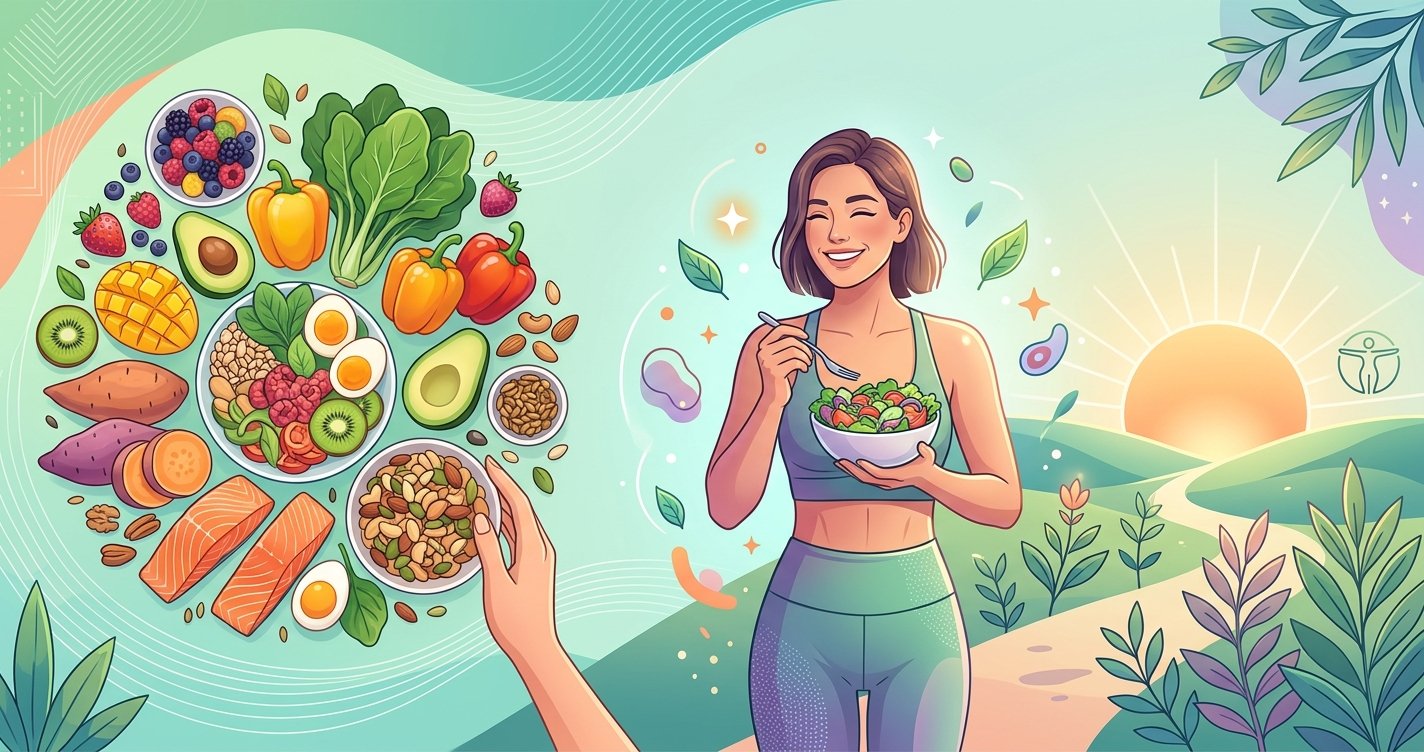
The foundation of a sustainable eating pattern should be whole, unprocessed foods. These are naturally rich in vitamins, minerals, fiber, and lean protein, which keep you feeling full and satisfied, support metabolism, and provide sustained energy.
- Lean Proteins: Chicken, fish, beans, lentils, tofu, eggs, lean beef. These are crucial for satiety and muscle preservation.
- Fiber-Rich Carbohydrates: Whole grains (oats, quinoa, brown rice), fruits, and vegetables. Fiber aids digestion, stabilizes blood sugar, and promotes fullness.
- Healthy Fats: Avocados, nuts, seeds, olive oil. Essential for hormone production, nutrient absorption, and satiety.
By filling your plate with these foods first, you naturally crowd out less nutritious options without feeling deprived.
Understanding Portion Sizes, Not Just Calories
Instead of obsessively counting calories, focus on appropriate portion sizes. Your body's signals of fullness are your best guide. However, it can be helpful to have a general idea of what a balanced portion looks like, especially for energy-dense foods.
- Proteins: A palm-sized serving.
- Carbohydrates (grains/starches): A cupped-hand serving.
- Fats: A thumb-sized serving.
- Vegetables: As much as you want! Fill half your plate with non-starchy veggies.
These are guidelines, not rigid rules. Adjust based on your hunger, activity level, and personal needs.
The Role of Enjoyment and Flexibility
True sustainability in fat loss comes from an eating pattern you genuinely enjoy and can stick with for life. This means embracing flexibility.
"All Foods Fit" Mentality
No food needs to be completely off-limits. Depriving yourself of your favorite treat often leads to intense cravings and eventual overeating. Instead, practice moderation and mindful indulgence. If you want a slice of cake, enjoy it! Savor every bite, and then move on. This approach removes the psychological power that 'forbidden' foods often hold.
Navigating Social Situations and Cravings
Life happens. There will be birthday parties, dinners out, and moments when you just want a cookie. Non-restrictive eating teaches you to navigate these situations gracefully:
- Plan Ahead: If you know you're going to a restaurant, check the menu beforehand.
- Practice the 80/20 Rule: Aim for nutrient-dense choices 80% of the time, allowing 20% for more indulgent options.
- Listen to Your Body: Are you truly hungry, or is it an emotional craving? If it's a craving, can you satisfy it with a smaller, more mindful portion?
- Don't Let One Meal Derail You: One 'off-plan' meal doesn't ruin your progress. Get back on track with your next meal, without guilt.
Beyond the Plate: Lifestyle Factors for Lasting Fat Loss
Sustainable fat loss isn't just about what you eat; it's about your entire lifestyle. These often-overlooked factors play a crucial role in supporting your body's ability to burn fat and maintain a healthy weight.
Sleep: Your Underrated Fat Loss Ally
Lack of sleep disrupts hormones that regulate hunger (ghrelin increases, leptin decreases), making you hungrier and more prone to cravings for high-calorie foods. Aim for 7-9 hours of quality sleep per night to optimize your body's fat-burning potential and decision-making abilities around food.
Stress Management for Hormonal Balance
Chronic stress elevates cortisol levels, a hormone that can promote fat storage, particularly around the abdomen. Finding healthy ways to manage stress – whether through meditation, yoga, spending time in nature, or hobbies – is vital for both mental well-being and fat loss.
Smart Movement, Not Just Hard Exercise
You don't need to spend hours in the gym every day. Focus on consistent, enjoyable movement. This could be daily walks, strength training a few times a week, cycling, dancing, or hiking. Exercise builds muscle, boosts metabolism, improves mood, and supports overall health, all of which contribute to sustainable fat loss.
Conclusion: Your Journey to Lasting Fat Loss
Embracing non-restrictive eating for fat loss is a journey, not a destination. It requires patience, self-compassion, and a willingness to unlearn old dieting habits. It's about trusting your body, nourishing it with respect, and finding joy in food without fear or guilt.
Patience and Consistency are Key
Sustainable fat loss happens gradually. Focus on building consistent habits rather than seeking quick fixes. Celebrate small victories and recognize that progress isn't always linear.
Celebrate Small Victories
Did you choose to eat mindfully at a meal? Did you listen to your body's fullness cues and stop when satisfied? Did you choose a piece of fruit over a processed snack because it sounded more appealing? These are all wins! Acknowledge them and build on them.
By shifting your focus from restriction to nourishment, from deprivation to enjoyment, and from short-term fixes to long-term habits, you can achieve sustainable fat loss that not only transforms your body but also profoundly improves your relationship with food and yourself. It's time to ditch the diet mentality and embrace a life of balanced, joyful eating.