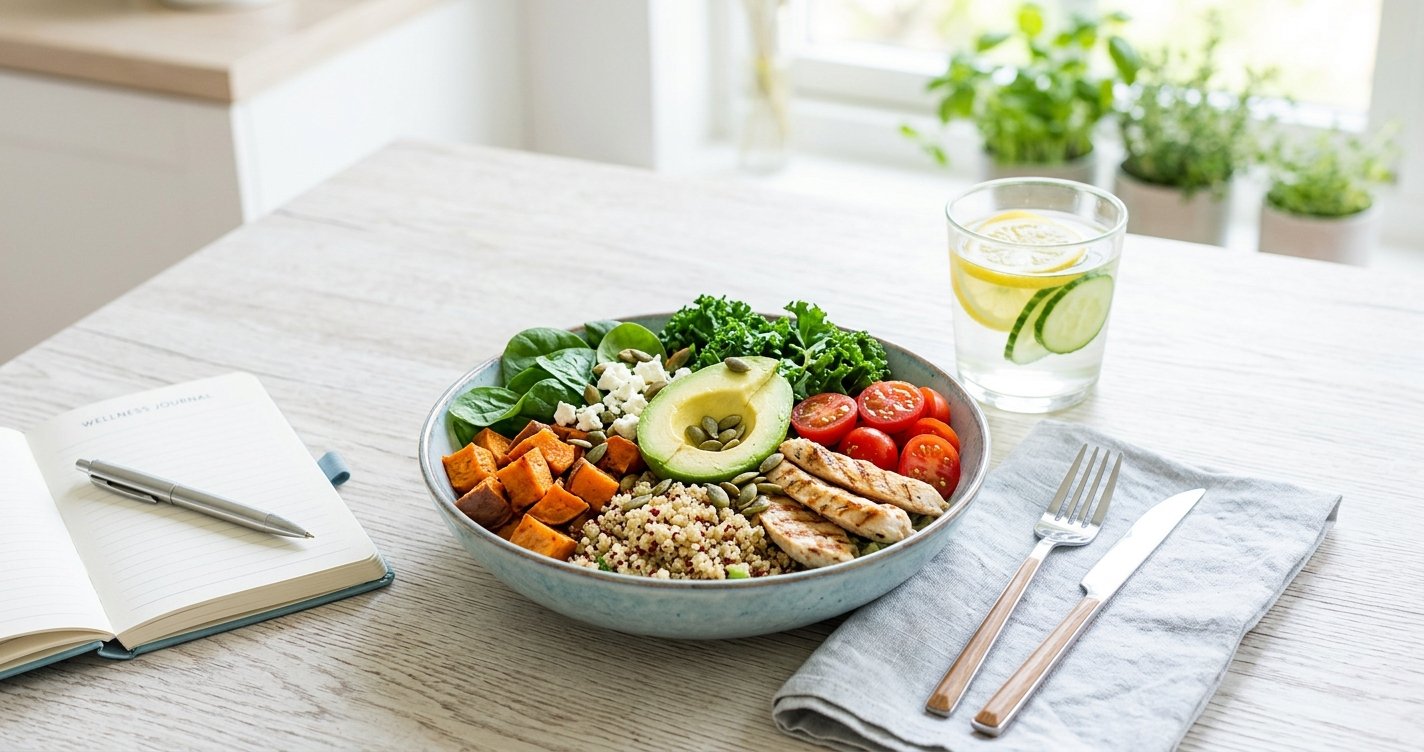
Are you tired of diet fads that promise quick fixes but deliver only frustration? Do you feel overwhelmed by conflicting information about what to eat to lose weight? You’re not alone! The journey to sustainable fat loss doesn't have to be a confusing, restrictive battle. In fact, it can be an empowering path to better health, more energy, and a body you feel great in. The secret? Mastering the fundamentals of nutrition, focusing on a sustainable calorie deficit, and understanding the power of macronutrients.
This isn't about deprivation; it's about smart choices, consistency, and building habits that last a lifetime. Forget the extreme cleanses and magic pills. We're diving into evidence-based strategies that will equip you with the knowledge to fuel your body effectively, achieve your fat loss goals, and maintain your results without feeling deprived or constantly battling hunger. Let’s unlock the power of sustainable nutrition together! this excellent wellness product
Understanding the Calorie Deficit: The Golden Rule of Fat Loss
At the heart of every successful fat loss journey lies one undeniable truth: you must consume fewer calories than your body burns. This is known as a calorie deficit, and it's the fundamental principle of energy balance. No matter what diet you follow – keto, low-carb, vegan – if you're not in a calorie deficit, you won't lose fat. It's simple physics, but the art lies in doing it sustainably.
How to Calculate Your Calorie Needs
To create a deficit, you first need to know your baseline. Your Total Daily Energy Expenditure (TDEE) is an estimate of the total calories your body burns in a day, considering your Basal Metabolic Rate (BMR) and your activity level. Online TDEE calculators are a great starting point, asking for your age, gender, height, weight, and activity level. Remember, these are estimates, and your body will provide the real-time feedback you need to adjust.
The Art of a Sustainable Deficit
While a deficit is crucial, a severe one can be counterproductive, leading to muscle loss, nutrient deficiencies, and metabolic slowdown. A sustainable deficit typically ranges from 300 to 500 calories below your TDEE. This generally allows for a healthy fat loss of 1-2 pounds per week, which is realistic and much easier to maintain. This gradual approach minimizes hunger, preserves muscle, and fosters long-term adherence.
The Power of Protein: Your Fat Loss Ally
When it comes to fat loss, protein isn't just important; it's your most valuable macronutrient. Often referred to as the building block of life, protein plays several critical roles that make your fat loss journey smoother and more effective.
Why Protein is King for Fat Loss
- Satiety: Protein keeps you feeling fuller for longer compared to carbohydrates or fats. This means fewer cravings and less likelihood of overeating.
- Thermic Effect of Food (TEF): Your body burns calories digesting food. Protein has the highest TEF, meaning a significant portion of its calories are used just in the digestion process.
- Muscle Preservation: During a calorie deficit, your body can lose both fat and muscle. Adequate protein intake is vital for preserving lean muscle mass, which is crucial for maintaining a healthy metabolism.
Practical Protein Sources
Aim for at least 0.7 to 1 gram of protein per pound of your target body weight. Incorporate a variety of lean protein sources into every meal. Excellent options include:
- Lean meats (chicken breast, turkey, lean beef)
- Fish and seafood (salmon, cod, tuna, shrimp)
- Eggs
- Dairy products (Greek yogurt, cottage cheese, milk)
- Legumes (lentils, beans, chickpeas)
- Tofu and tempeh
- Protein powder (whey, casein, plant-based)
Carbohydrates and Fats: Friends, Not Foes
In the world of dieting, carbohydrates and fats have often been unfairly demonized. The truth is, both are essential for your body's optimal functioning, energy, and overall health. The key lies in choosing the right types and consuming them in appropriate quantities within your calorie deficit.
Smart Carbohydrate Choices
Carbohydrates are your body's primary energy source. Instead of eliminating them, focus on complex carbohydrates rich in fiber. These include:
- Whole grains (oats, brown rice, quinoa, whole-wheat bread)
- Fruits (berries, apples, bananas)
- Vegetables (broccoli, spinach, sweet potatoes)
These choices provide sustained energy, aid digestion, and contribute to satiety. Limit refined carbs like white bread, sugary cereals, and pastries, which offer little nutritional value and can lead to blood sugar spikes and crashes.
Healthy Fats: Essential for Hormones and Satiety
Fats are crucial for hormone production, nutrient absorption, and providing a concentrated source of energy. They also contribute significantly to satiety. Focus on healthy unsaturated fats:
- Avocados
- Nuts and seeds (almonds, walnuts, chia seeds, flaxseeds)
- Olive oil and other healthy cooking oils
- Fatty fish (salmon, mackerel)
While healthy, fats are calorie-dense, so portion control is important to stay within your calorie target.
Beyond Macronutrients: Fiber, Hydration, and Micronutrients
While macros get a lot of attention, don't overlook the supporting cast that plays a vital role in your fat loss success and overall health:
- Fiber: Found in fruits, vegetables, and whole grains, fiber aids digestion, helps regulate blood sugar, and significantly boosts satiety.
- Hydration: Drinking plenty of water is often underestimated. It supports metabolism, helps you feel full, and can prevent mistaking thirst for hunger. Aim for at least 8 glasses a day, more if you're active.
- Micronutrients: Vitamins and minerals are essential for countless bodily functions, including energy production and metabolism. A diverse diet rich in colorful fruits and vegetables ensures you're getting a broad spectrum of these vital nutrients.
Practical Strategies for Long-Term Success
Knowledge is power, but application is what drives results. Implementing practical strategies into your daily routine will make sustainable fat loss not just possible, but enjoyable.
Meal Planning and Preparation
One of the most effective tools for consistent healthy eating is meal planning and preparation. Dedicate some time each week to plan your meals and snacks, and then prep them in advance. This ensures you always have nutritious options readily available, reducing the temptation for unhealthy impulse choices when hunger strikes. Batch cooking proteins, chopping vegetables, and portioning meals can be a game-changer.
Mindful Eating and Hunger Cues
Beyond what you eat, how you eat matters. Practice mindful eating by slowing down, savoring each bite, and paying attention to your body's hunger and fullness cues. Eat until you're satisfied, not stuffed. Avoid distractions like screens during meals. This practice helps you build a healthier relationship with food and prevents mindless overeating.
Tracking Your Progress (Without Obsessing)
The scale is just one metric. Track your progress using multiple indicators: how your clothes fit, body measurements, progress photos, energy levels, and strength gains in the gym. This holistic approach provides a more complete picture of your body composition changes and celebrates non-scale victories, keeping you motivated even when the scale fluctuates.
Busting Common Nutrition Myths
The fat loss landscape is riddled with myths that can derail your efforts. Let's clear up some common misconceptions:
- “Carbs make you fat.” No, excess calories make you fat. Carbohydrates are essential for energy. The type and quantity matter.
- “Fat makes you fat.” Again, it's about total calories. Healthy fats are vital for health, but they are calorie-dense, so portion control is key.
- “You need to eat every 2-3 hours to boost your metabolism.” While frequent meals can help some manage hunger, meal frequency has negligible impact on overall metabolism. Total daily calorie and macronutrient intake are what truly matter.
- “Detox teas or juice cleanses work.” Your liver and kidneys are incredibly efficient at detoxifying your body. These products are often ineffective and can be harmful; focus on nutrient-dense whole foods instead.
Embarking on a fat loss journey can be incredibly rewarding, leading to improved health, confidence, and vitality. Remember, there are no shortcuts to lasting success. It's about consistency, patience, and making informed choices that align with your body's needs and your long-term well-being. By focusing on a sustainable calorie deficit, prioritizing protein, making smart carbohydrate and fat choices, and adopting mindful eating habits, you're not just losing fat – you're building a healthier, stronger, and more vibrant you.
Start small, celebrate every victory, and be kind to yourself along the way. Your journey to sustainable fat loss is a marathon, not a sprint. You've got this!