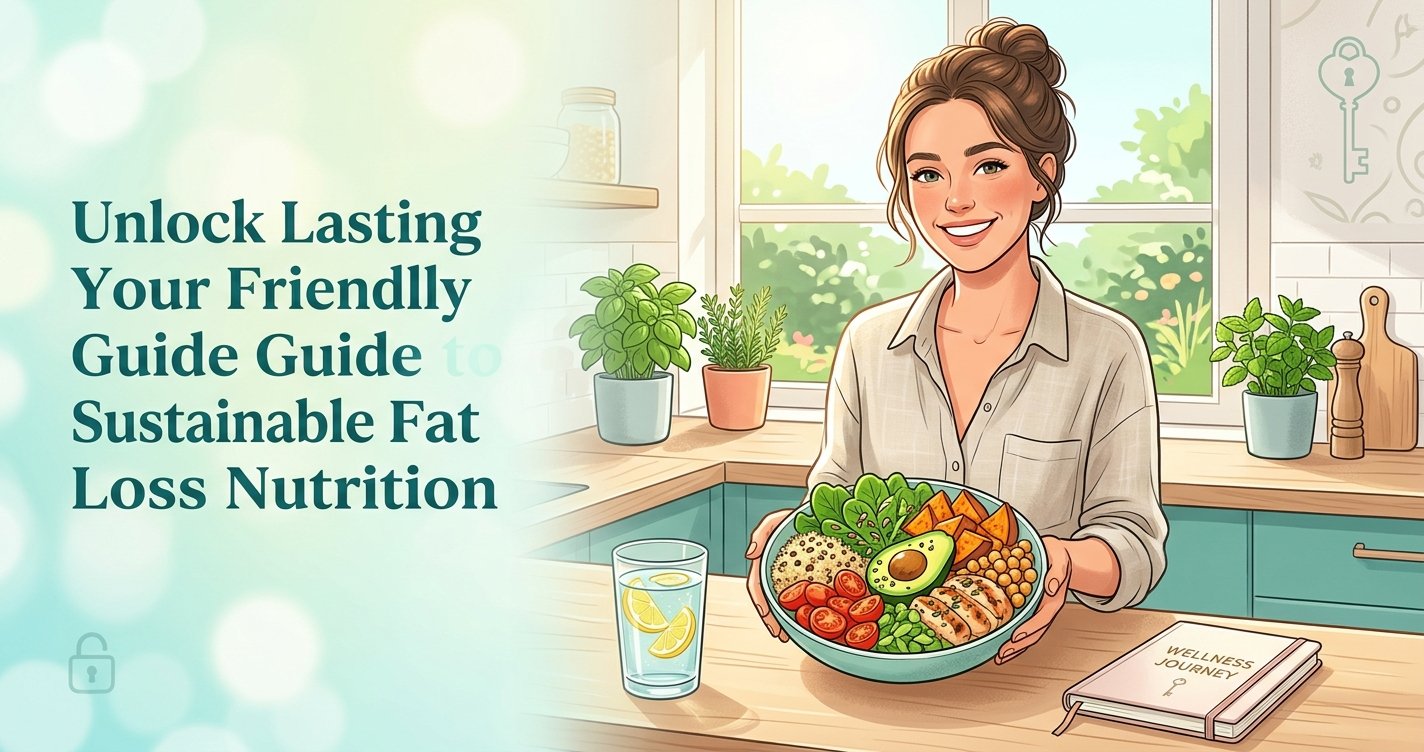
Unlock Lasting Results: Your Friendly Guide to Sustainable Fat Loss Nutrition
Are you tired of the endless cycle of restrictive diets, quick fixes, and the inevitable rebound? You're not alone. In a world saturated with promises of rapid weight loss, it's easy to get caught up in fads that ultimately leave you frustrated and further from your goals. But what if there was a better way? A way that focuses on long-term health, enjoyment, and results that actually stick?
Welcome to your friendly, evidence-based guide to sustainable fat loss nutrition. We're here to cut through the noise, empower you with practical knowledge, and help you build habits that support not just fat loss, but a healthier, happier you for life. No extreme restrictions, no magic pills – just smart choices, consistency, and a deep understanding of how your body truly works. Let's dive in! this excellent wellness product
Understanding the Foundation: The Calorie Deficit (and Why It's Not a Dirty Word)
At the heart of all fat loss lies a fundamental principle: the calorie deficit. Simply put, you need to consume fewer calories than your body burns over time. Think of your body as a car; if you put less fuel in than it uses, it starts tapping into its reserves – in this case, stored body fat.
Now, before you groan and think of deprivation, hear us out. A calorie deficit doesn't mean starvation. It means being mindful of your energy intake. Science consistently shows that while various diets (keto, low-carb, low-fat) can create a deficit, the deficit itself is the primary driver of fat loss. The key isn't *if* you create one, but *how* you create one sustainably.
Focusing on a modest deficit (e.g., 300-500 calories below maintenance) allows for steady, healthy fat loss without sacrificing energy levels or feeling constantly hungry. This approach is far more sustainable than drastic cuts, which often lead to muscle loss, nutrient deficiencies, and eventual burnout.
The Power of Protein: Your Satiety & Muscle Ally
If there's one macronutrient to prioritize for sustainable fat loss, it's protein. Here's why protein is your best friend:
- Satiety Superstar: Protein is incredibly filling. Studies show that a higher protein intake helps you feel fuller for longer, reducing overall calorie consumption naturally.
- Muscle Preservation: When you're in a calorie deficit, your body can sometimes break down muscle tissue for energy. Adequate protein intake helps protect your hard-earned muscle, ensuring that the weight you lose is primarily fat.
- Thermic Effect of Food (TEF): Protein requires more energy to digest and metabolize than carbs or fats. This means you burn slightly more calories just by eating it!
Practical Tips: Aim for at least 0.7-1 gram of protein per pound of your target body weight. Include a lean protein source at every meal: chicken breast, fish, lean beef, eggs, Greek yogurt, cottage cheese, tofu, lentils, or protein powder.
Smart Carbs & Healthy Fats: Fueling Your Body Right
Carbohydrates and fats often get a bad rap, but they are essential for your health, energy, and overall well-being. The key is choosing the right types and managing portions.
Embrace Smart Carbs: Fuel for Energy and Fiber
Carbohydrates are your body's preferred energy source. Instead of cutting them out, focus on whole, unprocessed sources rich in fiber. Fiber not only aids digestion but also promotes satiety and helps regulate blood sugar levels, preventing energy crashes and cravings.
- Good Choices: Whole grains (oats, quinoa, brown rice, whole wheat bread), fruits, vegetables, legumes (beans, lentils).
- Limit: Refined sugars, white bread, pastries, sugary drinks, and highly processed snacks.
Don't Fear Healthy Fats: Essential for Hormones and Absorption
Fats are vital for hormone production, nutrient absorption (especially fat-soluble vitamins A, D, E, K), and overall cellular function. Healthy fats also contribute to satiety, making your meals more satisfying.
- Good Choices: Avocados, nuts, seeds, olive oil, fatty fish (salmon, mackerel).
- Limit: Trans fats (found in many processed foods) and excessive saturated fats.
Practical Tips: Prioritize fiber-rich carbs and healthy fats. Remember that fats are calorie-dense, so portion control is crucial. A thumb-sized portion of nuts or a drizzle of olive oil can go a long way.
The Art of Meal Planning & Preparation: Your Secret Weapon
Consistency is the bedrock of sustainable fat loss, and meal planning is your most powerful tool for consistency. Failing to plan is planning to fail, especially when hunger strikes and convenient (often unhealthy) options are everywhere.
Why it works:
- Saves Time & Money: Fewer trips to the grocery store, less food waste, and avoiding expensive impulse purchases.
- Reduces Decision Fatigue: No more last-minute stress about what to eat, leading to better choices.
- Portion Control: You can accurately measure and track your intake when you prepare your own meals.
- Nutrient Control: You know exactly what's going into your body.
Practical Tips:
- Plan Your Week: Dedicate 15-30 minutes each week to plan your meals and snacks.
- Grocery List: Create a detailed shopping list based on your plan and stick to it.
- Batch Cook: Prepare larger quantities of staples like cooked protein (chicken, lentils), whole grains, and roasted vegetables.
- Healthy Snacks Ready: Keep fruits, nuts, Greek yogurt, or pre-cut veggies on hand.
Beyond the Plate: Mindful Eating & Lifestyle Factors
Sustainable fat loss isn't just about what you eat; it's also about how you eat and your overall lifestyle. These often-overlooked factors play a huge role in your success.
- Mindful Eating: Pay attention to your body's hunger and fullness cues. Eat slowly, savor your food, and minimize distractions (like screens). This helps you recognize when you're truly satisfied, preventing overeating.
- Hydration: Drink plenty of water throughout the day. Sometimes, thirst can be mistaken for hunger. Water also supports metabolism and overall bodily functions.
- Quality Sleep: Lack of sleep can disrupt hunger-regulating hormones (ghrelin and leptin), leading to increased appetite and cravings for unhealthy foods. Aim for 7-9 hours of quality sleep per night.
- Stress Management: Chronic stress can elevate cortisol levels, which can promote fat storage, especially around the belly. Find healthy ways to manage stress, such as exercise, meditation, hobbies, or spending time in nature.
- Consistency, Not Perfection: It's okay to have off days or enjoy occasional treats. The goal is consistent effort over time, not flawless execution every single day. The 80/20 rule (eating healthily 80% of the time) is a great guideline.
Dispelling Myths & Embracing Flexibility
The fat loss industry is rife with misinformation. Let's debunk a few common myths:
- Myth: Carbs make you fat. Reality: Excess calories make you fat. Whole, unprocessed carbs are crucial for energy and health.
- Myth: Certain foods are "bad" and must be avoided. Reality: There are no inherently "bad" foods, only foods that are more or less nutrient-dense. All foods can fit into a balanced diet in moderation.
- Myth: Detoxes or cleanses are necessary. Reality: Your liver and kidneys are incredibly efficient at detoxifying your body. These products are often ineffective and can be harmful.
Embracing flexibility means understanding that life happens. A missed workout or an indulgent meal doesn't derail your entire journey. It's about getting back on track with your next meal or workout, without guilt or self-punishment. This mindset fosters a healthy relationship with food and your body, which is crucial for long-term success.
Your Sustainable Journey Starts Now!
Sustainable fat loss isn't about quick fixes; it's about building a foundation of healthy habits that you can maintain for a lifetime. By focusing on a moderate calorie deficit, prioritizing protein, choosing smart carbs and healthy fats, mastering meal prep, and paying attention to lifestyle factors like sleep and stress, you're setting yourself up for success.
Remember, this is a journey, not a race. Be patient with yourself, celebrate small victories, and focus on progress, not perfection. You have the power to transform your health and achieve lasting results. Start implementing these strategies today, and watch as you build a stronger, healthier, and happier you!