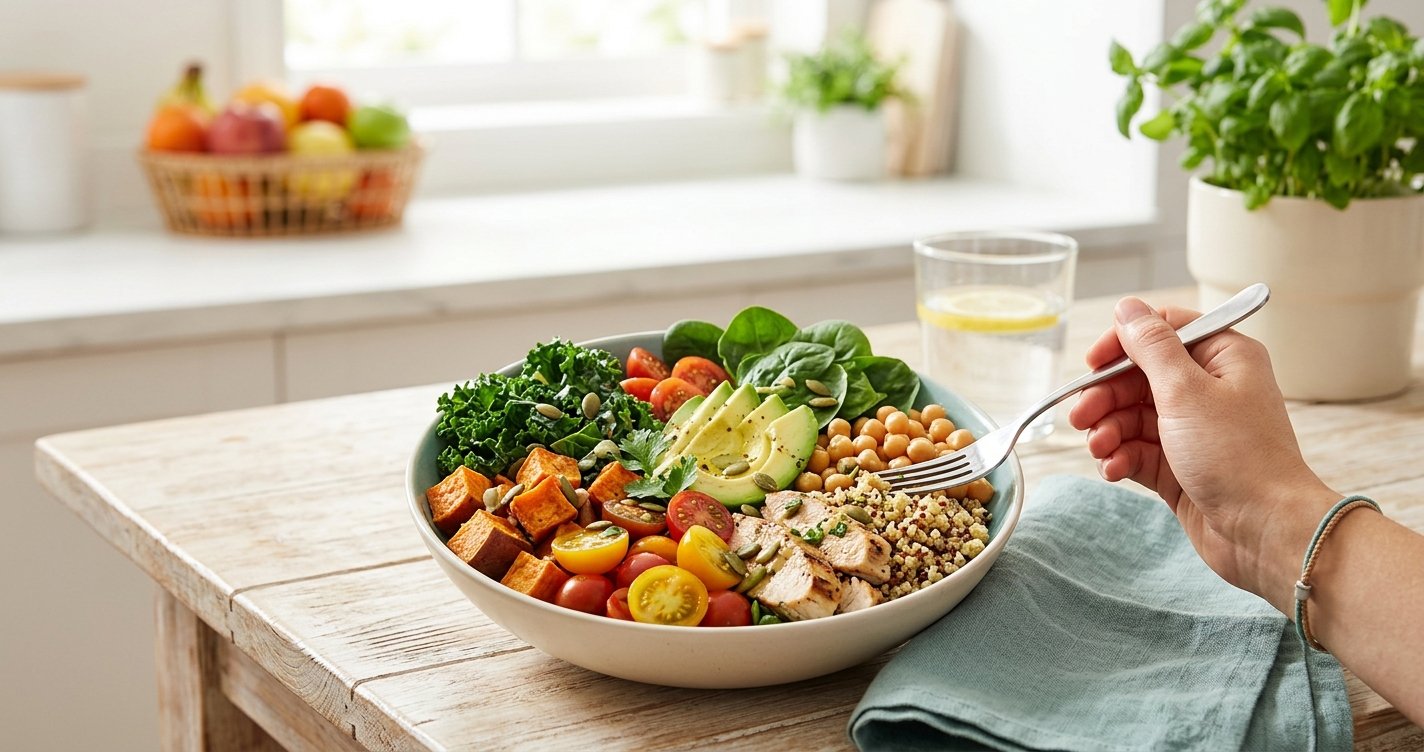
Beyond the Scale: Your Friendly Guide to Sustainable Fat Loss Nutrition
Are you tired of the endless cycle of restrictive diets, quick fixes, and the frustration of seeing the scale bounce back up? You’re not alone. Many people embark on a fat loss journey with the best intentions, only to find themselves burnt out, hungry, and no closer to their long-term goals. The truth is, sustainable fat loss isn't about deprivation; it's about smart, evidence-based nutrition that nourishes your body, satisfies your cravings, and fits seamlessly into your life.
This isn't another crash diet manifesto. Instead, we're going to dive deep into the world of sustainable fat loss nutrition, focusing on practical, friendly, and science-backed strategies that go far beyond just counting calories. Get ready to build habits that truly last and achieve the fat loss you've been searching for, without sacrificing your well-being or your favorite foods entirely. this excellent wellness product
Why "Sustainable" is the Secret Ingredient for Fat Loss
The diet industry often sells the allure of rapid weight loss, promising dramatic results in a short period. While these approaches might yield initial drops on the scale, they are rarely sustainable. Extreme calorie restriction, eliminating entire food groups, or relying solely on supplements often leads to:
- Nutrient Deficiencies: Restrictive diets can strip your body of essential vitamins and minerals.
- Muscle Loss: Rapid weight loss often includes losing valuable muscle mass, which is crucial for metabolism.
- Increased Cravings: Deprivation often backfires, leading to intense cravings and eventual binge eating.
- Metabolic Slowdown: Your body adapts to extreme calorie deficits by slowing down its metabolism, making future fat loss harder.
- Mental Fatigue & Poor Relationship with Food: The constant stress of restriction can lead to anxiety, guilt, and a disordered relationship with eating.
Sustainable fat loss, on the other hand, focuses on creating healthy habits that you can maintain indefinitely. It's about making incremental changes, understanding your body, and enjoying food without guilt. This approach not only leads to lasting results but also improves your overall health, energy levels, and mental well-being.
The Foundational Pillars of Fat Loss Nutrition
While a calorie deficit is fundamental for fat loss, how you achieve that deficit makes all the difference. Focusing on nutrient-dense foods helps you feel fuller, provides essential building blocks, and supports optimal bodily function. Let's explore the key nutritional pillars:
1. Protein Power: Your Fat Loss Ally
If there's one macronutrient that deserves star billing in your fat loss journey, it's protein. Protein is not just for bodybuilders; it's essential for everyone, especially those looking to shed fat. Here's why:
- Satiety: Protein is incredibly filling. Including adequate protein in your meals helps you feel satisfied for longer, reducing the likelihood of overeating and snacking between meals.
- Muscle Preservation: When you're in a calorie deficit, your body can sometimes break down muscle tissue for energy. A higher protein intake helps to preserve this metabolically active muscle, which is crucial for maintaining a healthy metabolism.
- Thermic Effect of Food (TEF): Protein has a higher TEF than carbohydrates or fats. This means your body expends more energy (calories) to digest, absorb, and metabolize protein, giving you a slight metabolic boost.
Aim for roughly 1.6 to 2.2 grams of protein per kilogram of body weight daily, distributed across your meals. Good sources include:
- Lean meats (chicken breast, turkey, lean beef)
- Fish and seafood (salmon, cod, shrimp)
- Eggs
- Dairy (Greek yogurt, cottage cheese)
- Legumes (lentils, beans, chickpeas)
- Tofu and tempeh
- Protein powder (whey, casein, plant-based)
2. Fiber-Rich Foods: The Unsung Heroes
Often overlooked, dietary fiber plays a vital role in sustainable fat loss. Fiber is a type of carbohydrate that your body can't digest, and it comes with a host of benefits:
- Increased Satiety: Fiber adds bulk to your meals, helping you feel full and satisfied without adding significant calories. Soluble fiber, in particular, forms a gel-like substance in your gut, slowing digestion.
- Blood Sugar Control: Fiber helps to slow down the absorption of sugar into your bloodstream, preventing spikes and crashes that can lead to cravings and energy dips.
- Gut Health: A healthy gut microbiome is increasingly linked to overall health and metabolism. Fiber acts as a prebiotic, feeding beneficial gut bacteria.
Boost your fiber intake with:
- Whole grains (oats, brown rice, quinoa, whole-wheat bread)
- Fruits (berries, apples, pears with skin)
- Vegetables (broccoli, spinach, Brussels sprouts, carrots)
- Legumes (beans, lentils)
- Nuts and seeds (chia seeds, flaxseeds, almonds)
3. Smart Carbohydrates: Fueling Your Progress
Carbohydrates have often been demonized in the world of fat loss, but they are your body's preferred source of energy. The key is choosing the right kind of carbohydrates and managing your portions.
- Complex Carbs: These are your friends. Found in whole grains, vegetables, and legumes, complex carbohydrates provide sustained energy, essential nutrients, and fiber. They help stabilize blood sugar and keep you feeling full.
- Simple Carbs: Found in sugary drinks, candies, and highly processed snacks, these provide quick energy but often lead to blood sugar spikes and subsequent crashes, leaving you hungry shortly after. They also tend to be nutrient-poor.
Focus on incorporating complex carbs around your activity levels. Enjoy whole grains, starchy vegetables like sweet potatoes, and plenty of non-starchy vegetables throughout the day.
4. Healthy Fats: Don't Fear the Good Stuff
Just like carbohydrates, fats have received a bad rap, but healthy fats are absolutely essential for your body's proper functioning and can even aid in fat loss.
- Satiety: Fats are calorie-dense, but they also contribute significantly to satiety, helping to keep hunger at bay.
- Hormone Production: Healthy fats are crucial for the production of hormones, including those involved in metabolism and appetite regulation.
- Nutrient Absorption: Many vitamins (A, D, E, K) are fat-soluble, meaning your body needs fat to absorb them properly.
Prioritize monounsaturated and polyunsaturated fats:
- Avocado
- Nuts (almonds, walnuts, pecans)
- Seeds (chia, flax, pumpkin)
- Olive oil, avocado oil
- Fatty fish (salmon, mackerel, sardines)
Remember, while healthy, fats are calorie-dense, so mindful portion sizes are important.
Beyond Macros: Practical Strategies for Lasting Change
Understanding macronutrients is a great start, but how do you translate that into everyday habits? Here are some practical strategies to make your fat loss journey enjoyable and sustainable.
Portion Control & Mindful Eating
You don't need to meticulously weigh every gram of food to succeed. Learning to estimate portions and practice mindful eating can be incredibly powerful.
- The Hand Method: Use your hand as a simple guide (e.g., a palm-sized portion of protein, a cupped hand of carbs, a thumb-sized portion of fat).
- Slow Down: Eat slowly, chew thoroughly, and savor your food. It takes about 20 minutes for your stomach to signal fullness to your brain.
- Listen to Your Body: Eat when you're hungry, stop when you're satisfied, not stuffed. Distinguish between physical hunger and emotional eating.
- Eliminate Distractions: Avoid eating in front of the TV, computer, or phone. Focus on your meal.
Hydration: Simple Yet Powerful
Water is often overlooked, but it's a critical component of overall health and fat loss.
- Boosts Metabolism: Water is involved in almost every metabolic process in your body.
- Enhances Satiety: Sometimes, thirst can be mistaken for hunger. Drinking a glass of water before meals can help reduce overall food intake.
- Reduces Sugary Drink Intake: Swapping sugary sodas, juices, and specialty coffees for water can significantly cut down on empty calories.
Aim for at least 8 glasses of water a day, and more if you're active or in a hot climate.
The Power of Consistency, Not Perfection
One of the biggest pitfalls in fat loss is the all-or-nothing mentality. You don't need to be perfect 100% of the time. Life happens – there will be birthdays, holidays, and days where you just want a treat. The key is consistency over time.
- The 80/20 Rule: Aim to eat nutritiously 80% of the time, allowing for flexibility and occasional indulgences in the remaining 20%. This prevents feelings of deprivation and makes the journey more enjoyable.
- Bounce Back Quickly: If you have an indulgent meal, simply get back on track with your next meal. Don't let one slip-up derail your entire week.
- Focus on Progress, Not Perfection: Celebrate small victories and focus on the overall trend of your habits and results, rather than fixating on daily fluctuations.
Setting Yourself Up for Success
Making sustainable nutrition a reality requires a little planning and preparation.
- Meal Planning & Prep: Dedicate some time each week to plan your meals and snacks. Prepare some components in advance (e.g., cook a batch of chicken, chop vegetables) to make healthy eating easier during busy weekdays.
- Smart Grocery Shopping: Fill your cart with whole, unprocessed foods. Shop the perimeter of the grocery store where fresh produce, lean proteins, and dairy are typically found.
- Track Your Progress (Beyond the Scale): While the scale can be a tool, it's not the only measure of success. Track other metrics like energy levels, sleep quality, strength gains, how your clothes fit, and even your mood. This provides a more holistic view of your progress.
- Seek Professional Guidance: If you're struggling, consider consulting with a registered dietitian or a certified nutrition coach. They can provide personalized advice and support tailored to your unique needs and goals.
Embrace the Journey to Lasting Fat Loss
Sustainable fat loss isn't a race; it's a journey of self-discovery, learning, and building healthier habits that serve you for a lifetime. By focusing on nutrient-dense foods like lean protein, fiber-rich carbohydrates, and healthy fats, while also practicing mindful eating and consistency, you're setting yourself up for success far beyond what any fad diet could offer.
Remember, this is about nourishing your body, feeling good, and creating a lifestyle that supports your health goals. Be patient, be kind to yourself, and celebrate every step of your progress. You've got this!