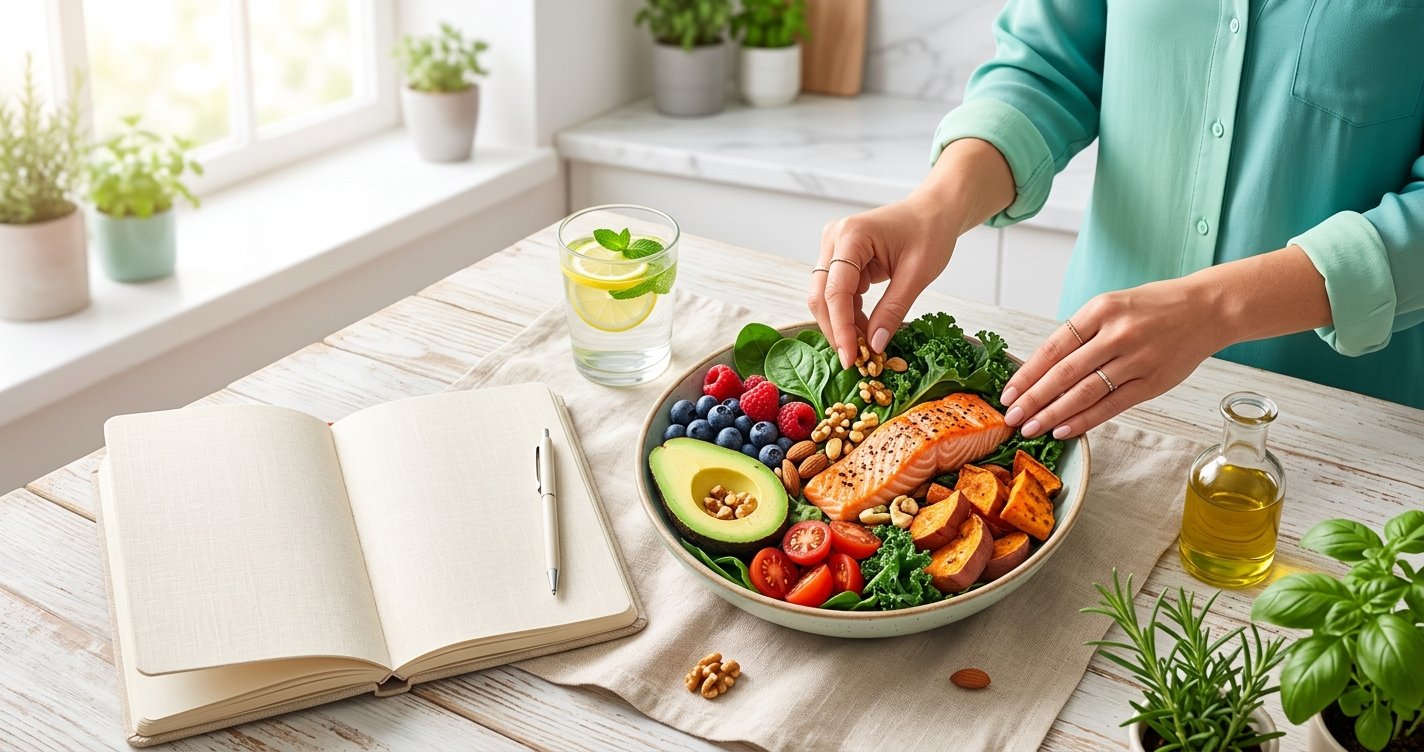
Are you tired of the endless cycle of restrictive diets, rapid weight loss, and inevitable regain? You're not alone. In a world saturated with 'quick fixes' and 'miracle diets,' it’s easy to feel frustrated and overwhelmed. But what if we told you that achieving lasting fat loss isn't about deprivation, but about understanding and nurturing your body with smart, sustainable nutrition? Welcome to your evidence-based guide to shedding fat for good, focusing on healthy habits that stand the test of time.
Why Quick Fix Diets Are a Dead End for Sustainable Fat Loss
Many popular diets promise dramatic results in a short period. While they might deliver initial weight loss, they often come with a heavy price. Extreme calorie restriction, elimination of entire food groups, and rigid rules can lead to nutrient deficiencies, metabolic slowdown, and a strained relationship with food. More importantly, they’re rarely sustainable. As soon as you return to 'normal' eating, the weight, and often more, comes back. This yo-yo dieting cycle not only impacts your physical health but also takes a significant toll on your mental well-being and self-esteem. Our goal here is to break that cycle by focusing on strategies that are enjoyable, nourishing, and, most importantly, sustainable. this excellent wellness product
The Foundation: Understanding Your Calorie Deficit for Fat Loss
At its core, fat loss boils down to a fundamental principle: consuming fewer calories than your body burns. This creates a 'calorie deficit,' forcing your body to tap into its stored fat reserves for energy. While simple in theory, the magic lies in *how* you achieve this deficit. Instead of drastic cuts that leave you feeling hungry and deprived, we advocate for a moderate, consistent deficit achieved through nutrient-dense foods. Think whole, unprocessed foods that provide maximum nutrition with fewer calories, keeping you fuller for longer and supporting overall health. Using an online calculator to estimate your daily calorie needs and then subtracting 300-500 calories is a good starting point, but always listen to your body and adjust as needed.
Protein: Your Powerhouse for Fat Loss and Muscle Preservation
If there's one macronutrient that truly shines in a fat loss journey, it's protein. Research consistently shows that a higher protein intake offers multiple benefits:
- Increased Satiety: Protein is incredibly filling, helping to reduce overall calorie intake by keeping hunger at bay.
- Higher Thermic Effect: Your body uses more energy to digest and metabolize protein compared to carbs or fats, meaning you burn more calories just by eating it!
- Muscle Preservation: When you're in a calorie deficit, there's a risk of losing muscle mass along with fat. Adequate protein intake, especially when combined with strength training, helps protect your precious muscle, which is crucial for a healthy metabolism.
Aim for lean protein sources like chicken breast, turkey, fish, eggs, Greek yogurt, cottage cheese, lean beef, lentils, beans, and tofu. A general guideline is to consume 0.7-1 gram of protein per pound of your target body weight daily, spread across your meals.
Carbs & Fats: Friends, Not Foes, in Your Fat Loss Journey
Contrary to popular diet myths, carbohydrates and fats are not the enemies; they are essential for your body's optimal function and energy. The key lies in choosing the right types and quantities.
Smart Carbohydrate Choices
Carbohydrates are your body's primary energy source. Instead of refined carbs (white bread, sugary drinks, pastries), opt for complex carbohydrates rich in fiber:
- Whole Grains: Oats, quinoa, brown rice, whole-wheat bread.
- Fruits: Berries, apples, bananas (in moderation).
- Vegetables: Broccoli, spinach, sweet potatoes, bell peppers.
These choices provide sustained energy, essential nutrients, and fiber, which aids digestion and promotes fullness.
Embracing Healthy Fats
Fats are vital for hormone production, nutrient absorption, and satiety. Focus on unsaturated fats and limit saturated and trans fats:
- Monounsaturated Fats: Avocados, olive oil, nuts (almonds, cashews).
- Polyunsaturated Fats: Fatty fish (salmon, mackerel), seeds (chia, flax), walnuts.
While healthy, fats are calorie-dense, so portion control remains important. A small handful of nuts or a tablespoon of olive oil can go a long way.
The Overlooked Essentials: Fiber, Hydration, and Micronutrients
Don't underestimate the power of these often-overlooked components for sustainable fat loss and overall health:
- Fiber: Found in fruits, vegetables, and whole grains, fiber is your best friend for satiety. It adds bulk to your meals, slowing digestion and keeping you feeling full longer, which naturally helps reduce calorie intake. It also supports a healthy gut, crucial for metabolic function.
- Hydration: Drinking enough water is critical. It helps with metabolism, can reduce feelings of hunger (sometimes thirst is mistaken for hunger), and supports countless bodily functions. Aim for 8-10 glasses of water daily, more if you're active.
- Micronutrients: Vitamins and minerals (found abundantly in whole foods) ensure your body operates efficiently. Deficiencies can impact energy levels, mood, and even metabolism, making fat loss harder. Prioritize a diverse diet rich in colorful fruits and vegetables.
Beyond the Plate: Mindful Eating and Lifestyle Factors
Sustainable fat loss isn't just about what you eat, but also *how* you eat and how you live your life:
- Mindful Eating: Pay attention to your body's hunger and fullness cues. Eat slowly, savor your food, and put away distractions. This can prevent overeating and help you truly enjoy your meals.
- Stress Management: Chronic stress elevates cortisol levels, a hormone that can promote fat storage, particularly around the abdomen. Incorporate stress-reducing activities like meditation, yoga, or spending time in nature.
- Quality Sleep: Lack of sleep disrupts hunger-regulating hormones (ghrelin and leptin), leading to increased appetite and cravings for unhealthy foods. Aim for 7-9 hours of quality sleep per night.
Building Lasting Habits: Practical Steps for Sustainable Success
True transformation happens through consistent, small changes, not grand, unsustainable gestures:
- Start Small: Don't overhaul your entire diet overnight. Begin by adding more vegetables to each meal, swapping sugary drinks for water, or ensuring you have a protein source at every meal.
- Plan & Prepare: Meal planning and prepping can be game-changers. Dedicate some time each week to plan your meals and snacks, and prepare components in advance. This reduces the likelihood of impulse, unhealthy choices.
- Cook at Home: Taking control of your ingredients and cooking methods is powerful. Experiment with healthy recipes and discover how delicious nutritious food can be.
- Track Progress Beyond the Scale: While the scale is one metric, also pay attention to how your clothes fit, your energy levels, sleep quality, and overall mood. Celebrate non-scale victories!
- Be Patient & Consistent: Sustainable fat loss is a marathon, not a sprint. There will be good days and challenging days. Don't let a slip-up derail your entire journey. Learn from it and get back on track. Consistency over perfection is the key.
Your Sustainable Fat Loss Journey Starts Now
Embracing a sustainable approach to fat loss through smart nutrition is about making peace with food, understanding your body, and building habits that support a vibrant, healthy life. It’s a journey of learning, adapting, and growing. Ditch the quick fixes and commit to nourishing your body with whole, unprocessed foods, prioritizing protein and fiber, staying hydrated, and managing your lifestyle. The results won't just be a leaner physique, but a healthier, happier, and more energetic you – for the long term. Start today, one small, smart choice at a time.