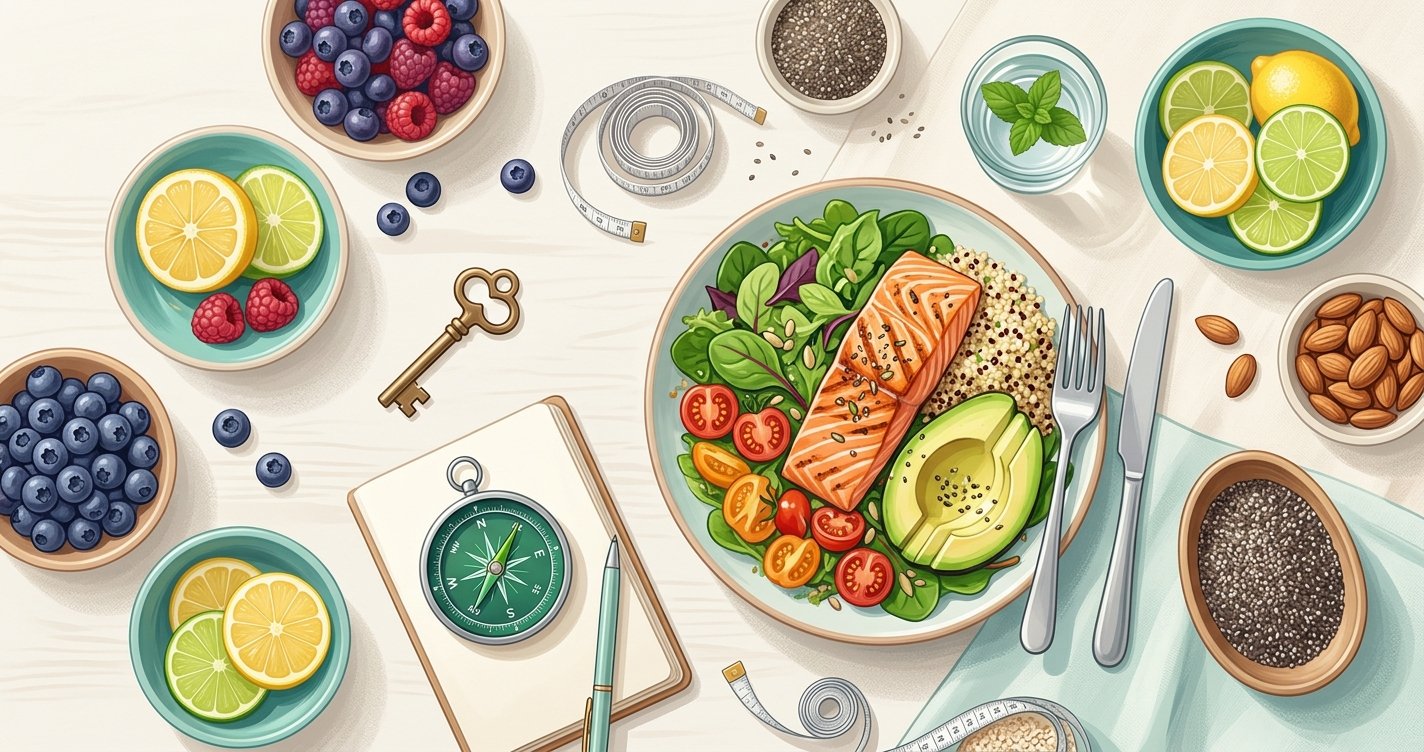
Embrace Sustainable Fat Loss: A Friendly, Evidence-Based Nutrition Guide
Feeling overwhelmed by conflicting diet advice? You’re not alone! Many people struggle with fat loss, often falling into the trap of restrictive crash diets that promise quick results but deliver disappointment and rebound weight gain. The truth is, lasting fat loss isn't about deprivation; it's about building sustainable habits rooted in sound nutrition. This guide will walk you through an evidence-based approach to fat loss, focusing on strategies you can maintain for life, not just for a few weeks.
Forget the fads and prepare to learn how to nourish your body, understand essential principles, and make informed choices that will lead to effective, healthy, and lasting fat loss. We're here to empower you with knowledge, support your journey, and help you transform your relationship with food. this excellent wellness product
Beyond Crash Diets: Why Sustainability Matters for Fat Loss
The allure of rapid weight loss is strong, but crash diets typically fail because they are unsustainable. They often cut out entire food groups, lead to nutrient deficiencies, and create an unhealthy relationship with food, fostering feelings of guilt and deprivation. When the diet ends, old habits often return with a vengeance, leading to the dreaded 'yo-yo' effect.
Sustainable fat loss, on the other hand, focuses on gradual, consistent changes you can integrate into your lifestyle indefinitely. It's about creating a calorie deficit in a way that provides your body with all the nutrients it needs, keeps you feeling satisfied, and is enjoyable enough to stick with. This approach not only helps you lose fat but also improves your overall health, energy levels, and well-being in the long run.
The Calorie Conundrum: Understanding Energy Balance
At its core, fat loss boils down to one fundamental principle: energy balance. To lose fat, you must consistently consume fewer calories than your body burns. This is known as a calorie deficit.
Think of your body as a car. Food is fuel (calories), and your daily activities (metabolism, exercise, digestion) burn that fuel. If you put less fuel in than you burn, your body will tap into its stored energy reserves – primarily fat – to make up the difference. While the concept is simple, achieving it sustainably requires understanding how to create this deficit without feeling constantly hungry or deprived. This isn't about extreme restriction, but smart choices that allow you to eat satisfying meals while still achieving your goals.
Macronutrients: Your Building Blocks for Fat Loss
While calories are king, the composition of those calories – your macronutrients (protein, carbohydrates, and fats) – plays a crucial role in satiety, muscle preservation, and overall health during fat loss.
Protein: The Satiety Superstar
Protein is your best friend when it comes to fat loss. Here’s why:
- Satiety: Protein is the most filling macronutrient, helping you feel fuller for longer and reducing overall calorie intake.
- Muscle Preservation: When you're in a calorie deficit, your body can break down muscle in addition to fat. Adequate protein intake helps preserve precious muscle mass, which is vital for maintaining a healthy metabolism.
- Thermic Effect: Protein has a higher thermic effect of food (TEF) than carbs or fats, meaning your body burns more calories digesting and metabolizing protein.
Aim for a good source of lean protein at every meal: chicken breast, fish, lean beef, eggs, Greek yogurt, tofu, lentils, or protein powder.
Carbohydrates: Fueling Your Body Smartly
Carbohydrates often get a bad rap, but they are essential for energy, brain function, and exercise performance. The key is choosing the right types of carbs:
- Complex Carbs: Opt for whole grains (oats, brown rice, quinoa), fruits, vegetables, and legumes. These are rich in fiber, which aids digestion, promotes satiety, and helps stabilize blood sugar levels.
- Limit Refined Carbs: Minimize highly processed carbs like white bread, sugary drinks, and pastries, which offer little nutritional value and can lead to energy crashes and increased hunger.
Carbohydrates provide the energy you need to power through your workouts and daily life, making them crucial for a sustainable fat loss journey.
Fats: Essential for Health and Satiety
Dietary fats are vital for hormone production, nutrient absorption, and overall health. They also contribute to satiety.
- Healthy Fats: Focus on unsaturated fats found in avocados, nuts, seeds, olive oil, and fatty fish (like salmon).
- Moderation is Key: While healthy, fats are calorie-dense, so portion control is important.
Don't fear fats; embrace them in moderation for their profound health benefits and ability to keep you feeling satisfied.
Micronutrients and Whole Foods: The Unsung Heroes
While macronutrients provide energy, micronutrients (vitamins and minerals) are the tiny but mighty players that enable countless bodily functions, including metabolism. Focusing on whole, unprocessed foods ensures you get a wide array of these essential nutrients.
- Fruits and Vegetables: Pack your plate with a variety of colorful fruits and vegetables. They are low in calories, high in fiber, and bursting with vitamins, minerals, and antioxidants.
- Minimize Processed Foods: These are often calorie-dense, nutrient-poor, and laden with added sugars, unhealthy fats, and sodium, which can hinder fat loss and negatively impact health.
Prioritizing whole foods not only supports fat loss but also enhances your overall vitality and reduces the risk of chronic diseases.
Hydration: A Simple Yet Powerful Tool
Often overlooked, adequate hydration is a cornerstone of effective fat loss and general health. Water plays a role in nearly every bodily function, including metabolism.
- Satiety: Drinking water before meals can help you feel fuller, potentially leading to reduced calorie intake.
- Metabolism: Some research suggests that proper hydration can slightly boost metabolism.
- Reduced Cravings: Sometimes, thirst can be mistaken for hunger, leading to unnecessary snacking.
Aim to drink plenty of water throughout the day. Keep a water bottle handy as a reminder!
Mindful Eating and Portion Control: Listening to Your Body
How you eat is almost as important as what you eat. Mindful eating involves paying attention to your body's hunger and fullness cues, savoring your food, and eating without distraction.
- Slow Down: It takes about 20 minutes for your brain to register that your stomach is full. Eating slowly allows your body to signal satiety before you've overeaten.
- Listen to Your Body: Eat when you're truly hungry, and stop when you're comfortably full, not stuffed.
- Portion Awareness: While you don't need to meticulously count every calorie forever, understanding appropriate portion sizes for different foods can be incredibly helpful, especially when starting out. Using smaller plates can also psychologically aid in portion control.
Cultivating mindful eating habits helps you build a healthier, more intuitive relationship with food, which is key for long-term success.
Practical Tips for Everyday Success
Knowledge is power, but application is key. Here are some actionable tips to integrate these strategies into your daily life:
- Meal Planning and Prep: Dedicate some time each week to plan your meals and snacks. Prepare ingredients or entire meals in advance to make healthy eating convenient during busy weekdays.
- Smart Grocery Shopping: Shop with a list, focusing on the perimeter of the grocery store where fresh produce, lean proteins, and dairy are typically found. Limit trips down the center aisles where processed foods often reside.
- Cook at Home More Often: This gives you full control over ingredients, portion sizes, and cooking methods, making it easier to stick to your fat loss goals.
- Don't Strive for Perfection: Life happens! There will be days you overeat or make less-than-ideal choices. Don't let one slip-up derail your entire journey. Learn from it, adjust, and get back on track with your next meal. Consistency, not perfection, is what truly matters.
Your Journey to Sustainable Fat Loss Starts Now!
Achieving sustainable fat loss isn't a race; it's a journey of consistent, informed choices that build lasting habits. By focusing on whole foods, adequate protein, smart carbohydrate choices, healthy fats, hydration, and mindful eating, you're not just losing fat – you're building a foundation for a healthier, more energetic life.
Remember, be patient and kind to yourself throughout this process. Celebrate small victories, learn from challenges, and trust in the power of evidence-based nutrition. You have the knowledge and the capability to transform your health and achieve the sustainable results you desire. Take the first step today, and enjoy the incredible journey ahead!