Unlock Sustainable Fat Loss: Your Evidence-Based Guide to Nutrition That Works
Are you tired of the diet rollercoaster? The endless cycle of restriction, quick wins, and inevitable rebound? You're not alone. The world of fat loss is often cluttered with fads, extreme measures, and confusing advice that leaves many feeling frustrated and defeated. But what if there was a better way? A path to lasting fat loss that doesn't involve starvation, deprivation, or sacrificing your favorite foods?
Good news: there is! This isn't about a quick fix; it's about understanding the science of nutrition and building sustainable habits that support your body and your goals for the long run. We're going to dive into evidence-based strategies that empower you to take control, feel good, and achieve sustainable fat loss without the unnecessary struggle. Let's ditch the diet mentality and embrace a smarter, friendlier approach! this excellent wellness product
Why Traditional "Dieting" Often Fails: Understanding the Cycle
Before we build effective strategies, it's crucial to understand why many conventional diets fall short. Most diets focus on severe calorie restriction, eliminating entire food groups, or relying on willpower alone. While these methods might yield rapid initial weight loss, they are rarely sustainable. Here's why:
- Metabolic Adaptation: When you drastically cut calories, your body often slows down its metabolism to conserve energy, making further fat loss harder.
- Nutrient Deficiencies: Restrictive diets can lead to a lack of essential vitamins and minerals, impacting energy levels, mood, and overall health.
- Increased Cravings & Bingeing: Deprivation often backfires, leading to intense cravings and overeating episodes as your body seeks to make up for lost nutrients and calories.
- Psychological Toll: Constant hunger, guilt, and the feeling of failure can seriously impact your mental well-being and relationship with food.
Our goal isn't just to lose weight, but to improve our health and cultivate a positive relationship with food. Sustainable fat loss means making changes you can stick with forever, not just for a few weeks.
The Power Players: Protein, Fiber, and Healthy Fats
When it comes to nutrition for fat loss, these three macronutrients are your best friends. They work synergistically to keep you feeling full, satisfied, and energized, making it easier to manage your calorie intake without feeling deprived.
Protein: The Satiety Superstar
Protein is paramount for fat loss. It's the most satiating macronutrient, meaning it keeps you feeling fuller for longer, which naturally reduces overall calorie intake. Furthermore, protein has a higher thermic effect of food (TEF) than carbs or fats, meaning your body burns more calories digesting it. Crucially, adequate protein intake helps preserve lean muscle mass during a calorie deficit, which is vital for maintaining a healthy metabolism.
- Aim for: 0.7-1 gram of protein per pound of body weight (or 1.6-2.2 grams per kilogram) daily, spread across your meals.
- Great Sources: Lean meats (chicken, turkey, beef), fish (salmon, cod), eggs, dairy (Greek yogurt, cottage cheese), legumes (lentils, beans), tofu, tempeh, and protein powder.
Fiber: The Gut Health & Fullness Factor
Fiber, particularly soluble fiber, is a game-changer for fat loss. It absorbs water in your digestive tract, forming a gel-like substance that slows down digestion and nutrient absorption. This leads to increased feelings of fullness and helps regulate blood sugar levels, preventing energy crashes and subsequent cravings.
- Aim for: 25-35 grams of fiber per day for most adults.
- Great Sources: Fruits (berries, apples, pears), vegetables (broccoli, spinach, carrots), whole grains (oats, quinoa, brown rice), nuts, seeds (chia, flax), and legumes.
Healthy Fats: Essential for Hormones and Satisfaction
Don't fear fats! While calorie-dense, healthy fats are essential for hormone production, nutrient absorption, and overall bodily function. They also contribute significantly to satiety and the palatability of your meals, making your eating experience more enjoyable and sustainable.
- Aim for: About 20-30% of your daily calories from healthy fat sources.
- Great Sources: Avocados, nuts (almonds, walnuts), seeds (pumpkin, sunflower), olive oil, fatty fish (salmon, mackerel), and dark chocolate (in moderation!).
Mastering Portion Control and Mindful Eating
Understanding what to eat is one thing; understanding how much to eat is another. Portion control isn't about meticulously weighing every gram, but rather developing an awareness of appropriate serving sizes and listening to your body's hunger and fullness cues.
- Visual Cues: Use your hand as a guide. A palm-sized portion for protein, a cupped hand for carbs, and a thumb-sized portion for fats.
- Smaller Plates: Studies show that using smaller plates can trick your brain into thinking you have more food, leading to reduced intake.
- Mindful Eating: Slow down! Chew your food thoroughly, put your fork down between bites, and pay attention to the flavors and textures. Ask yourself if you're truly hungry or if you're eating out of habit, boredom, or emotion. Stop eating when you're satisfied, not stuffed.
- Listen to Your Body: Differentiate between true physical hunger and emotional hunger. Emotional hunger often comes on suddenly, targets specific foods, and doesn't go away when you're full.
Hydration: An Underrated Fat Loss Ally
Water is often overlooked in fat loss discussions, but it plays a critical role. Staying well-hydrated supports metabolism, aids in nutrient transport, and can even help with satiety. Sometimes, what we perceive as hunger is actually thirst!
- Boost Metabolism: Studies suggest that drinking water can temporarily increase your metabolic rate.
- Increase Satiety: Drinking a glass of water before meals can help you feel fuller and potentially eat less.
- Reduce Liquid Calories: Swapping sugary drinks (soda, juice, sweetened coffee) for water can significantly reduce your daily calorie intake.
- How Much: Aim for at least 8 glasses (about 2 liters) of water daily, and more if you're active or in a hot climate. Keep a water bottle handy!
Smart Snacking and Meal Planning for Success
Navigating daily meals and snacks effectively is crucial for consistent fat loss. Planning ahead can prevent impulsive, unhealthy choices, while smart snacking can keep hunger at bay between meals.
Strategic Meal Planning
Meal prepping doesn't mean eating the same bland chicken and broccoli every day. It means taking a little time to plan your meals for the week, shop accordingly, and perhaps do some batch cooking. This reduces decision fatigue and ensures you have healthy options readily available when hunger strikes.
- Cook in Batches: Prepare larger quantities of protein, grains, and roasted vegetables that can be mixed and matched throughout the week.
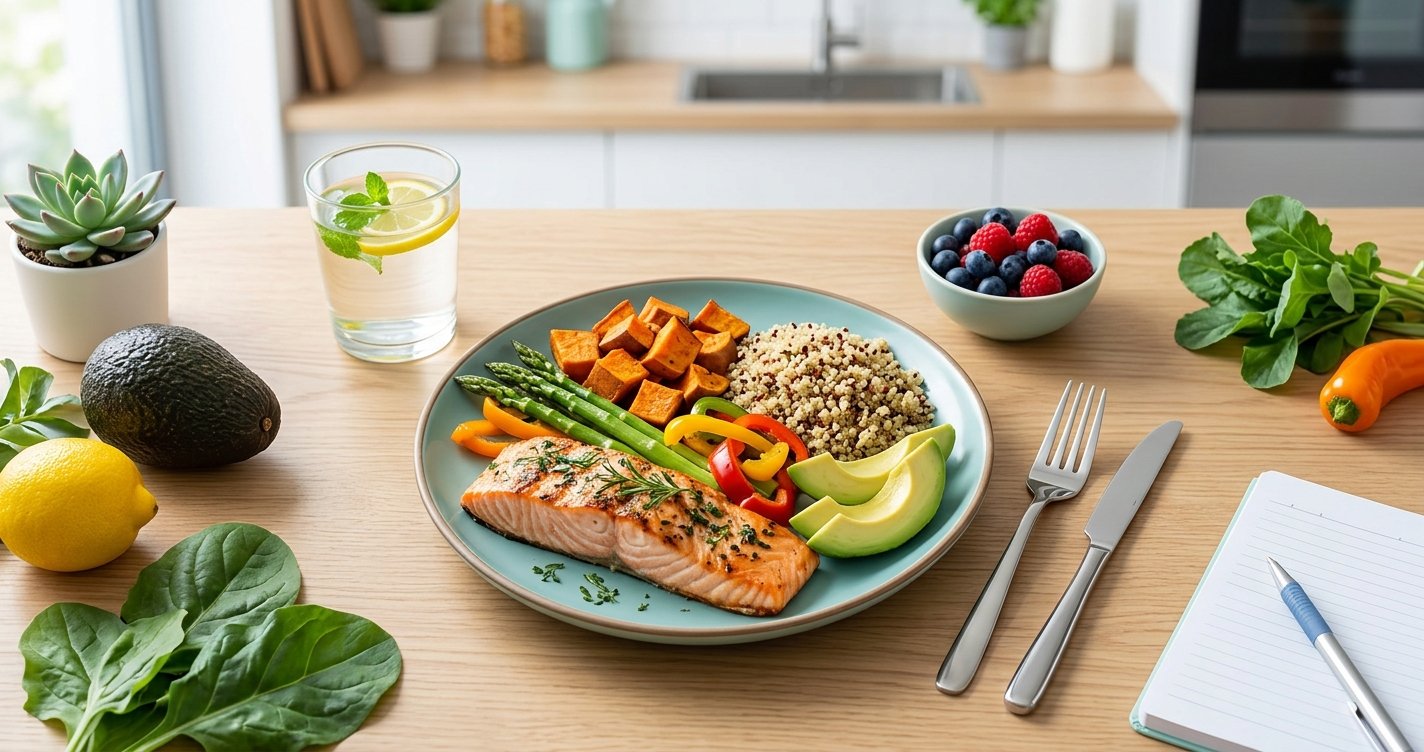
- Plan Your Plate: Aim for a balanced plate at each meal: half non-starchy vegetables, a quarter lean protein, and a quarter complex carbohydrates.
- Prepare Healthy Snacks: Wash and chop veggies, portion out nuts, or hard-boil eggs so they’re ready to grab.
Smart Snacking
Snacks can be a valuable tool for managing hunger and preventing overeating at main meals, but they need to be chosen wisely. Focus on snacks that combine protein and fiber for maximum satiety.
- Protein + Fiber Combos: Greek yogurt with berries, apple slices with peanut butter, a handful of almonds with an orange, cottage cheese with cucumber.
- Avoid Processed Snacks: Chips, cookies, and sugary granola bars offer little nutritional value and can lead to energy crashes and more cravings.
Dispelling Common Nutrition Myths: Quick Wins vs. Lasting Habits
The fat loss industry is rife with misinformation. Let's quickly debunk a few common myths that can derail your progress:
- Myth: Carbs are inherently bad for fat loss. Truth: Complex carbohydrates (whole grains, fruits, vegetables) are vital for energy, fiber, and nutrients. Portion size and type of carb matter far more than elimination.
- Myth: You need to do a detox or cleanse. Truth: Your liver and kidneys are incredibly efficient at detoxifying your body naturally. Focus on whole, unprocessed foods rather than expensive, unproven cleanses.
- Myth: Eating after 7 PM makes you fat. Truth: Total daily calorie intake and quality of food matter more than the time you eat. While eating very close to bedtime might affect sleep, it doesn't automatically cause fat gain.
- Myth: Certain foods burn fat. Truth: No single food has magical fat-burning properties. A balanced diet, consistent calorie deficit, and regular activity contribute to fat loss.
Focus on building sustainable habits rather than chasing quick fixes based on hype.
Beyond the Plate: Lifestyle Factors That Support Fat Loss
While nutrition is a cornerstone, remember that fat loss is a holistic process influenced by several lifestyle factors. Neglecting these can make even the best nutrition plan challenging to stick to.
- Sleep: Quality sleep is crucial. Lack of sleep can disrupt hunger hormones (ghrelin and leptin), increasing cravings and making fat loss harder. Aim for 7-9 hours per night.
- Stress Management: Chronic stress elevates cortisol levels, which can promote fat storage, especially around the midsection. Find healthy ways to manage stress, such as meditation, yoga, or spending time in nature.
- Movement: While not the primary focus of this guide, regular physical activity complements your nutrition efforts by burning calories, building muscle, and improving overall health.
Your Journey to Sustainable Fat Loss Starts Now
Achieving sustainable fat loss isn't about perfection; it's about consistency, education, and self-compassion. By focusing on nutrient-dense foods, mastering portion control, staying hydrated, and planning your meals, you're building a foundation for lasting success.
Remember, this is a journey, not a race. There will be good days and challenging days, and that's perfectly normal. Celebrate your small victories, learn from setbacks, and always come back to the core principles of balanced, mindful eating. You have the power to transform your relationship with food and achieve the healthy, vibrant life you deserve. Start with one small, actionable change today, and watch how it builds into a powerful momentum for your future!