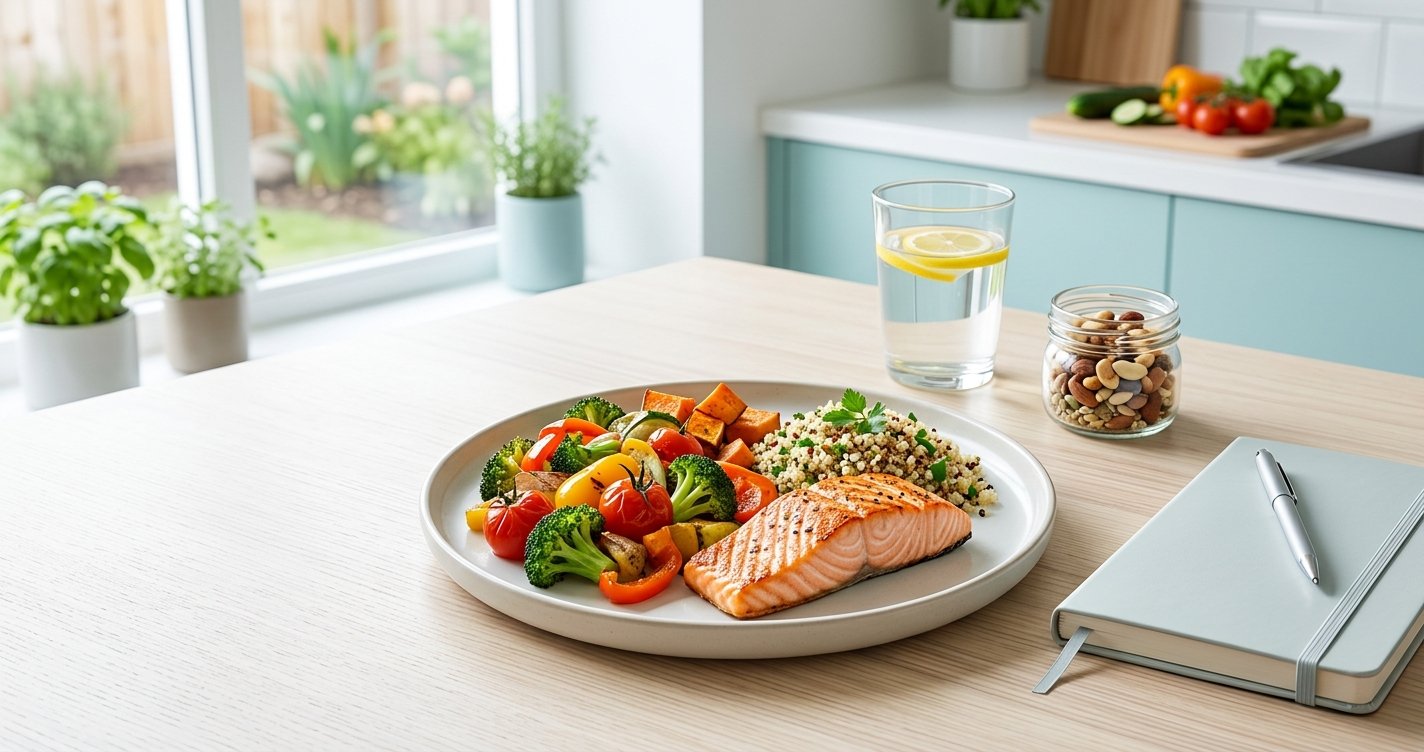
Are you tired of the endless cycle of restrictive diets, quick fixes, and disappointing results when it comes to fat loss? You're not alone. Many people get caught in the trap of extreme measures, only to find themselves back where they started, often feeling even more frustrated. The truth is, sustainable fat loss isn't about deprivation; it's about smart, evidence-based nutrition strategies that nourish your body, fuel your energy, and fit seamlessly into your life for the long haul.
This guide will cut through the noise, offering you a friendly, encouraging, and scientifically-backed approach to achieving your fat loss goals. We'll explore practical nutrition strategies that empower you to make informed choices, build lasting habits, and finally achieve the healthy body composition you desire, without sacrificing your well-being or sanity. Let's embark on this journey to sustainable fat loss together! this excellent wellness product
The Foundational Truth: Understanding a Calorie Deficit (The Smart Way)
At its core, fat loss boils down to one fundamental principle: consuming fewer calories than your body expends. This creates a 'calorie deficit,' prompting your body to tap into its stored fat reserves for energy. Sounds simple, right? While the concept is straightforward, the execution is where many go wrong, often by creating an extreme deficit that's unsustainable and detrimental to health.
What Exactly is a Calorie Deficit?
Your body constantly burns calories just to stay alive (basal metabolic rate) and for daily activities (walking, working out, thinking). Your Total Daily Energy Expenditure (TDEE) is the total number of calories you burn in a day. To lose fat, you need to eat less than your TDEE. A modest deficit of 300-500 calories per day is generally recommended for safe and sustainable fat loss, aiming for a loss of 1-2 pounds per week.
Why Extreme Restriction Backfires
While a larger deficit might seem like a faster route, it often leads to muscle loss (not just fat), nutrient deficiencies, extreme hunger, fatigue, irritability, and a plummeting metabolism. This can make adherence almost impossible and often leads to rebound weight gain, a phenomenon sometimes called 'yo-yo dieting.' Sustainable fat loss prioritizes preserving muscle mass and maintaining metabolic health, which a moderate deficit supports.
Macronutrients Matter: Fueling Your Body for Fat Loss Success
Once you understand the importance of a calorie deficit, the next step is to optimize the composition of those calories. This is where macronutrients – protein, carbohydrates, and fats – come into play. They all have distinct roles in your body and can significantly impact your fat loss journey.
Protein: Your Best Friend for Satiety and Muscle Preservation
- Satiety: Protein is the most satiating macronutrient, meaning it keeps you feeling fuller for longer. This is crucial for managing hunger and reducing overall calorie intake.
- Muscle Preservation: When you're in a calorie deficit, there's a risk of losing muscle along with fat. Adequate protein intake helps preserve lean muscle mass, which is vital for maintaining a healthy metabolism.
- Thermic Effect of Food (TEF): Protein has a higher TEF than carbs or fats, meaning your body burns more calories digesting and metabolizing it.
Aim for 0.7-1 gram of protein per pound of body weight, distributed across your meals. Good sources include lean meats, poultry, fish, eggs, dairy, legumes, and protein supplements.
Carbohydrates: Not the Enemy – Choosing Wisely
Carbohydrates have been unfairly demonized in some diet trends, but they are your body's primary energy source. The key is to choose the right kind of carbohydrates.
- Complex Carbs: Found in whole grains, fruits, and vegetables, these are rich in fiber, which aids digestion, promotes satiety, and provides sustained energy.
- Simple Carbs: Often found in processed foods, sugary drinks, and refined grains, these provide quick energy but can lead to blood sugar spikes and crashes, potentially increasing cravings.
Focus on fiber-rich complex carbohydrates to keep your energy stable and support overall health. They are essential for sustained physical activity and brain function.
Healthy Fats: Essential for Hormones and Satiety
Don't fear fats! Healthy fats are crucial for hormone production, nutrient absorption, and providing a sense of satiety. They are calorie-dense, so portion control is important, but they are far from something to avoid.
- Monounsaturated and Polyunsaturated Fats: Found in avocados, nuts, seeds, olive oil, and fatty fish (omega-3s), these fats support heart health and reduce inflammation.
Include moderate amounts of healthy fats in your diet to support overall health and keep hunger at bay.
Quality Over Quantity: Prioritizing Whole Foods
While calories and macros are important, the source of those calories matters immensely for sustainable fat loss and overall health. Nutrient-dense whole foods provide vitamins, minerals, fiber, and antioxidants that processed foods simply can't match.
The Power of Fruits and Vegetables
These are your nutritional powerhouses! Fruits and vegetables are low in calories, high in fiber, and packed with essential micronutrients. They fill you up without adding excess calories, making them perfect for a fat loss diet. Aim to 'eat the rainbow' to ensure a wide spectrum of nutrients.
Lean Proteins and Healthy Grains
Opt for lean protein sources like chicken breast, turkey, fish, tofu, lentils, and beans. Pair them with whole grains such as quinoa, brown rice, oats, and whole-wheat bread. These combinations provide sustained energy and help keep you full.
Limiting Processed Foods and Sugary Drinks
Processed foods are often high in unhealthy fats, added sugars, and sodium, and they tend to be low in fiber and essential nutrients. Sugary drinks (soda, sweetened juices) are 'empty calories' that contribute to weight gain without providing satiety. Minimizing these will significantly impact your fat loss efforts and improve your overall health.
Practical Strategies for Everyday Success
Knowing what to eat is one thing; consistently applying it is another. Here are some actionable strategies to integrate these principles into your daily life.
Meal Planning & Preparation: Your Secret Weapon
Failing to plan is planning to fail, especially with fat loss. Dedicate some time each week to plan your meals and snacks. Even better, spend a few hours prepping ingredients or cooking full meals in advance. This ensures you have healthy options readily available, reducing the likelihood of impulsive, less healthy choices when hunger strikes.
- Batch cook proteins like chicken or ground turkey.
- Chop vegetables for quick salads or stir-fries.
- Portion out snacks to avoid overeating.
Mindful Eating: Connecting with Your Body's Cues
Mindful eating is about paying attention to your food, your body's hunger and fullness signals, and the experience of eating. It helps you recognize true hunger versus emotional eating or boredom. This simple practice can dramatically improve your relationship with food and prevent overconsumption.
- Eat slowly and chew thoroughly.
- Put down your fork between bites.
- Eliminate distractions (TV, phone).
- Tune into your body: Are you truly hungry, or just bored/stressed?
Hydration: Often Overlooked, Always Important
Drinking enough water is critical for fat loss. Water aids metabolism, helps transport nutrients, and can even help you feel fuller. Sometimes, thirst can be mistaken for hunger, leading to unnecessary snacking. Aim for at least 8 glasses of water a day, more if you're active.
Beyond the Plate: Building Sustainable Habits for Long-Term Success
Sustainable fat loss isn't just about what you eat; it's about the habits you build around food and your overall lifestyle. It's a holistic journey.
Listening to Your Body (Hunger & Fullness)
Relearn to trust your body's signals. Eat when you're genuinely hungry and stop when you're comfortably full, not stuffed. This takes practice, especially if you've been relying on external cues (like finishing everything on your plate).
Managing Cravings and Emotional Eating
Cravings are normal. Instead of fighting them with sheer willpower, develop strategies to manage them. Can you replace the craving with a healthier alternative? Can you delay it for 20 minutes to see if it passes? For emotional eating, identify the underlying emotion and find non-food coping mechanisms (e.g., a walk, talking to a friend, meditation).
Consistency is Key: Progress, Not Perfection
Remember, sustainable fat loss is a marathon, not a sprint. There will be days when you don't eat perfectly, and that's okay! Don't let one 'off' meal or day derail your entire effort. Get back on track with your next meal. Consistency over time yields far greater results than short bursts of perfection.
Your Journey to Sustainable Fat Loss Starts Now
Achieving sustainable fat loss isn't about chasing the latest fad diet or enduring endless deprivation. It's about empowering yourself with knowledge, making informed nutritional choices, and building consistent, healthy habits that support your body and mind for the long term. By focusing on a moderate calorie deficit, prioritizing protein, choosing quality carbohydrates and healthy fats, and practicing mindful eating, you can transform your body and your relationship with food.
Embrace this journey with patience, self-compassion, and an encouraging mindset. Celebrate small victories, learn from setbacks, and remember that every healthy choice you make is a step towards a stronger, healthier, and happier you. You have the power to create lasting change – start today!