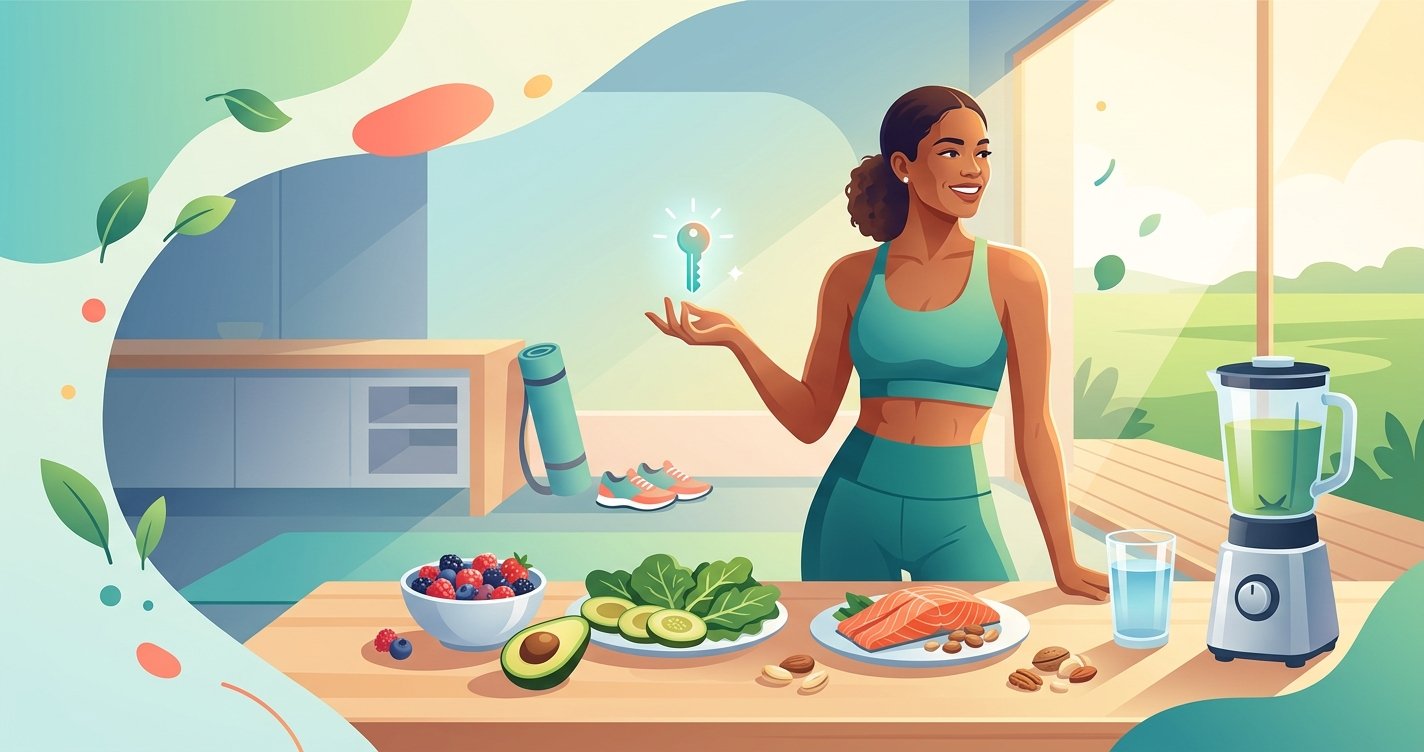
Unlock Sustainable Fat Loss: Your Ultimate Guide to Long-Term Nutrition Success
Are you tired of the endless cycle of restrictive diets, quick fixes, and the frustration of losing weight only to regain it? You're not alone. Many people embark on a fat loss journey with high hopes, only to find themselves burnt out and discouraged. The good news? Sustainable fat loss isn't about deprivation; it's about smart, evidence-based nutrition strategies that nourish your body, keep you feeling satisfied, and fit seamlessly into your life for the long haul.
This guide isn't about magic pills or extreme eating plans. Instead, we'll dive into practical, friendly, and scientifically backed approaches to help you achieve lasting fat loss by building a healthier relationship with food. Let's ditch the diet mentality and embrace a path to a stronger, healthier you! this excellent wellness product
The Unshakeable Foundation: Understanding Your Energy Balance
At its core, fat loss comes down to one fundamental principle: energy balance. To lose fat, you need to consistently consume slightly fewer calories than your body burns over time. This creates a calorie deficit, prompting your body to tap into stored fat for energy.
Now, before you cringe at the word 'deficit,' understand that this doesn't mean starvation! A sustainable deficit is modest and manageable, typically 300-500 calories below your maintenance level. It's about making smarter food choices, controlling portions, and being mindful, not feeling constantly hungry. Think of it as creating a gentle nudge for your body, not a harsh shove. Calculating your estimated daily calorie needs (Total Daily Energy Expenditure or TDEE) can be a helpful starting point, but listening to your body's hunger and fullness cues is equally important.
Protein Power: Your Ally Against Hunger and Muscle Loss
If there's one nutrient that deserves a spotlight in your fat loss journey, it's protein. This powerhouse macronutrient plays several crucial roles:
- Satiety Superstar: Protein is incredibly filling. Including adequate protein at each meal helps you feel fuller for longer, reducing cravings and preventing overeating.
- Muscle Preservation: When you're in a calorie deficit, there's a risk of losing not just fat, but also valuable muscle mass. Protein helps protect your muscles, which are metabolically active and contribute to a higher resting metabolism.
- Thermic Effect of Food (TEF): Your body burns more calories digesting protein compared to fats or carbohydrates. While not a massive difference, every little bit helps!
How much protein? Aim for 1.6-2.2 grams of protein per kilogram of body weight per day, spread across your meals. Excellent sources include lean meats (chicken, turkey, beef), fish, eggs, dairy (Greek yogurt, cottage cheese), legumes (lentils, beans), and plant-based options like tofu and tempeh.
Fiber First: The Secret to Satiety and Gut Health
Another unsung hero in the world of sustainable fat loss is dietary fiber. Found in fruits, vegetables, whole grains, and legumes, fiber offers a wealth of benefits:
- Enhanced Fullness: Like protein, fiber adds bulk to your meals, slowing down digestion and keeping you feeling satisfied. This is especially true for soluble fiber, which forms a gel-like substance in your gut.
- Blood Sugar Regulation: Fiber helps to stabilize blood sugar levels, preventing sharp spikes and crashes that can lead to energy dips and increased hunger.
- Digestive Health: A healthy gut is a happy gut, and fiber is essential for promoting regular bowel movements and feeding beneficial gut bacteria. Emerging research even links gut health to weight management!
Try to include a variety of fiber-rich foods in every meal. Think a handful of berries with your yogurt, a generous serving of leafy greens with dinner, or opting for whole-grain bread over white.
Smart Carbs & Healthy Fats: Fueling Your Body, Not Just Filling It
Carbohydrates and fats often get a bad rap in diet culture, but they are vital for energy, hormone production, and nutrient absorption. The key is choosing the right types and amounts.
Navigating Carbohydrates:
Focus on complex carbohydrates, which are rich in fiber and nutrients, and provide sustained energy. Examples include:
- Whole grains (oats, brown rice, quinoa, whole-wheat bread)
- Starchy vegetables (sweet potatoes, corn, peas)
- Fruits (berries, apples, bananas)
Limit highly processed and refined carbohydrates like sugary drinks, pastries, and white bread, which offer little nutritional value and can contribute to energy crashes and increased hunger.
Embracing Healthy Fats:
Healthy fats are essential for hormone production, vitamin absorption, and satiety. However, they are calorie-dense, so portion control is crucial. Incorporate sources like:
- Avocado
- Nuts and seeds (almonds, walnuts, chia seeds)
- Olive oil and other healthy cooking oils
- Fatty fish (salmon, mackerel)
A balanced approach means including healthy fats in moderation, understanding that a little goes a long way.
Beyond the Plate: Hydration, Mindfulness, and Consistency
Fat loss isn't just about what you eat; it's also about how you eat and the habits you build around food.
Stay Hydrated:
Water is crucial for countless bodily functions, including metabolism. Sometimes, our bodies can confuse thirst for hunger. Drinking plenty of water throughout the day can help manage appetite and keep you feeling refreshed. Aim for at least 8 glasses a day, and consider having a glass before meals.
Practice Mindful Eating:
Slow down, savor your food, and pay attention to your body's hunger and fullness cues. Avoid distractions like screens while eating. Mindful eating helps you recognize when you're truly hungry and when you're satisfied, preventing overeating and fostering a healthier relationship with food. Ask yourself: Am I truly hungry, or am I eating out of boredom, stress, or habit?
Consistency is Key:
Sustainable fat loss isn't about perfection; it's about consistency over time. Don't let one less-than-perfect meal derail your entire week. Get back on track with your next meal. Small, consistent efforts yield far greater results than sporadic, extreme measures.
Embracing the Journey: Patience, Persistence, and Progress
Remember, fat loss is a journey, not a race. Your body needs time to adapt, and progress isn't always linear. There will be weeks when the scale doesn't move, or even fluctuates upwards. This is normal! Focus on non-scale victories: improved energy, better sleep, clothes fitting differently, increased strength, and a more positive mindset.
Be patient with yourself, celebrate small victories, and stay persistent. Building sustainable habits takes time and effort, but the long-term rewards of improved health, confidence, and well-being are immeasurable.
Your Path to Lasting Success
Sustainable fat loss is within your reach. By focusing on a slight calorie deficit, prioritizing protein and fiber, making smart choices with carbohydrates and healthy fats, staying hydrated, and practicing mindful eating, you're not just losing weight – you're building a foundation for lifelong health. Start small, make one change at a time, and remember that every healthy choice moves you closer to your goals. You've got this!