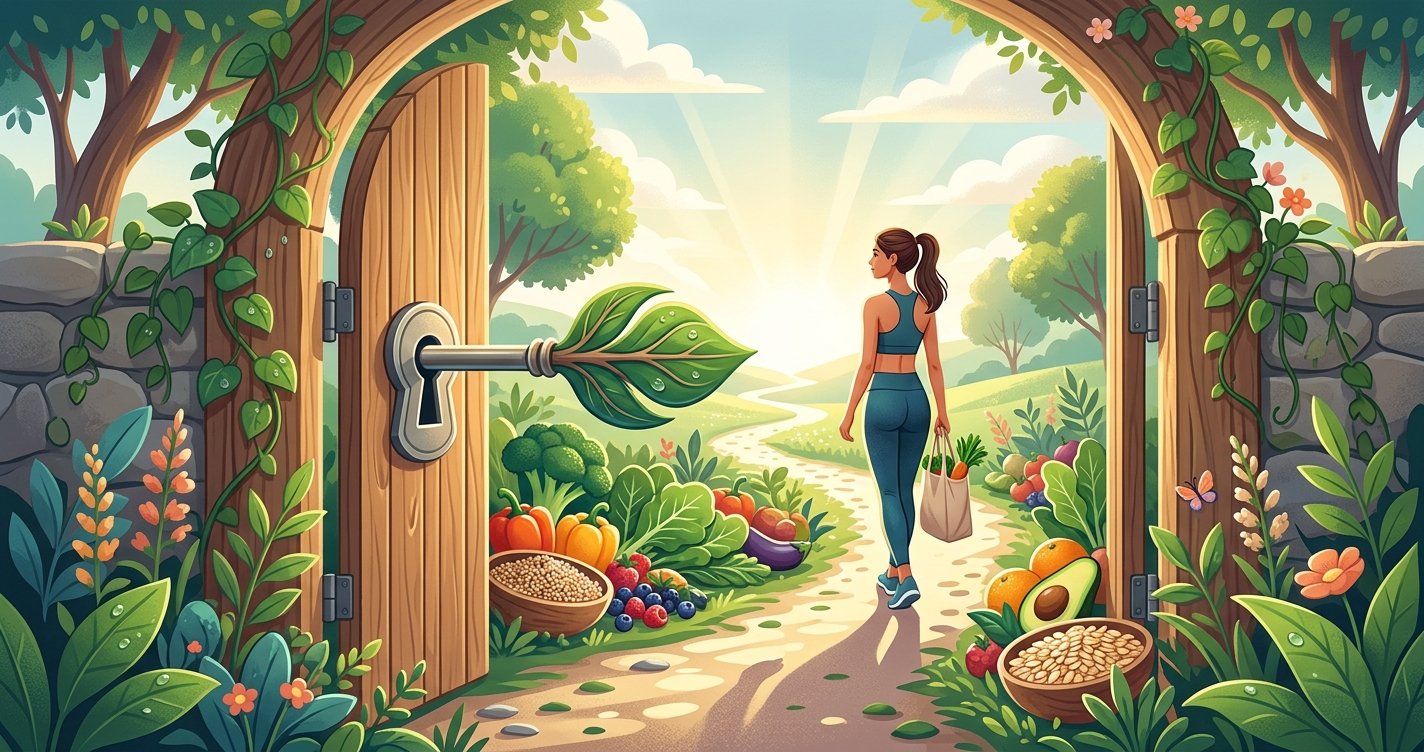
Are you tired of diet fads that promise quick fixes but leave you feeling deprived, frustrated, and right back where you started? You're not alone. The journey to fat loss can often feel like a complicated maze, but what if we told you it doesn't have to be? The secret to sustainable, long-term fat loss isn't about extreme restrictions or magical pills; it's about building a foundation of smart, evidence-based nutrition strategies that you can genuinely stick with for life.
This guide isn't about telling you to eat only salads or cut out entire food groups forever. Instead, we'll explore practical, friendly, and science-backed ways to nourish your body, boost your metabolism, and achieve your fat loss goals in a way that feels good and lasts. Let's ditch the diet mentality and embrace a path to a healthier, happier you! this excellent wellness product
The Foundation: Understanding Calorie Deficit (Without Obsession)
At its core, fat loss boils down to one fundamental principle: consuming fewer calories than your body burns. This is known as a calorie deficit. While it sounds simple, the nuance is crucial. We're not advocating for drastic calorie cuts that leave you hungry and deplete your energy. Instead, think of it as finding a slight, manageable deficit that allows your body to tap into its fat stores for energy without feeling deprived.
You can estimate your daily calorie needs using online TDEE (Total Daily Energy Expenditure) calculators, but remember these are just estimates. The real key is to listen to your body and make gradual adjustments. Focus on nutrient-dense foods that naturally provide fewer calories per serving while keeping you full and satisfied. This approach makes creating a calorie deficit much more sustainable than simply counting every single calorie.
Prioritize Protein: Your Secret Weapon for Satiety and Muscle Preservation
If there's one macronutrient to prioritize for fat loss, it's protein. Here's why:
- Satiety Powerhouse: Protein is incredibly filling. Including adequate protein in each meal helps you feel fuller for longer, reducing cravings and preventing overeating.
- Thermic Effect of Food (TEF): Your body expends more energy digesting protein compared to carbohydrates or fats. This means you burn a few extra calories just by eating protein!
- Muscle Preservation: When you're in a calorie deficit, your body can sometimes break down muscle tissue for energy. A high protein intake helps protect your precious muscle mass, which is crucial because muscle burns more calories at rest than fat does.
Aim for a lean protein source at every meal. Excellent options include chicken breast, turkey, fish, lean beef, eggs, Greek yogurt, cottage cheese, tofu, lentils, and beans. For most people aiming for fat loss, targeting 0.7-1 gram of protein per pound of body weight (or ideal body weight) is a good starting point.
Embrace Fiber: The Unsung Hero of Digestive Health and Fullness
Fiber often doesn't get the spotlight it deserves, but it's a superstar for fat loss and overall health. Fiber is a type of carbohydrate that your body can't digest, and it offers a wealth of benefits:
- Increased Satiety: Fiber-rich foods add bulk to your meals, helping you feel full and satisfied without adding many calories.
- Blood Sugar Control: Soluble fiber helps slow down the absorption of sugar, preventing spikes and crashes that can lead to cravings and energy slumps.
- Improved Digestion: Both soluble and insoluble fiber promote a healthy digestive system, aiding regularity and supporting a healthy gut microbiome, which is increasingly linked to weight management.
Load up on fruits, vegetables, whole grains (oats, quinoa, brown rice), legumes (beans, lentils), nuts, and seeds. These foods are not only packed with fiber but also essential vitamins and minerals.
Smart Carb Choices: Fueling Your Body Wisely
Carbohydrates have gotten a bad rap in some diet circles, but they are your body's primary energy source. The key is making smart choices:
- Choose Complex Carbs: Opt for whole, unprocessed carbohydrates over refined ones. Complex carbs (like whole grains, sweet potatoes, and root vegetables) are rich in fiber and nutrients, providing sustained energy without the rapid blood sugar spikes associated with simple carbs (like white bread, sugary drinks, and pastries).
- Timing Can Matter: While not strictly necessary for everyone, some people find it beneficial to consume a larger portion of their carbohydrates around their workouts to fuel performance and aid recovery.
- Limit Added Sugars: Sugary drinks, candies, and many processed foods are calorie-dense and nutrient-poor. They contribute to excess calorie intake without providing satiety or essential nutrients. Reducing your intake of added sugars is one of the most impactful changes you can make for fat loss.
Healthy Fats: Essential for Hormones and Satiety (in Moderation!)
Just like carbs, fats have been unfairly demonized. Healthy fats are absolutely vital for hormone production, nutrient absorption (especially fat-soluble vitamins A, D, E, K), brain health, and even satiety. However, fats are calorie-dense, so moderation is key.
Focus on incorporating sources of monounsaturated and polyunsaturated fats into your diet:
- Avocado
- Nuts (almonds, walnuts, cashews)
- Seeds (chia, flax, pumpkin)
- Olive oil
- Fatty fish (salmon, mackerel)
A small handful of nuts, a drizzle of olive oil, or a quarter of an avocado can add significant flavor and nutritional value to your meals without overdoing the calories.
Hydration is Key: Don't Underestimate the Power of Water
Water is often overlooked in fat loss discussions, but it plays a critical role. Staying adequately hydrated supports metabolic processes, helps transport nutrients, and aids in waste removal. Sometimes, your body can even confuse thirst signals with hunger signals, leading to unnecessary snacking.
- Drink Before Meals: A glass of water before a meal can help you feel fuller and potentially reduce overall calorie intake.
- Boost Metabolism: Some studies suggest that drinking enough water can slightly increase your metabolic rate.
- Replace Sugary Drinks: Swapping sugary sodas, juices, and specialty coffees for water can significantly cut down on empty calories.
Aim for at least 8 glasses (around 2 liters) of water a day, and more if you're active or in a hot climate.
Mindful Eating: Beyond What You Eat, How You Eat
Nutrition for fat loss isn't just about the food on your plate; it's also about your relationship with food. Mindful eating practices can transform your eating experience and support your goals:
- Slow Down: It takes about 20 minutes for your stomach to signal to your brain that you're full. Eating slowly allows your body to register satiety, preventing overeating.
- Savor Your Food: Pay attention to the flavors, textures, and aromas. Enjoying your meals makes the experience more satisfying.
- Listen to Your Body: Learn to distinguish between true hunger and emotional hunger. Eat when you're hungry, stop when you're comfortably full, not stuffed.
- Reduce Distractions: Avoid eating in front of the TV, computer, or phone. Focus solely on your meal.
Mindful eating helps you build a healthier, more intuitive relationship with food, which is invaluable for long-term fat loss and maintenance.
Practical Strategies for Sustainable Success
Knowledge is power, but application is what brings results. Here are some actionable strategies to integrate these principles into your daily life:
Meal Planning & Preparation
Taking time to plan your meals for the week and doing some batch cooking can be a game-changer. This reduces decision fatigue, ensures you have healthy options readily available, and minimizes the temptation to grab convenient, less healthy choices when hunger strikes.
Portion Control
Even healthy foods can lead to weight gain if consumed in excess. Learn what a proper portion size looks like for different food groups. Using smaller plates, measuring cups, or even just your hand can help you manage portions effectively.
Consistency Over Perfection
No one eats perfectly all the time, and that's okay! Don't let one 'off' meal or day derail your entire progress. Consistency over weeks and months is far more important than striving for an unsustainable level of perfection. Get back on track with your next meal.
Embrace Flexibility
Allow yourself occasional treats or indulgences in moderation. Complete deprivation often leads to intense cravings and eventual binges. A balanced approach that allows for flexibility makes your nutrition plan much more enjoyable and sustainable.
Conclusion: Your Journey to Lasting Fat Loss Starts Now
Sustainable fat loss isn't about quick fixes or extreme measures; it's a journey of consistent, informed choices that build a healthier lifestyle. By focusing on a slight calorie deficit, prioritizing protein and fiber, making smart carb and fat choices, staying hydrated, and practicing mindful eating, you're not just losing weight – you're building habits that will serve you for a lifetime.
Remember, this is your unique journey. Be patient with yourself, celebrate small victories, and focus on progress, not perfection. You have the power to transform your health and achieve lasting results. Start today, one nourishing meal at a time!