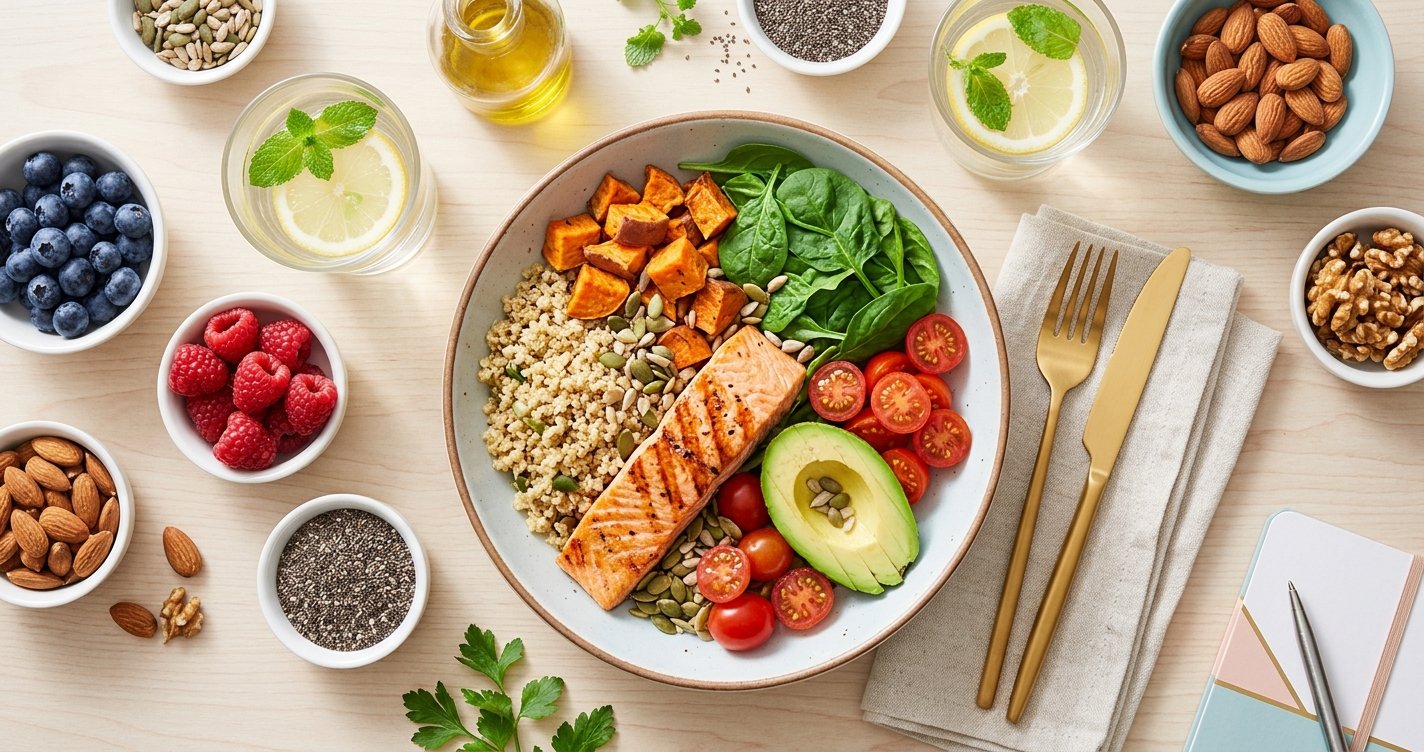
Introduction: Ditching the Diet Drama for Lasting Results
Tired of the endless cycle of restrictive diets, quick fixes, and the inevitable rebound? You're not alone. The journey to fat loss can feel like navigating a maze, filled with conflicting advice and overwhelming options. But what if we told you there's a more sustainable, enjoyable, and evidence-based path? It's not about deprivation; it's about empowerment through smart nutrition. This comprehensive guide will equip you with the knowledge and strategies to transform your relationship with food, achieve lasting fat loss, and feel your best, without ever feeling like you're 'on a diet'. Let's unlock the secrets to sustainable fat loss, one delicious, nutrient-dense bite at a time!
The Cornerstone: Understanding the Calorie Deficit (Without Obsession!)
At its core, fat loss boils down to one fundamental principle: consuming fewer calories than your body burns. This is known as a calorie deficit. While complex hormonal and metabolic factors play a role, the calorie deficit remains the primary driver for losing body fat. Don't let this intimidate you; it doesn't mean meticulously counting every single calorie for life. Instead, it's about understanding energy balance and making informed food choices that naturally support a deficit. this excellent wellness product
How to Create a Sustainable Calorie Deficit:
- Focus on Nutrient Density: Prioritize whole, unprocessed foods that are rich in nutrients but lower in calories (e.g., vegetables, lean proteins, fruits).
- Mindful Portions: Learn to recognize appropriate portion sizes without needing to weigh everything.
- Listen to Your Body: Pay attention to hunger and fullness cues. Eat when you're hungry, stop when you're satisfied, not stuffed.
- Avoid Empty Calories: Sugary drinks, highly processed snacks, and excessive amounts of unhealthy fats contribute calories without much nutritional value or satiety.
Prioritizing Protein: Your Satiety and Muscle Savior
If there's one macronutrient to spotlight for fat loss, it's protein. Protein is not just for bodybuilders; it's a critical component for everyone aiming to shed fat and maintain a healthy body composition. It's your secret weapon for feeling full, preserving muscle, and boosting your metabolism.
Why Protein is King for Fat Loss:
- Increased Satiety: Protein is the most satiating macronutrient, meaning it helps you feel fuller for longer, reducing the urge to snack unnecessarily.
- Muscle Preservation: When you're in a calorie deficit, your body can sometimes break down muscle for energy. Adequate protein intake helps protect your lean muscle mass, which is crucial for a healthy metabolism.
- Higher Thermic Effect of Food (TEF): Your body expends more energy digesting protein compared to carbs or fats, giving you a slight metabolic boost.
- Supports Repair and Recovery: Essential for active individuals, helping muscles recover and grow stronger.
Smart Protein Sources:
- Lean Meats (chicken breast, turkey, lean beef)
- Fish and Seafood (salmon, cod, tuna, shrimp)
- Eggs
- Dairy (Greek yogurt, cottage cheese, milk)
- Legumes (lentils, beans, chickpeas)
- Tofu and Tempeh
- Protein Powder (whey, casein, plant-based)
Embracing Healthy Fats: Fuel, Hormones, and Fullness
For years, fat was demonized, leading to a rise in highly processed, low-fat foods that were often loaded with sugar. The truth is, healthy fats are absolutely essential for your health and play a vital role in sustainable fat loss. They're critical for hormone production, nutrient absorption, and keeping you satisfied.
Good Fat, Great Benefits:
- Satiety: Like protein, fats contribute significantly to satiety, helping to curb hunger between meals.
- Hormone Production: Healthy fats are crucial for the production of hormones, including those involved in metabolism and appetite regulation.
- Nutrient Absorption: They help your body absorb fat-soluble vitamins (A, D, E, K).
- Brain Health: Omega-3 fatty acids, in particular, are vital for cognitive function.
Sources of Healthy Fats:
- Avocado
- Nuts (almonds, walnuts, pecans) and Seeds (chia, flax, hemp)
- Olive Oil, Avocado Oil
- Fatty Fish (salmon, mackerel, sardines)
- Nut Butters (natural, unsweetened)
Smart Carbohydrate Choices: Fueling Your Body, Not Just Your Cravings
Carbohydrates are not the enemy! They are your body's primary source of energy, especially important if you're active. The key for fat loss is choosing the right types of carbohydrates and managing portion sizes. Focus on complex carbohydrates that provide sustained energy and fiber, rather than simple sugars that lead to energy crashes and cravings.
Choosing Your Carbs Wisely:
- Whole Grains: Brown rice, quinoa, oats, whole-wheat bread and pasta. These are packed with fiber and nutrients.
- Fruits: Nature's candy, full of vitamins, antioxidants, and fiber. Enjoy them in moderation.
- Vegetables: Non-starchy vegetables (broccoli, spinach, bell peppers) are incredibly low in calories, high in nutrients, and provide excellent satiety. Starchy vegetables (potatoes, sweet potatoes, corn) are great energy sources but should be consumed in mindful portions.
- Limit Refined Carbs: White bread, pastries, sugary cereals, and sodas offer little nutritional value and can hinder fat loss progress.
Fiber: The Unsung Hero of Satiety and Gut Health
Often overlooked, fiber is a powerhouse for fat loss and overall health. It's a type of carbohydrate that your body can't digest, but it plays a crucial role in keeping your digestive system healthy and making you feel full.
Fiber's Power-Packed Benefits:
- Increased Satiety: Fiber adds bulk to your meals, helping you feel satisfied with fewer calories.
- Improved Digestion: Keeps your digestive system running smoothly and prevents constipation.
- Blood Sugar Control: Slows down the absorption of sugar, preventing spikes and crashes that can lead to cravings.
- Gut Health: Feeds beneficial gut bacteria, which is increasingly linked to weight management and overall well-being.
Fiber-Rich Foods:
- Vegetables (especially leafy greens, cruciferous veggies)
- Fruits (berries, apples, pears)
- Legumes (beans, lentils, chickpeas)
- Whole Grains (oats, barley, quinoa)
- Nuts and Seeds
Hydration: The Simple Yet Powerful Fat Loss Ally
It sounds basic, but adequate water intake is a game-changer for fat loss. Many times, what we perceive as hunger is actually thirst. Staying hydrated supports metabolic function, aids digestion, and can help control your appetite.
Why Water Matters:
- Appetite Suppression: Drinking water before meals can help you eat less.
- Boosts Metabolism: Water is essential for all metabolic processes in the body.
- Reduces Bloating: Paradoxically, drinking enough water can help reduce water retention and bloating.
- Improved Energy Levels: Dehydration can lead to fatigue, which can be mistaken for hunger.
Aim for at least 8 glasses of water a day, and more if you're active or in a warm climate.
Mindful Eating: Reconnecting with Your Body's Signals
Beyond what you eat, how you eat plays a monumental role in sustainable fat loss. Mindful eating is about paying attention to your food, your body's hunger and fullness cues, and the experience of eating. It helps you develop a healthier relationship with food and avoid overeating.
Practicing Mindfulness at Mealtime:
- Eat Slowly: It takes about 20 minutes for your brain to register that your stomach is full.
- Eliminate Distractions: Turn off the TV, put away your phone, and focus on your meal.
- Savor Each Bite: Notice the flavors, textures, and aromas of your food.
- Check-in with Hunger/Fullness: Before eating, assess your hunger level. During the meal, pause and check how full you feel. Stop when you're comfortably satisfied.
Meal Planning & Prep: Setting Yourself Up for Success
Failing to plan is planning to fail, especially when it comes to nutrition. Meal planning and preparation are powerful tools that remove guesswork, reduce impulsive unhealthy choices, and ensure you have nutritious options readily available.
Tips for Effective Meal Planning:
- Dedicate Time: Set aside an hour or two each week to plan your meals and snacks.
- Batch Cook: Prepare large quantities of staples like cooked chicken, roasted vegetables, or grains to use throughout the week.
- Healthy Snacks Ready: Keep fruits, nuts, Greek yogurt, or veggie sticks on hand for when hunger strikes.
- Simplify: Don't try to make every meal gourmet. Focus on simple, balanced meals you enjoy.
Flexibility and Consistency: The Real Keys to Long-Term Success
Sustainable fat loss isn't about perfection; it's about consistency and flexibility. Life happens, and there will be times you deviate from your plan. The key is to not let one 'off' meal or day derail your entire progress. Learn from it, adjust, and get back on track with your next meal.
- Embrace the 80/20 Rule: Aim for healthy eating 80% of the time, allowing for some flexibility and treats 20% of the time. This prevents feelings of deprivation.
- Be Patient: Fat loss is a marathon, not a sprint. Celebrate small victories and understand that progress isn't always linear.
- Listen to Your Body: Adjust your intake based on your activity levels, hunger, and how you feel.
Conclusion: Your Journey to Sustainable Fat Loss Starts Now
You now have a powerful arsenal of evidence-based nutrition strategies to achieve sustainable fat loss. Remember, this isn't about chasing a number on the scale with extreme measures; it's about fostering a healthier relationship with food, nourishing your body, and building habits that last a lifetime. Prioritize protein, embrace healthy fats, choose smart carbs, load up on fiber, stay hydrated, practice mindful eating, and plan your meals. Be consistent, be patient, and be kind to yourself. With these tools, you're not just losing weight; you're gaining health, energy, and confidence for the long run. You've got this!