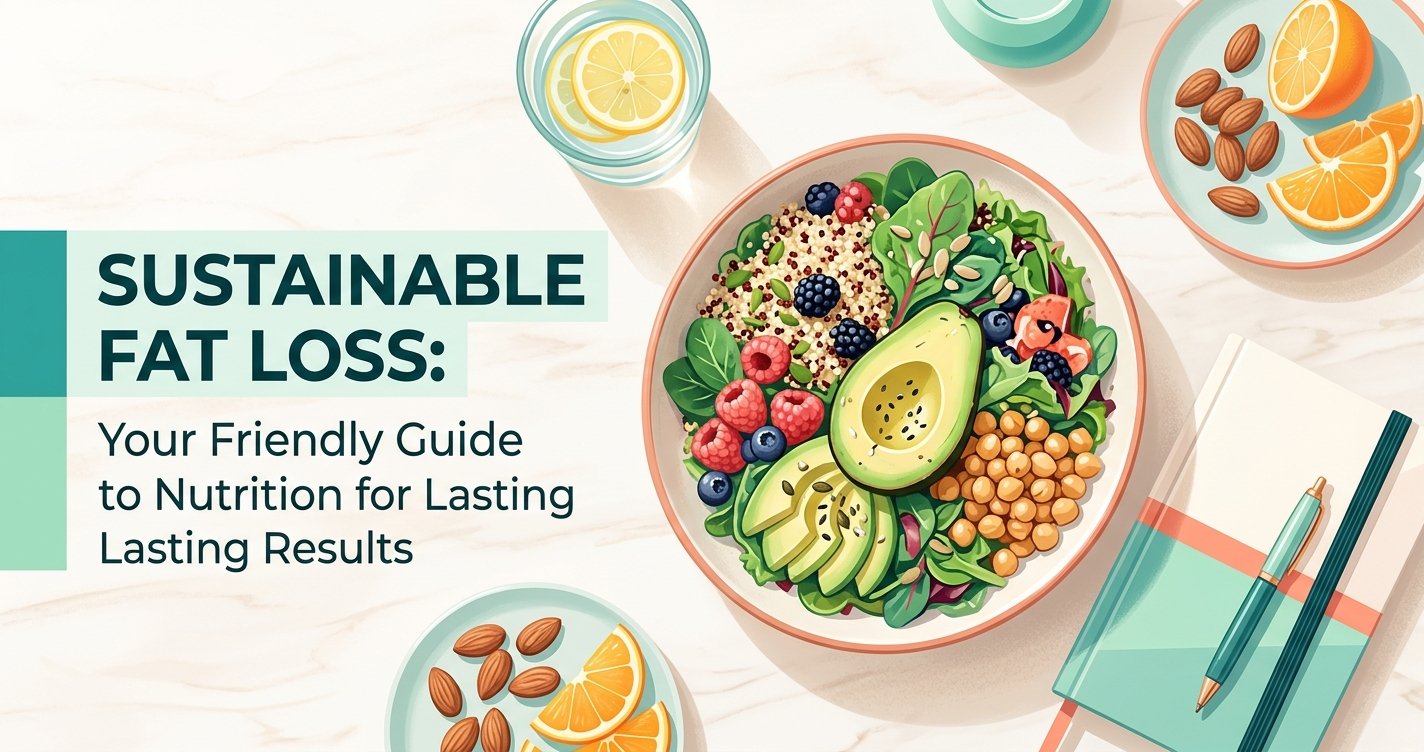
Tired of the endless cycle of restrictive diets, quick fixes, and the inevitable rebound? You’re not alone. The journey to fat loss can feel overwhelming, especially with so much conflicting information out there. But what if we told you that sustainable fat loss isn't about deprivation, but about smart, consistent, and enjoyable nutritional choices? It’s time to ditch the fad diets and embrace an evidence-based approach that actually works – for life.
This friendly guide will walk you through the core principles of nutrition for lasting fat loss. We’ll explore how to fuel your body intelligently, preserve muscle, boost your metabolism, and cultivate habits that support your goals without sacrificing your favorite foods entirely. Get ready to transform your understanding of food and unlock a healthier, happier you! this excellent wellness product
Why Fad Diets Fail (And What Works Instead)
Before we dive into what to do, let’s briefly touch upon why many popular diets fall short. Extreme calorie restriction, eliminating entire food groups, or relying on shakes and supplements often lead to rapid initial weight loss, but they are rarely sustainable. These approaches can deplete essential nutrients, slow your metabolism, trigger intense cravings, and ultimately lead to frustration and regaining the lost weight (and sometimes more!).
The secret to sustainable fat loss isn't a secret at all: it's about creating a lifestyle change. This means adopting nutritional strategies that you can maintain long-term, enjoying a variety of foods, and understanding how your body truly works. Our focus here is on building healthy habits that integrate seamlessly into your life, making your fat loss journey a positive and empowering experience.
The Foundation: Understanding Your Calorie Deficit (Without Starving!)
At its core, fat loss boils down to one fundamental principle: consuming fewer calories than your body burns. This is known as a calorie deficit. Think of your body as a car: if you put less fuel in than you use for driving, you’ll eventually run out. For your body, running out of 'fuel' means tapping into stored energy – your fat reserves.
But here’s the crucial part: a calorie deficit doesn't mean starvation. A moderate deficit (typically 300-500 calories below your daily maintenance needs) is enough to promote steady fat loss without triggering extreme hunger, energy crashes, or metabolic slowdown. You can estimate your daily calorie needs using online calculators (searching for 'TDEE calculator'), then subtract 300-500 calories to find your target. Remember, this is a starting point, and your body will tell you what feels right.
Powering Up with Protein: Your Fat Loss MVP
If there’s one macronutrient that deserves superstar status in your fat loss journey, it’s protein. Here’s why:
- Satiety Powerhouse: Protein is incredibly filling. Including adequate protein in your meals helps you feel fuller for longer, reducing overall calorie intake and curbing those pesky cravings.
- Muscle Preservation: When you're in a calorie deficit, your body can sometimes break down muscle along with fat. Sufficient protein intake helps protect your precious muscle mass, which is crucial for maintaining a healthy metabolism.
- Thermic Effect of Food (TEF): Protein has a higher TEF than carbs or fats. This means your body expends more energy (calories) digesting and metabolizing protein, giving you a slight metabolic boost.
Aim for a protein source at every meal. Excellent options include lean meats (chicken, turkey, lean beef), fish, eggs, Greek yogurt, cottage cheese, legumes (beans, lentils), tofu, and protein powder.
The Truth About Carbs and Fats: Not the Enemy!
Carbohydrates and fats have often been demonized in the diet world, but both are essential for your health and can absolutely be part of a successful fat loss strategy. It’s all about choosing the right types and managing portions.
Smart Carb Choices for Energy & Fiber
Carbohydrates are your body's primary energy source. Cutting them out entirely can leave you feeling sluggish, irritable, and lead to nutrient deficiencies. The key is to choose complex carbohydrates over refined ones.
- Complex Carbs: Found in whole grains (oats, brown rice, quinoa, whole wheat bread), fruits, and vegetables. They are rich in fiber, which aids digestion, promotes satiety, and helps regulate blood sugar levels.
- Refined Carbs: Found in white bread, pastries, sugary drinks, and processed snacks. These offer little nutritional value, cause rapid blood sugar spikes, and contribute to cravings.
Focus on getting your carbs from whole, unprocessed sources, especially those rich in fiber. These will keep you energized and satisfied.
Healthy Fats: Essential for Hormones & Satiety
Fats are vital for hormone production, nutrient absorption (especially fat-soluble vitamins A, D, E, K), and providing sustained energy. While fats are calorie-dense, healthy fats are crucial for overall well-being and can contribute to satiety.
- Healthy Fats: Found in avocados, nuts, seeds, olive oil, fatty fish (salmon, mackerel), and nut butters. These are rich in monounsaturated and polyunsaturated fats, including essential omega-3s.
- Unhealthy Fats: Primarily saturated and trans fats found in processed foods, fried items, and some animal products. Limit these for better health.
Incorporate healthy fats in moderation. A small handful of nuts, a quarter of an avocado, or a tablespoon of olive oil can add flavor, satiety, and essential nutrients to your meals.
Beyond Macros: Hydration, Fiber, and Micronutrients
While protein, carbs, and fats (macros) are crucial, don't overlook the supporting cast that plays a massive role in your health and fat loss journey:
- Hydration is Key: Drinking enough water is often underestimated. It helps with metabolism, nutrient transport, and can even aid in satiety. Often, what feels like hunger is actually thirst. Aim for at least 8 glasses of water a day, more if you're active.
- Fiber-Rich Foods: We've touched on fiber's role in satiety and blood sugar, but it also supports a healthy gut microbiome, which is increasingly linked to weight management and overall health. Load up on fruits, vegetables, legumes, and whole grains.
- Micronutrient Power: Vitamins and minerals (micronutrients) are essential for thousands of bodily functions, including energy production and metabolism. A diet rich in a variety of colorful fruits and vegetables ensures you're getting a broad spectrum of these vital nutrients.
Building Sustainable Habits: Practical Tips for Long-Term Success
Knowledge is power, but consistent action is what drives results. Here are some practical tips to help you build lasting habits:
- Meal Prep for Success: Dedicate a few hours each week to planning and preparing some of your meals and snacks. This reduces decision fatigue and ensures you have healthy options readily available, preventing impulsive, less healthy choices.
- Practice Mindful Eating: Slow down and pay attention to your food. Savor each bite, notice the flavors and textures, and listen to your body's hunger and fullness cues. This helps prevent overeating and enhances your enjoyment of food.
- Portion Control Awareness: You don't need to meticulously track every calorie forever, but understanding appropriate portion sizes is empowering. Use smaller plates, measure out calorie-dense foods initially, and learn to eyeball reasonable servings.
- Prioritize Sleep: Adequate sleep (7-9 hours) is critical for hormone balance, appetite regulation, and energy levels. Poor sleep can increase hunger hormones and make cravings harder to resist.
- Patience and Consistency: Fat loss is a marathon, not a sprint. There will be good days and challenging days. The key is consistency over perfection. Don't let one 'off' meal derail your entire week. Get back on track with your next meal.
Putting It All Together: Your Action Plan
Embarking on a sustainable fat loss journey can feel like a big step, but remember, small consistent changes lead to big results. Here’s a simple action plan to get you started:
- Start Small: Don't overhaul everything at once. Pick one or two areas to focus on first, like adding more protein to your breakfast or drinking more water.
- Focus on Whole Foods: Prioritize lean proteins, fruits, vegetables, whole grains, and healthy fats.
- Mind Your Portions: Be aware of how much you're eating, especially with calorie-dense foods.
- Stay Hydrated: Make water your primary beverage.
- Be Patient & Kind to Yourself: Celebrate small victories and learn from setbacks. This is a journey of self-improvement, not self-punishment.
Conclusion
Sustainable fat loss isn't about chasing a number on the scale; it's about nurturing your body with wholesome foods, building healthy habits, and feeling your best from the inside out. By focusing on smart nutrition, understanding your body's needs, and cultivating a positive mindset, you can achieve lasting results that go far beyond just losing weight. You'll gain energy, confidence, and a healthier relationship with food. You have the power to make these changes – start today, one delicious, nourishing meal at a time!