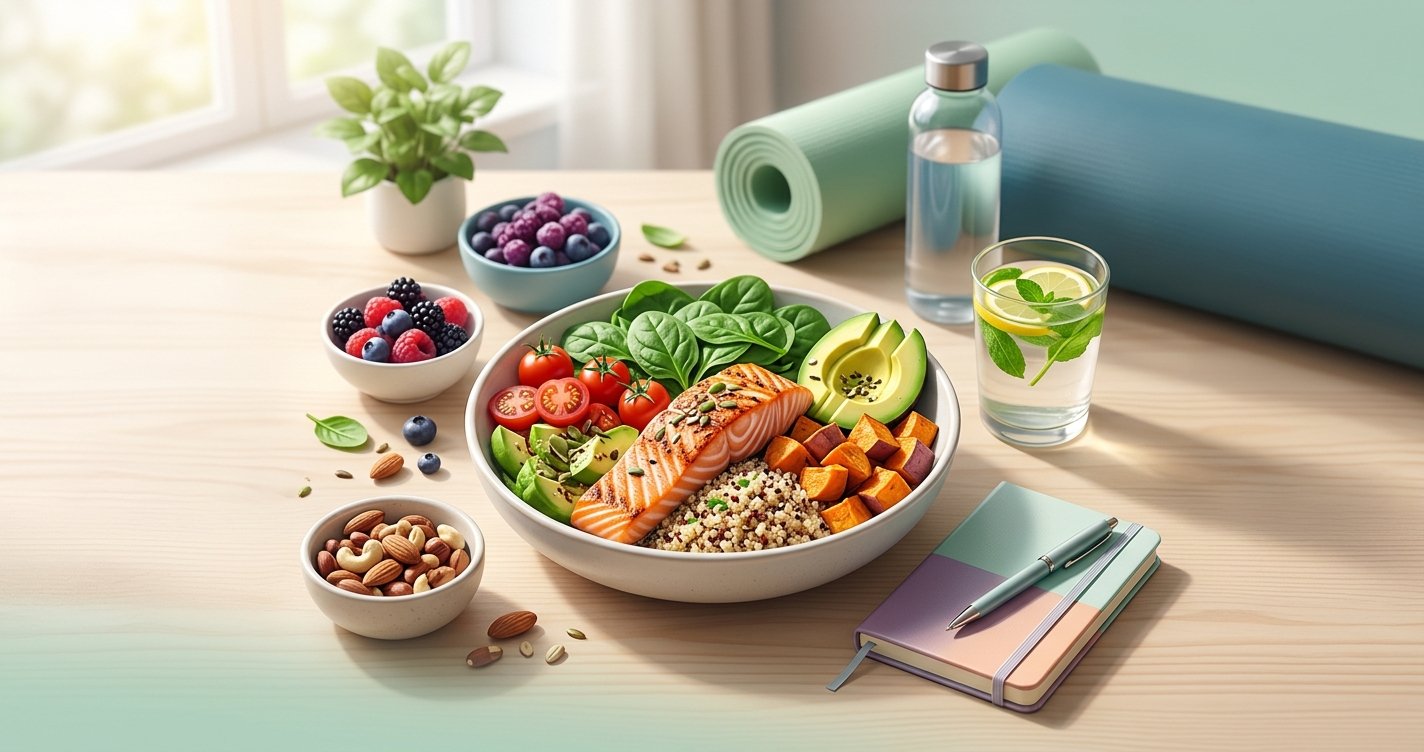
Embarking on a fat loss journey can feel like navigating a maze, often filled with conflicting advice, restrictive diets, and the pressure of the scale. But what if we told you that achieving your fat loss goals doesn't have to be a battle of willpower or a cycle of deprivation? The secret lies not in extreme measures, but in adopting smart, sustainable nutrition strategies that work with your body, not against it.
This isn't about quick fixes or fad diets. It's about building a foundation of evidence-based habits that not only help you shed unwanted fat but also improve your overall health, energy, and relationship with food for the long haul. Get ready to ditch the diet mentality and embrace a powerful, encouraging, and truly sustainable path to fat loss. this excellent wellness product
Understanding the Core: Calorie Deficit, Not Starvation
At its heart, fat loss boils down to a fundamental principle: consuming fewer calories than your body expends. This is known as a calorie deficit. However, the term 'calorie deficit' often conjures images of hunger and deprivation. This couldn't be further from the truth when approached intelligently.
A healthy, sustainable calorie deficit means reducing your caloric intake just enough to encourage your body to tap into its fat stores for energy, without compromising your energy levels, nutrient intake, or metabolic health. This isn't about starving yourself; it's about making smarter food choices that provide satiety and essential nutrients while keeping your overall energy intake in check. Think nutrient-dense foods that fill you up without packing excessive calories.
- Estimate Your Needs: Use online calculators as a starting point to estimate your Basal Metabolic Rate (BMR) and Total Daily Energy Expenditure (TDEE).
- Gentle Reduction: Aim for a modest deficit of 300-500 calories per day. This allows for steady, sustainable fat loss (typically 1-2 pounds per week) without drastic side effects.
- Listen to Your Body: Pay attention to hunger cues, energy levels, and mood. Adjust your intake as needed.
The Power of Protein: Your Fat Loss Ally
If there's one macronutrient that deserves special attention for sustainable fat loss, it's protein. Protein plays several crucial roles that make it an invaluable tool in your nutritional arsenal:
- Satiety Superstar: Protein is incredibly filling. Including adequate protein at each meal helps you feel fuller for longer, reducing the likelihood of overeating and snacking on less healthy options.
- Muscle Preservation: When you're in a calorie deficit, your body might break down muscle tissue for energy in addition to fat. A higher protein intake helps preserve lean muscle mass, which is vital for maintaining a healthy metabolism. More muscle means your body burns more calories at rest!
- Thermic Effect of Food (TEF): Protein has a higher TEF than carbohydrates or fats. This means your body expends more energy (calories) digesting and metabolizing protein than it does for other macronutrients. It's a small but significant boost to your daily calorie expenditure.
Actionable Tip: Aim for 0.7-1 gram of protein per pound of body weight (or 1.6-2.2 grams per kilogram) daily, distributed across your meals. Excellent sources include lean meats, poultry, fish, eggs, dairy, legumes, and plant-based protein powders.
Carbohydrates & Fats: Quality Over Quantity
Often demonized in various diet trends, carbohydrates and fats are essential macronutrients that fuel your body, support hormone production, and facilitate nutrient absorption. The key for fat loss is focusing on quality and appropriate portions.
Smart Carbohydrate Choices
Not all carbs are created equal. For fat loss, prioritize complex carbohydrates:
- Fiber-Rich Powerhouses: Whole grains (oats, quinoa, brown rice), fruits, and vegetables are packed with fiber. Fiber adds bulk to your meals, promotes satiety, aids digestion, and helps regulate blood sugar levels, preventing energy crashes and cravings.
- Energy for Activity: Carbohydrates are your body's primary energy source. Consuming them pre and post-workout can optimize performance and recovery, supporting your physical activity goals.
Actionable Tip: Limit refined carbohydrates like sugary drinks, white bread, and pastries, which offer little nutritional value and can lead to energy spikes and crashes. Focus on whole, unprocessed sources.
Embracing Healthy Fats
Fats are vital for hormone production, nutrient absorption (especially fat-soluble vitamins A, D, E, K), and overall cellular function. They also contribute to satiety.
- Unsaturated is Key: Incorporate healthy unsaturated fats found in avocados, nuts, seeds, olive oil, and fatty fish (like salmon). These fats support heart health and can help you feel satisfied after meals.
- Portion Control: While healthy, fats are calorie-dense. Be mindful of portion sizes. A small handful of nuts or a drizzle of olive oil is often sufficient.
Actionable Tip: Avoid trans fats (found in many processed foods) and limit excessive saturated fats. Balance is crucial.
Mindful Eating: Reconnecting with Your Body's Signals
Nutrition for fat loss isn't just about what you eat, but also how you eat. Mindful eating is a powerful practice that can transform your relationship with food and significantly aid your fat loss journey.
- Tune into Hunger and Fullness Cues: Before eating, ask yourself, 'Am I truly hungry?' During a meal, eat slowly, savor each bite, and pause to check in with your body's signals. Stop when you feel comfortably satisfied, not stuffed.
- Eliminate Distractions: Put away your phone, turn off the TV, and focus on your meal. This allows you to truly experience the food and recognize when you've had enough.
- Identify Triggers: Are you eating out of boredom, stress, or emotion? Mindful eating helps you identify these non-hunger triggers and develop healthier coping mechanisms.
Actionable Tip: Try eating one meal a day in complete silence, focusing solely on the taste, texture, and smell of your food. This practice can dramatically increase your awareness.
Hydration and Nutrient Density: The Unsung Heroes
Two often-overlooked components of sustainable fat loss are adequate hydration and a focus on nutrient-dense foods.
The Power of Water
Water is essential for virtually every bodily function, including metabolism. Dehydration can sometimes be mistaken for hunger, leading to unnecessary snacking.
- Boost Metabolism: Studies suggest that drinking water can temporarily increase your metabolic rate.
- Satiety Aid: Drinking a glass of water before meals can help fill you up, potentially reducing overall calorie intake.
- Energy and Focus: Proper hydration keeps your energy levels up and helps you feel better overall, making it easier to stick to your fat loss plan.
Actionable Tip: Aim for 8-10 glasses of water daily. Keep a water bottle handy and sip throughout the day.
Prioritizing Nutrient Density
Nutrient-dense foods provide a high amount of vitamins, minerals, fiber, and other beneficial compounds relative to their calorie content. Examples include fruits, vegetables, lean proteins, and whole grains.
By focusing on these foods, you ensure your body gets the essential nutrients it needs to function optimally, even in a calorie deficit. This prevents nutrient deficiencies that can lead to cravings, low energy, and hinder your fat loss progress.
Meal Planning & Preparation: Your Roadmap to Success
Consistency is key for sustainable fat loss, and nothing supports consistency like effective meal planning and preparation.
- Plan Your Week: Dedicate some time each week to plan your meals and snacks. This helps you make healthier choices and reduces the stress of last-minute decisions.
- Smart Grocery Shopping: Create a grocery list based on your meal plan. Stick to the perimeter of the supermarket where fresh produce, lean proteins, and dairy are typically found.
- Batch Cooking: Prepare larger quantities of healthy staples like cooked grains, roasted vegetables, or grilled chicken/fish. This saves time during busy weekdays and ensures you always have nutritious options readily available.
- Healthy Snacks: Keep pre-portioned healthy snacks (e.g., Greek yogurt, fruit, nuts, vegetable sticks with hummus) on hand to avoid reaching for highly processed alternatives when hunger strikes.
Actionable Tip: Start small. Plan just 2-3 dinners for the week, or prep your breakfasts and lunches for a couple of days. Gradually increase as you get comfortable.
Navigating Challenges: Consistency, Patience, and Self-Compassion
Fat loss is a journey, not a race. There will be days when you feel motivated and days when you struggle. This is normal! Sustainable fat loss isn't about perfection; it's about consistency over time and learning to navigate bumps in the road.
- Embrace Progress, Not Perfection: Don't let one 'off' meal or day derail your entire effort. Get back on track with your next meal.
- Patience is a Virtue: Real, lasting fat loss takes time. Celebrate small victories and understand that plateaus are a normal part of the process. Your body is adapting, and sometimes you just need to stick with it or make minor adjustments.
- Practice Self-Compassion: Be kind to yourself. Fat loss isn't just physical; it's also mental and emotional. Treat yourself with the same encouragement and understanding you'd offer a friend.
- Seek Support: Share your goals with a supportive friend, family member, or a health professional. Accountability can be a powerful motivator.
Sustainable fat loss through smart nutrition is about empowering yourself with knowledge, building healthy habits, and fostering a positive relationship with food and your body. It’s a journey of self-discovery that leads not just to a leaner physique, but to greater vitality, energy, and overall well-being. You have the power to make these lasting changes, one smart nutritional choice at a time. Embrace the process, be patient with yourself, and enjoy the incredible benefits of a nourished, healthier you!