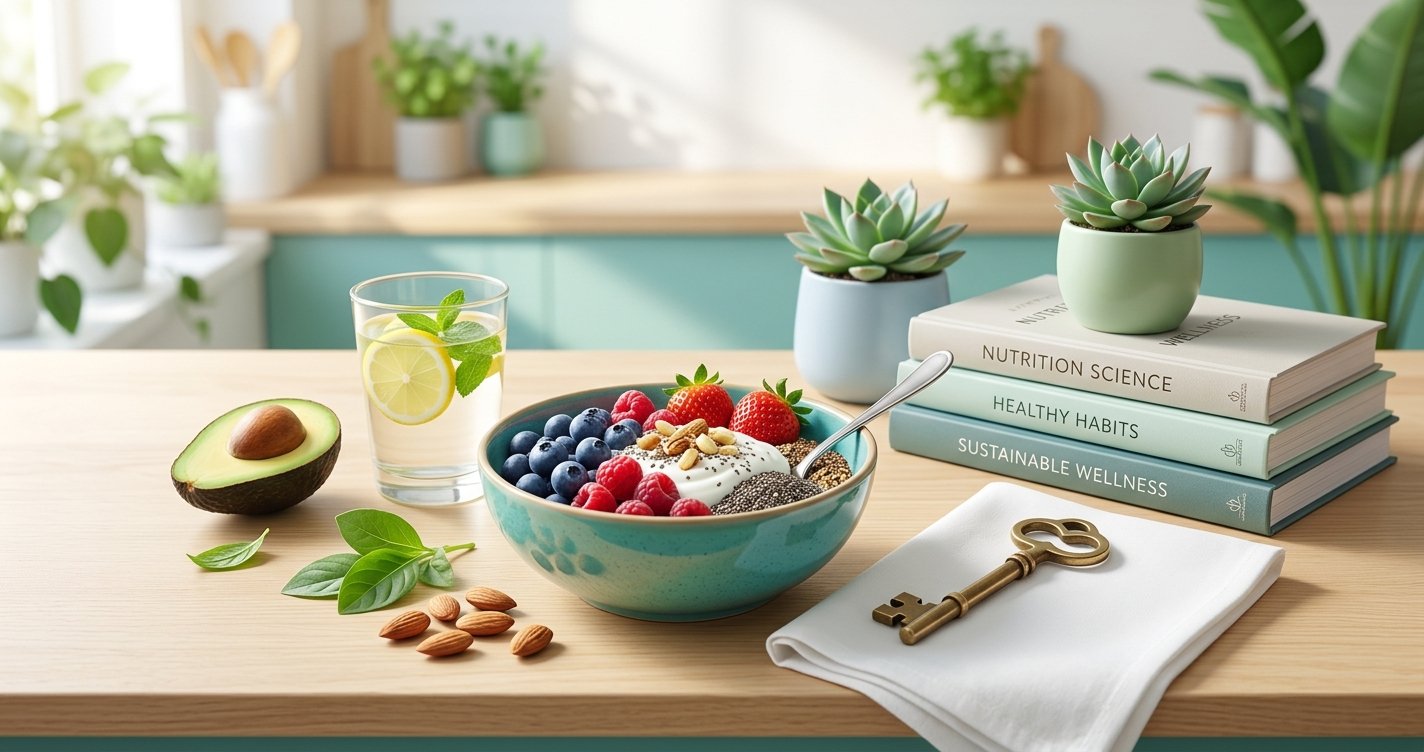
Are you tired of the endless cycle of restrictive diets, quick fixes, and the inevitable rebound? You're not alone. Many people embark on a fat loss journey with high hopes, only to be met with frustration and unsustainable results. But what if there was a better way? A way that focuses not just on shedding pounds, but on building lasting habits, enjoying food, and nourishing your body for the long haul?
This isn't another fad diet manifesto. This is your evidence-based, encouraging guide to understanding the core principles of sustainable fat loss through smart nutrition. We'll ditch the deprivation and embrace a balanced approach that helps you achieve your goals and maintain them, for good. this excellent wellness product
Why Fad Diets Fail (And What Works Instead)
The diet industry is a multi-billion dollar behemoth, constantly peddling the next 'miracle' solution. From extreme low-carb to juice cleanses, these diets often promise rapid results by drastically cutting out entire food groups or severely restricting calories. While you might see initial weight loss, the science is clear: they rarely work in the long term.
The Pitfalls of Extreme Restriction
- Nutrient Deficiencies: Eliminating whole food groups can lead to a lack of essential vitamins, minerals, and fiber.
- Metabolic Slowdown: Severe calorie restriction can signal your body to conserve energy, making fat loss harder and potentially slowing your metabolism.
- Cravings and Binges: Deprivation often leads to intense cravings, which can trigger cycles of overeating and guilt.
- Social Isolation: Strict diets can make social eating difficult and isolating, impacting your mental well-being.
- Unsustainability: Most people simply cannot adhere to extreme diets for more than a few weeks or months, leading to a return to old habits and weight regain.
Shifting Your Mindset: From Short-Term Fix to Long-Term Health
True sustainable fat loss isn't about a diet; it's about a lifestyle evolution. It's a shift from 'what can I cut out?' to 'what can I add in for better health?' It's about empowering yourself with knowledge, making informed choices, and fostering a positive relationship with food and your body.
The Core Principles of Sustainable Fat Loss Nutrition
At its heart, sustainable fat loss is surprisingly simple, built upon a few fundamental, evidence-backed principles. Forget the complicated rules; focus on these pillars.
Calorie Deficit: The Non-Negotiable Foundation
Regardless of what diet gurus might tell you, the scientific truth remains: to lose fat, you must consume fewer calories than your body burns. This is known as a calorie deficit. Think of calories as units of energy. If you consistently provide your body with less energy than it needs, it will start to tap into stored energy – your body fat – to make up the difference.
How to achieve it sustainably? Not by starvation! Focus on:
- Reducing portion sizes slightly.
- Swapping high-calorie, low-nutrient foods for lower-calorie, nutrient-dense options.
- Being mindful of liquid calories (sugary drinks, excessive alcohol).
Prioritizing Protein: Your Satiety & Muscle Ally
Protein is a superpower when it comes to fat loss. Here's why:
- Satiety: Protein keeps you feeling fuller for longer, reducing overall calorie intake.
- Thermogenic Effect: Your body burns more calories digesting protein than fats or carbs.
- Muscle Preservation: When you're in a calorie deficit, adequate protein intake helps preserve precious muscle mass, which is crucial for a healthy metabolism.
Aim to include a good source of lean protein at every meal: chicken breast, fish, eggs, Greek yogurt, tofu, lentils, beans, etc.
Embracing Whole Foods: Fiber, Nutrients, and Flavor
Think vibrant, colorful, and straight from nature. Whole, unprocessed foods are your best friends. They are typically:
- Nutrient-Dense: Packed with vitamins, minerals, and antioxidants essential for overall health.
- High in Fiber: Fiber aids digestion, promotes satiety, and helps regulate blood sugar levels.
- Naturally Lower in Calories: Compared to their processed counterparts, whole foods often provide more volume for fewer calories.
Fill your plate with fruits, vegetables, whole grains (oats, brown rice, quinoa), lean proteins, and healthy fats (avocado, nuts, seeds, olive oil).
The Power of Hydration
Water is often overlooked but plays a vital role in fat loss. Staying well-hydrated can:
- Help you feel fuller, potentially reducing snack cravings.
- Support metabolism and energy levels.
- Aid in nutrient transport and waste removal.
Aim for at least 8 glasses of water a day, more if you're active.
Practical Strategies for Everyday Success
Knowing the principles is one thing; applying them consistently is another. Here are actionable strategies to integrate sustainable nutrition into your daily life.
Meal Planning & Preparation: Your Secret Weapon
Failing to plan is planning to fail, especially with nutrition. Dedicate some time each week to:
- Plan your meals: Decide what you'll eat for breakfast, lunch, dinner, and snacks.
- Grocery shop strategically: Buy ingredients for your planned meals, avoiding impulse buys.
- Prep ahead: Wash and chop veggies, cook a batch of grains or protein, portion out snacks. This saves time and makes healthy choices easier during busy weeknights.
Mindful Eating: Reconnecting with Hunger & Fullness
In our fast-paced world, eating often becomes a mindless activity. Mindful eating encourages you to:
- Pay attention to your body's signals: Eat when you're truly hungry, stop when you're comfortably full.
- Slow down: Savor each bite, chew thoroughly, and put your fork down between mouthfuls.
- Eliminate distractions: Turn off the TV, put away your phone, and focus on your meal.
This practice helps you enjoy your food more and naturally regulate your intake.
Smart Snacking: Fueling Your Body, Not Just Your Cravings
Snacks can be part of a healthy fat loss plan, provided they're strategic. Choose snacks that are:
- Protein-rich: Greek yogurt, cottage cheese, a hard-boiled egg.
- Fiber-rich: Apple slices with peanut butter, a handful of almonds, vegetable sticks with hummus.
Avoid highly processed, sugary snacks that offer little nutrition and lead to energy crashes.
Navigating Social Situations & Eating Out
Life happens! Don't let social events derail your progress. Here are tips:
- Pre-plan: Look up restaurant menus online and decide on a healthy option beforehand.
- Portion control: Ask for a doggy bag upfront, or share an entree.
- Make smart swaps: Opt for grilled instead of fried, dressing on the side, extra veggies instead of fries.
- Mindful drinking: Be aware of calorie-dense alcoholic beverages.
Beyond the Plate: Lifestyle Factors That Support Fat Loss
Nutrition is paramount, but it's part of a larger ecosystem. Other lifestyle choices significantly impact your ability to lose fat sustainably.
The Crucial Role of Sleep
Lack of sleep messes with your hormones, specifically ghrelin (the hunger hormone) and leptin (the satiety hormone). When you're sleep-deprived, ghrelin increases, making you hungrier, while leptin decreases, making it harder to feel full. Aim for 7-9 hours of quality sleep per night.
Managing Stress for Better Results
Chronic stress elevates cortisol levels, a hormone that can promote fat storage, especially around the belly. Find healthy ways to manage stress: meditation, yoga, spending time in nature, hobbies, or talking to a friend.
Incorporating Movement (It's Not Just About Diet!)
While fat loss is largely driven by nutrition, physical activity plays a crucial supporting role. It burns calories, builds muscle (which boosts metabolism), improves mood, and enhances overall health. Find activities you enjoy, whether it's walking, dancing, lifting weights, or cycling. Consistency is key.
Building Habits That Last: Consistency Over Perfection
Sustainable fat loss isn't about being perfect; it's about being consistent. There will be days when you slip up, and that's okay. The key is how you respond.
Small Changes, Big Impact
Don't try to overhaul everything at once. Pick one or two small, actionable changes you can realistically stick to (e.g., adding a serving of vegetables to every meal, drinking water before each meal). Once those become habits, add another.
Tracking Progress (Beyond the Scale)
The scale is just one metric. Also consider:
- How your clothes fit.
- Your energy levels.
- Your mood and sleep quality.
- Strength gains in the gym.
- Body measurements.
These non-scale victories can be incredibly motivating.
Bouncing Back from Setbacks
Acknowledge the setback, learn from it, and get back on track with your next meal or workout. Don't let one 'off' day turn into a week or a month. Self-compassion is vital for long-term success.
Your Journey to Sustainable Fat Loss Starts Now
Sustainable fat loss isn't a race; it's a journey towards a healthier, happier you. By focusing on evidence-based nutrition principles – a moderate calorie deficit, plenty of protein and whole foods, and good hydration – combined with supportive lifestyle habits, you can achieve lasting results.
Remember, this is about progress, not perfection. Be patient, be kind to yourself, and celebrate every small victory along the way. Your body will thank you. Ready to ditch the diet mentality and embrace a life of nourishing, sustainable health? Start with one small change today!