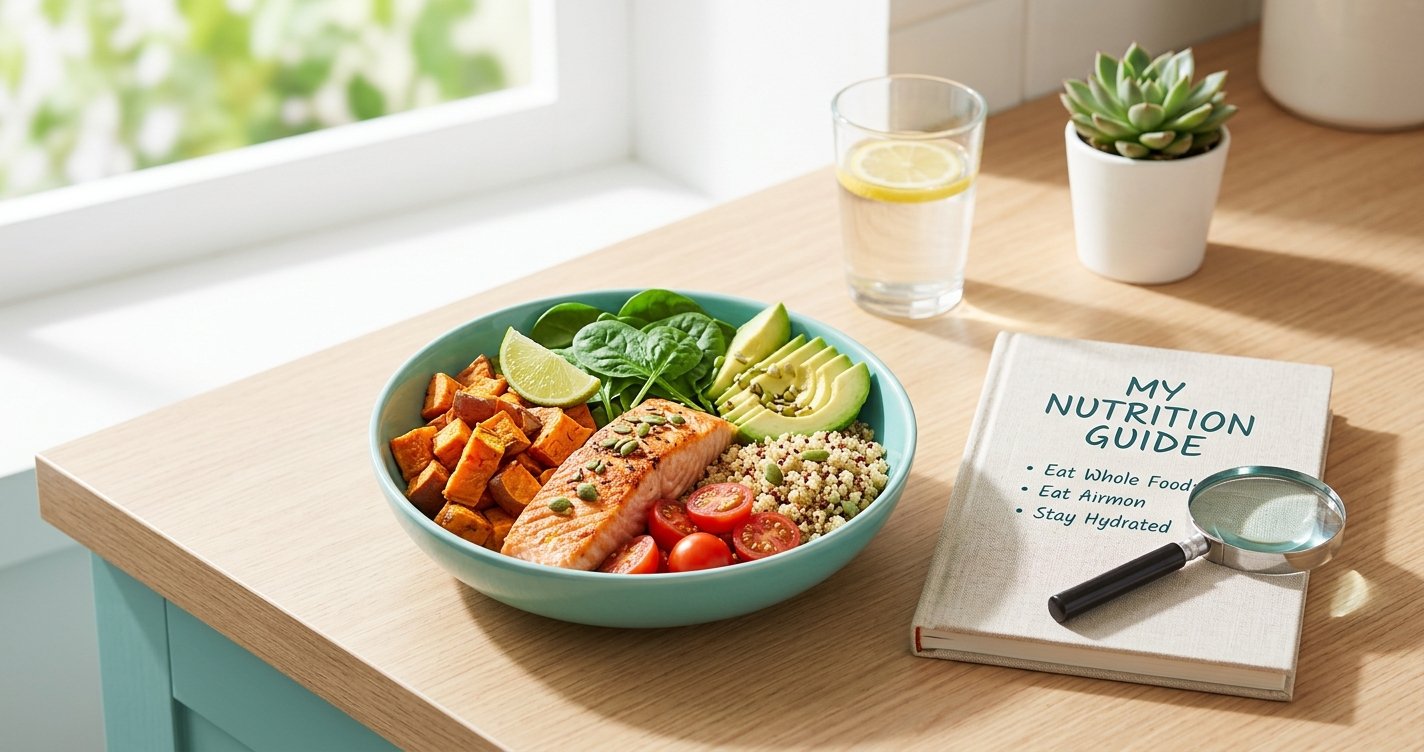
Are you tired of the endless cycle of restrictive diets, quick fixes, and the frustration of losing weight only to gain it back? You're not alone. Many people embark on a fat loss journey with the best intentions, only to find themselves overwhelmed by conflicting advice and unsustainable methods. But what if there was a better way? A path rooted in science, designed for longevity, and actually enjoyable?
This guide is your friendly, evidence-based roadmap to achieving sustainable fat loss through smart nutrition. We're not talking about deprivation or extreme measures. Instead, we'll focus on practical strategies that nourish your body, boost your metabolism, and help you build habits that last a lifetime. Get ready to transform your relationship with food and unlock the healthy, vibrant you! this excellent wellness product
The Foundation: Understanding the Calorie Deficit (Without Obsession)
Let's start with the absolute bedrock of fat loss: the calorie deficit. Simply put, to lose fat, you need to consume slightly fewer calories than your body burns over time. Think of it like a budget: if you spend less than you earn, you build savings. In this case, your body taps into its fat stores for energy.
While the calorie deficit is non-negotiable, our approach to it is. This isn't about meticulously counting every single calorie or feeling perpetually hungry. It's about making smarter food choices that naturally lead to a deficit without you feeling deprived. Focusing on nutrient-dense, satisfying foods is the key to creating a sustainable deficit, rather than relying on extreme restriction which often backfires in the long run. We'll explore how specific food groups can help you achieve this effortlessly.
Protein Power: Your Best Friend for Fat Loss
If there's one nutrient that deserves superstar status in your fat loss journey, it's protein. Protein plays several critical roles that make it invaluable:
- Satiety: Protein is incredibly filling. Including adequate protein in your meals helps you feel fuller for longer, reducing cravings and overall calorie intake.
- Muscle Preservation: When you're in a calorie deficit, your body can sometimes break down muscle tissue for energy. Sufficient protein intake helps protect your precious muscle mass, which is crucial for maintaining a healthy metabolism.
- Thermic Effect of Food (TEF): Protein has a higher TEF than carbs or fats, meaning your body burns more calories digesting and metabolizing protein. It's a small but significant advantage!
How Much Protein Do You Need?
For fat loss, aiming for 1.6 to 2.2 grams of protein per kilogram of body weight per day is a good general guideline. Spread your protein intake throughout the day across all your meals and snacks for optimal benefits.
Excellent Protein Sources:
- Lean meats (chicken breast, turkey, lean beef)
- Fish and seafood (salmon, cod, tuna, shrimp)
- Eggs
- Dairy (Greek yogurt, cottage cheese, milk)
- Legumes (lentils, beans, chickpeas)
- Tofu and tempeh
- Protein powder (whey, casein, plant-based)
Fiber Up: The Unsung Hero of Satiety and Gut Health
Fiber is another powerhouse nutrient often overlooked in the pursuit of fat loss. It's a type of carbohydrate that your body can't digest, but it does wonders for your health and waistline:
- Increased Fullness: Fiber adds bulk to your meals, making them more satisfying and helping you feel full longer. Soluble fiber, in particular, forms a gel in your gut, slowing digestion.
- Blood Sugar Control: Fiber helps regulate blood sugar levels, preventing spikes and crashes that can lead to cravings and energy dips.
- Gut Health: Dietary fiber feeds beneficial gut bacteria, promoting a healthy microbiome, which is increasingly linked to weight management and overall well-being.
Boost Your Fiber Intake With:
- Fruits: Berries, apples, pears, oranges
- Vegetables: Broccoli, spinach, carrots, Brussels sprouts
- Whole Grains: Oats, quinoa, brown rice, whole-wheat bread
- Legumes: Beans, lentils, chickpeas
- Nuts and Seeds: Almonds, chia seeds, flax seeds
Remember to increase your fiber intake gradually and drink plenty of water to avoid digestive discomfort.
Smart Carb Choices: Fueling Your Body Wisely
Carbohydrates often get a bad rap in the fat loss world, but they are an essential energy source for your body and brain. The key is choosing the right kinds of carbs:
- Complex Carbohydrates: These are your friends! Found in whole grains, vegetables, and legumes, complex carbs are rich in fiber and nutrients. They provide a steady release of energy, keeping you fueled and satisfied without the dramatic blood sugar fluctuations.
- Simple/Refined Carbohydrates: These are found in sugary drinks, white bread, pastries, and highly processed snacks. They offer little nutritional value, cause rapid blood sugar spikes, and can lead to energy crashes and increased cravings. Limit these for optimal fat loss.
Focus on incorporating nutrient-dense complex carbs, especially around your workouts if you're active. Listen to your body and adjust your carb intake based on your activity levels and how you feel.
Healthy Fats: Essential, But Mind Your Portions
Just like carbs, fats have been demonized, but healthy fats are absolutely vital for your health. They play crucial roles in hormone production, nutrient absorption, and provide concentrated energy. Plus, they contribute to satiety, helping you feel satisfied after meals.
However, fats are calorie-dense (9 calories per gram compared to 4 for carbs and protein), so portion control is key, even with healthy sources. A little goes a long way!
Include These Healthy Fat Sources:
- Avocados
- Nuts (almonds, walnuts, cashews)
- Seeds (chia, flax, pumpkin)
- Olive oil, avocado oil
- Fatty fish (salmon, mackerel, sardines)
Aim for a balanced intake, ensuring your fats come from whole, unprocessed sources.
Hydration & Mindful Eating: Beyond the Plate
Nutrition isn't just about what you eat; it's also about how you eat and what you drink. These often-overlooked aspects can significantly impact your fat loss success:
- Hydration: Water is fundamental for every bodily function. Staying well-hydrated can help with satiety, boost metabolism, and even reduce the likelihood of mistaking thirst for hunger. Aim for at least 8 glasses of water a day, more if you're active.
- Mindful Eating: Slow down! Pay attention to your food – its taste, texture, and smell. Listen to your body's hunger and fullness cues. Eating mindfully can prevent overeating, improve digestion, and help you truly enjoy your meals. Avoid distractions like TV or your phone while eating.
Building Sustainable Habits: It's a Marathon, Not a Sprint
The journey to sustainable fat loss isn't about perfection; it's about consistency and patience. Quick fixes often lead to quick rebounds because they don't teach you how to maintain your results in the real world. Focus on making small, manageable changes that you can stick with long-term.
Celebrate small victories, learn from setbacks without self-judgment, and remember that progress isn't always linear. Building a healthy relationship with food and your body takes time, effort, and self-compassion. Embrace the process, and trust that these evidence-based strategies will guide you towards lasting results.
Conclusion: Your Path to Lasting Change
Achieving sustainable fat loss doesn't have to be a battle. By focusing on a slight calorie deficit achieved through nutrient-dense foods, prioritizing protein and fiber, making smart carb and fat choices, and practicing mindful eating and hydration, you're setting yourself up for success. This isn't a temporary diet; it's a lifestyle transformation built on solid, scientific principles. Start small, be consistent, and be kind to yourself. Your journey to a healthier, happier you begins now!