Are you tired of the endless cycle of restrictive diets, quick fixes, and the frustration of fat loss that never seems to last? You're not alone. In a world saturated with conflicting advice, it's easy to feel overwhelmed and discouraged. But what if we told you that achieving sustainable fat loss isn't about deprivation, but about smart, evidence-based nutrition strategies that work with your body, not against it?
This guide is designed to cut through the noise, offering you a friendly, encouraging, and scientifically-backed roadmap to losing fat and keeping it off. We'll explore the fundamental principles of nutrition that truly matter for fat loss, focusing on strategies that are not only effective but also enjoyable and sustainable in the long run. Let's ditch the fads and embrace a healthier, happier you! this excellent wellness product
1. The Calorie Deficit: Your Non-Negotiable Foundation for Fat Loss
Let's start with the undisputed champion of fat loss: the calorie deficit. Simply put, to lose fat, you must consume fewer calories than your body burns. It's the first law of thermodynamics in action, and no amount of 'superfoods' or 'detox teas' can bypass it. Understanding and consistently creating a moderate calorie deficit is the bedrock upon which all other fat loss strategies are built.
Understanding Your Total Daily Energy Expenditure (TDEE)
Your TDEE is the total number of calories your body burns in a day, including your basal metabolic rate (BMR), the energy used for physical activity, and the thermic effect of food. Tools like online TDEE calculators can provide a good starting estimate, but remember they are just that – estimates. Your body is unique!
How to Create a Moderate, Sustainable Deficit
Instead of drastic cuts that leave you feeling starved and deprived, aim for a moderate deficit of 300-500 calories below your TDEE. This typically results in a healthy and sustainable fat loss of 1-2 pounds per week. Gradual changes are easier to stick with and less likely to trigger metabolic adaptation or rebound weight gain. Track your food intake for a few days using an app to get an accurate picture of your current habits, then make small, manageable adjustments.
2. The Power of Protein: Your Ally for Muscle Preservation and Satiety
If the calorie deficit is the foundation, protein is the most crucial building block. Protein plays a starring role in fat loss for several compelling reasons:
- Satiety: Protein is incredibly satiating, meaning it helps you feel fuller for longer, reducing cravings and overall calorie intake.
- Muscle Preservation: When you're in a calorie deficit, your body can break down muscle tissue for energy. Adequate protein intake helps preserve lean muscle mass, which is vital for maintaining a healthy metabolism.
- Thermic Effect of Food (TEF): Protein has a higher TEF than carbohydrates or fats, meaning your body burns more calories digesting and metabolizing protein.
How Much Protein Do You Really Need?
For fat loss, aiming for 1.6-2.2 grams of protein per kilogram of body weight (or 0.7-1 gram per pound of target body weight) is a good starting point. Prioritize lean protein sources like chicken breast, turkey, fish, lean beef, eggs, Greek yogurt, cottage cheese, tofu, and lentils at every meal.
3. Fiber's Fantastic Role: Gut Health, Fullness, and Fat Loss
Often overlooked, dietary fiber is a powerful player in your fat loss journey, offering benefits that extend far beyond just keeping you regular.
The Multifaceted Benefits of Dietary Fiber
- Increased Satiety: Like protein, fiber adds bulk to your meals, making you feel fuller and more satisfied without adding many calories. Soluble fiber, in particular, forms a gel-like substance in your gut, slowing digestion.
- Improved Gut Health: A healthy gut microbiome is increasingly linked to overall health and metabolism. Fiber feeds beneficial gut bacteria, promoting a diverse and thriving gut environment.
- Blood Sugar Control: Fiber helps to slow the absorption of sugar, leading to more stable blood glucose levels and preventing energy crashes and subsequent cravings.
- Reduced Calorie Absorption: Some types of fiber can bind with fats and sugars, reducing the number of calories your body absorbs from food.
Fiber-Rich Foods to Embrace Daily
Integrate plenty of fruits, vegetables, whole grains (oats, quinoa, brown rice), legumes (beans, lentils, chickpeas), nuts, and seeds into your diet. Aim for 25-35 grams of fiber per day, gradually increasing your intake to avoid digestive discomfort.
4. Smart Carbohydrates and Healthy Fats: Fueling Your Body Wisely
Carbohydrates and fats have often been demonized in diet culture, but they are essential macronutrients. The key is choosing the right types and quantities.
Choosing Quality Carbohydrates
Carbohydrates are your body's primary energy source. Instead of refined carbs (white bread, sugary drinks, pastries), opt for complex carbohydrates that are rich in fiber and nutrients. Think whole grains, starchy vegetables (sweet potatoes, squash), and fruits. These provide sustained energy, help with satiety, and support overall health.
Don't Fear Healthy Fats
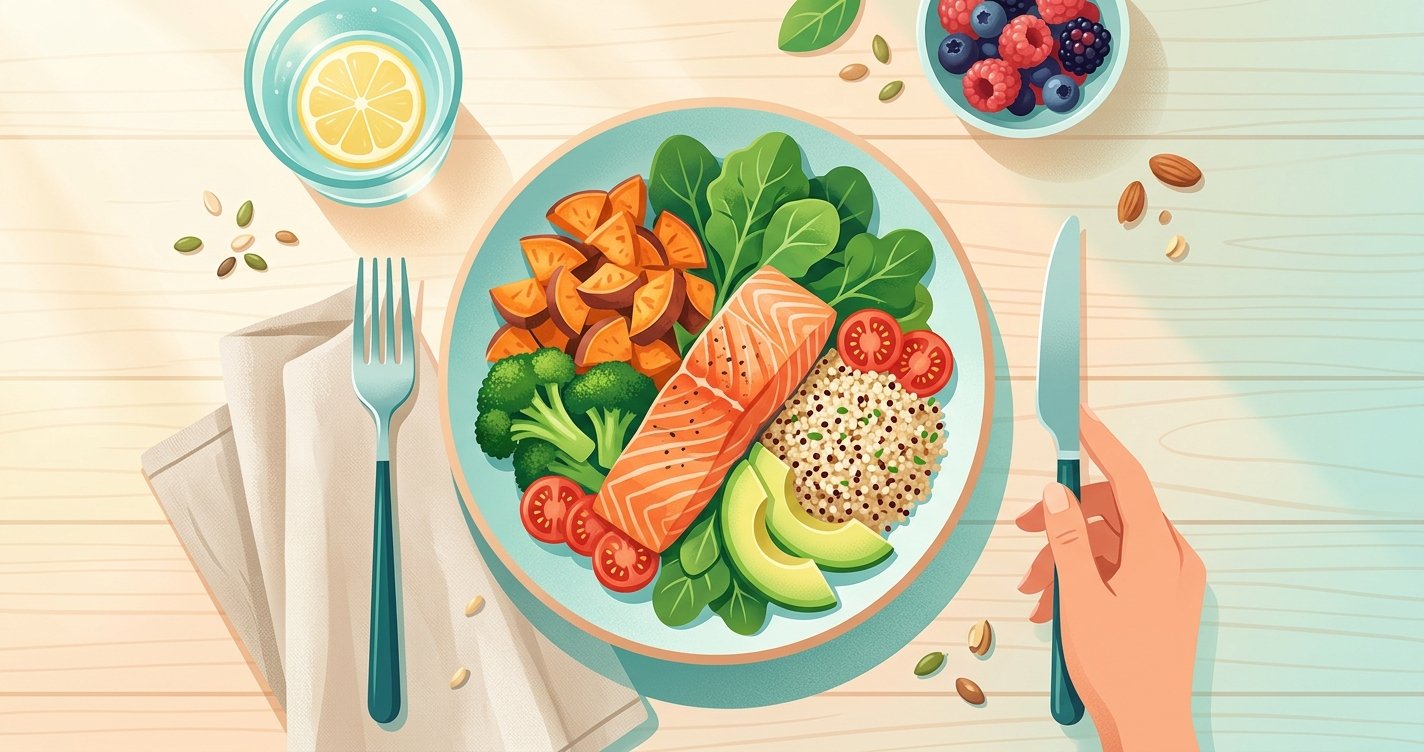
Healthy fats are crucial for hormone production, nutrient absorption, and satiety. While calorie-dense, incorporating moderate amounts of unsaturated fats from sources like avocados, nuts, seeds, olive oil, and fatty fish (salmon, mackerel) is vital. They help keep you satisfied and contribute to overall well-being. Focus on replacing unhealthy fats with healthy ones, rather than eliminating all fats.
5. Hydration and Micronutrients: The Unsung Heroes
While macronutrients (protein, carbs, fats) get most of the attention, don't underestimate the power of proper hydration and a nutrient-dense diet.
- Water, Water, Water: Drinking enough water (aim for 2-3 liters per day) is essential. It aids metabolism, helps with satiety, and ensures your body functions optimally. Sometimes, thirst can be mistaken for hunger!
- Micronutrient Density: Focus on eating a wide variety of colorful fruits and vegetables. These are packed with vitamins, minerals, and antioxidants that support metabolic health, energy levels, and overall vitality, making your fat loss journey feel better from the inside out.
6. Meal Planning and Preparation: Your Secret Weapon for Consistency
Consistency is key for sustainable fat loss, and thoughtful meal planning and preparation are your best tools to achieve it. Failing to plan is planning to fail, especially when hunger strikes and convenience foods beckon.
- Plan Your Meals: Dedicate some time each week to plan your meals and snacks. This helps you make healthier choices, ensures you meet your protein and fiber targets, and reduces impulsive unhealthy eating.
- Batch Cook: Prepare larger quantities of healthy staples like cooked chicken, roasted vegetables, quinoa, or hard-boiled eggs. This makes assembling quick, nutritious meals throughout the week incredibly easy.
- Smart Snacking: Keep healthy, pre-portioned snacks on hand, such as Greek yogurt, a handful of almonds, an apple with peanut butter, or vegetable sticks with hummus.
7. Mindset and Consistency: The Long Game to Lasting Change
Fat loss is a journey, not a destination, and cultivating the right mindset is just as important as the food on your plate. There will be good days and challenging days, but consistency over perfection is what truly counts.
- Be Patient and Kind to Yourself: Sustainable fat loss takes time. Celebrate small victories, learn from setbacks, and avoid extreme self-criticism.
- Focus on Habits, Not Just the Scale: The scale is just one metric. Pay attention to how your clothes fit, your energy levels, your strength, and your overall well-being.
- Seek Support: Share your goals with a trusted friend, family member, or consider working with a coach. Accountability and support can make a huge difference.
Embarking on a sustainable fat loss journey through smart nutrition is one of the most empowering things you can do for your health. By prioritizing a moderate calorie deficit, ample protein and fiber, quality carbohydrates and healthy fats, proper hydration, and a positive mindset, you're not just losing fat; you're building a healthier, stronger, and more vibrant you. Remember, small, consistent changes lead to monumental results. You've got this!