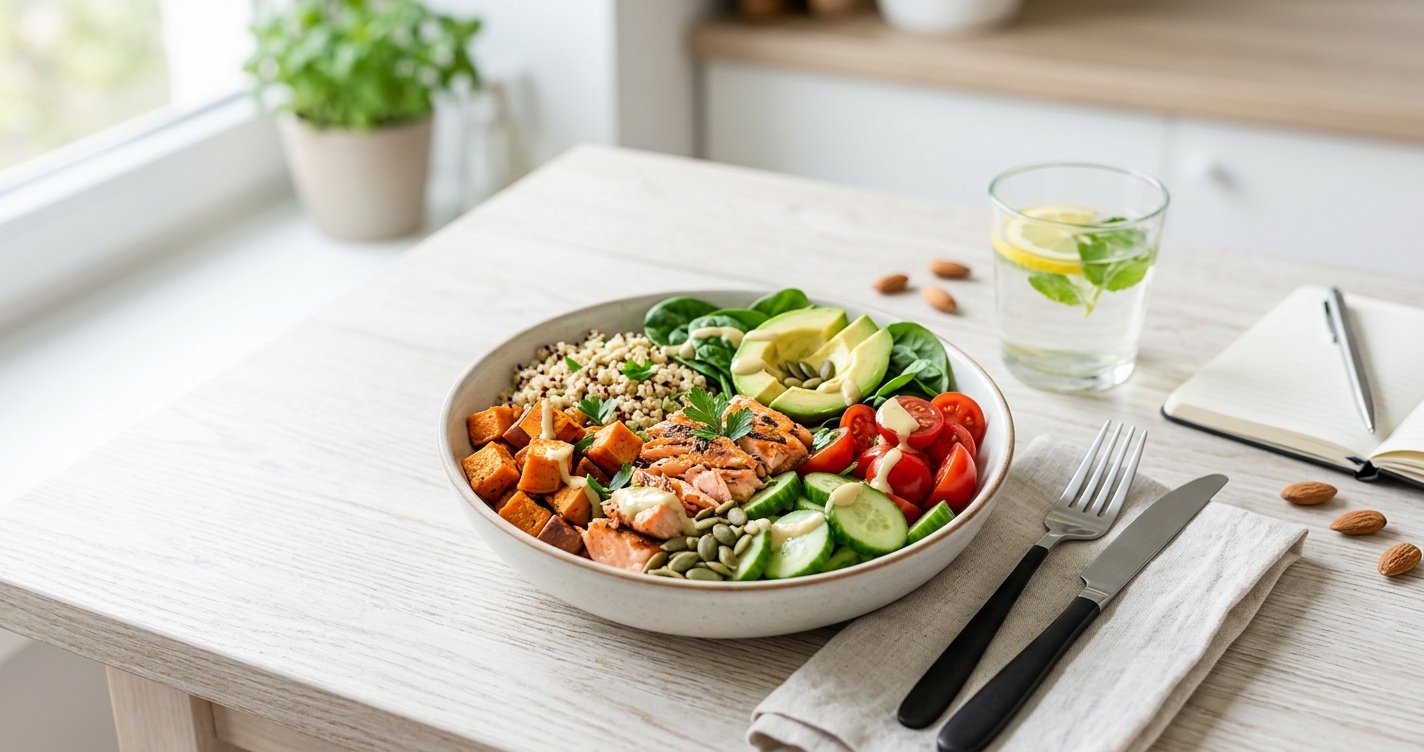
Are you tired of the endless cycle of crash diets, rapid weight loss, and then gaining it all back – and sometimes more? You’re not alone. Many people embark on fat loss journeys with the best intentions, only to find themselves frustrated by unsustainable methods and fleeting results. The good news? Sustainable fat loss isn't a myth; it's a science-backed approach that focuses on nourishing your body, building healthy habits, and making changes you can stick with for life.
This guide will equip you with the evidence-based nutrition strategies you need to achieve lasting fat loss, improve your health, and feel incredible. We’ll move beyond restrictive fads and dive into practical, friendly advice that empowers you to take control of your plate and your well-being. this excellent wellness product
Beyond Crash Diets: Why Sustainability Matters
The allure of quick fixes is strong. Diets promising dramatic weight loss in a short period often seem appealing, but they rarely deliver long-term success. Understanding why sustainability is key is the first step towards a healthier, happier you.
The Yo-Yo Trap: What Goes Up Must Come Down
Extreme calorie restriction or eliminating entire food groups might lead to initial weight loss, but it's often water weight and muscle, not just fat. These diets are notoriously difficult to maintain, leading to feelings of deprivation, cravings, and ultimately, a rebound. This 'yo-yo dieting' cycle can negatively impact your metabolism, mental health, and relationship with food, making future fat loss even harder.
Our goal isn't just to lose weight; it's to lose fat while preserving precious muscle, improve metabolic health, and foster a positive relationship with eating. Sustainable strategies focus on gradual, consistent progress that respects your body's natural rhythms and ensures you're getting all the nutrients you need.
The Science of Sustainable Change
Your body is incredibly adaptable, but it also prefers stability. When you drastically cut calories, your metabolism can slow down as a protective mechanism, making fat loss more challenging. Sustainable fat loss, however, works with your body. It involves making incremental, manageable changes to your eating habits that your body can adapt to without triggering extreme stress responses. This approach helps maintain muscle mass, supports healthy hormone function, and prevents the metabolic slowdown associated with aggressive dieting.
The Foundation: Understanding Your Calorie Deficit
At its core, fat loss boils down to one fundamental principle: consuming fewer calories than your body burns. This creates a 'calorie deficit,' forcing your body to tap into its fat stores for energy. It's not about starvation; it's about smart energy management.
Energy Balance: The Golden Rule
Think of your body as a car. Calories are its fuel. If you put in more fuel than you use, it gets stored (as fat). If you put in less fuel than you use, your car has to find alternative fuel sources (your stored fat). This isn't complicated, but it requires consistent effort and awareness.
However, simply eating less isn't the whole picture. The quality of those calories matters immensely for your health, satiety, and overall well-being during your fat loss journey. We want to create a deficit that is manageable and nutrient-rich.
How to Calculate Your Needs (Without Obsession)
You don't need to become a calorie-counting robot, but having a general idea of your daily energy needs is empowering. You can estimate your Total Daily Energy Expenditure (TDEE) using online calculators, which factor in your age, gender, height, weight, and activity level. Once you have your TDEE, aim to create a deficit of 300-500 calories per day. This moderate deficit allows for steady fat loss (typically 1-2 pounds per week) without feeling overly deprived or triggering metabolic slowdown.
Remember, these are estimates. Listen to your body, monitor your progress, and adjust as needed. The goal is consistency and gradual progress, not perfection.
Macronutrients: Fueling Your Body for Fat Loss
While a calorie deficit is paramount, the composition of those calories—your macronutrients (protein, carbohydrates, and fats)—plays a crucial role in satiety, muscle preservation, and overall health.
Protein Power: Your Fat Loss Ally
Protein is a superpower for fat loss. It's the most satiating macronutrient, meaning it keeps you feeling fuller for longer, reducing the urge to snack. Protein also has a higher thermic effect of food (TEF), meaning your body burns more calories digesting it compared to carbs or fats. Crucially, adequate protein intake is vital for preserving lean muscle mass during a calorie deficit, which helps keep your metabolism humming.
- Benefits: Increased satiety, muscle preservation, higher calorie burn during digestion.
- Sources: Lean meats (chicken, turkey), fish (salmon, tuna), eggs, Greek yogurt, cottage cheese, legumes (lentils, beans), tofu, tempeh, protein powder.
Smart Carbs: Energy for Performance
Carbohydrates often get a bad rap, but they are your body's primary energy source. The key is choosing the right kind. Focus on complex carbohydrates rich in fiber, which provide sustained energy, aid digestion, and contribute to satiety. Avoid excessive amounts of refined sugars and highly processed carbs that lead to energy crashes and promote fat storage.
- Benefits: Sustained energy, fiber for digestion, essential nutrients.
- Sources: Whole grains (oats, brown rice, quinoa, whole-wheat bread), fruits, vegetables, sweet potatoes.
Healthy Fats: Essential for Hormones and Satiety
Fats are crucial for hormone production, nutrient absorption, and providing a sense of fullness. While they are calorie-dense, incorporating healthy fats in moderation is essential for overall health and can help manage cravings. Don't fear fats; embrace the right ones!
- Benefits: Hormone regulation, nutrient absorption, increased satiety.
- Sources: Avocados, nuts (almonds, walnuts), seeds (chia, flax, pumpkin), olive oil, fatty fish (salmon, mackerel).
Beyond Macros: Whole Foods and Mindful Eating
While tracking macros can be helpful, focusing on whole, unprocessed foods and developing mindful eating habits are perhaps the most sustainable strategies for long-term success.
Embrace Whole, Unprocessed Foods
Think about what your great-grandparents ate. Mostly whole, natural foods. Prioritize foods that come from the earth or have minimal processing. These foods are typically nutrient-dense, high in fiber, and naturally lower in calories compared to their processed counterparts. They keep you feeling full and provide essential vitamins and minerals.
- Benefits: Higher nutrient density, more fiber, natural satiety, fewer unhealthy additives.
- Action: Fill your plate with plenty of vegetables, lean proteins, fruits, and whole grains. Limit ultra-processed snacks, sugary drinks, and fast food.
The Power of Mindful Eating
Mindful eating is about paying attention to your food, your body's hunger and fullness cues, and the experience of eating. In our fast-paced world, it’s easy to eat distractedly while working, watching TV, or scrolling on our phones. This often leads to overeating because we miss our body's signals of satisfaction.
Try to slow down, savor each bite, chew thoroughly, and put your fork down between mouthfuls. Ask yourself: Am I truly hungry? Am I satisfied? This practice can transform your relationship with food and naturally lead to better portion control.
Practical Strategies for Long-Term Success
Knowledge is power, but application is key. Here are some practical tips to weave these nutritional principles into your daily life.
Meal Planning and Preparation
Failing to plan is planning to fail, especially when it comes to healthy eating. Dedicate some time each week to plan your meals and snacks. This could involve grocery shopping with a list, batch cooking proteins or grains, and preparing healthy grab-and-go options. When healthy food is readily available, you're less likely to reach for less nutritious, convenient choices.
Hydration and Sleep: The Unsung Heroes
Don't underestimate the power of these two often-overlooked factors. Staying well-hydrated by drinking plenty of water throughout the day can help you feel fuller, support metabolism, and sometimes even curb what you think is hunger but is actually thirst.
Quality sleep is equally vital. Lack of sleep disrupts hormones that regulate appetite (ghrelin and leptin) and can increase cortisol, a stress hormone linked to belly fat storage. Aim for 7-9 hours of quality sleep per night to support your body's fat loss efforts.
Don't Chase Perfection, Chase Progress
Sustainable fat loss isn't about being perfect; it's about consistency and learning from setbacks. You will have days where you overeat or make less-than-ideal choices. That's okay! The key is to acknowledge it, learn from it, and get back on track with your next meal. Don't let one bad meal derail your entire week. Embrace flexibility, occasional treats, and a balanced mindset.
Your Journey to a Healthier You Starts Now
Achieving sustainable fat loss isn't a race; it's a marathon of consistent, mindful choices. By focusing on a moderate calorie deficit, prioritizing protein, choosing smart carbs and healthy fats, embracing whole foods, and practicing mindful eating, you're building a foundation for lasting health and a body you feel great in. Remember to hydrate, prioritize sleep, and be kind to yourself along the way.
Start small, make one change at a time, and celebrate your progress. Your journey to a healthier, more vibrant you begins with these sustainable steps. If you have specific health concerns or conditions, always consult with a healthcare professional or registered dietitian before making significant dietary changes.