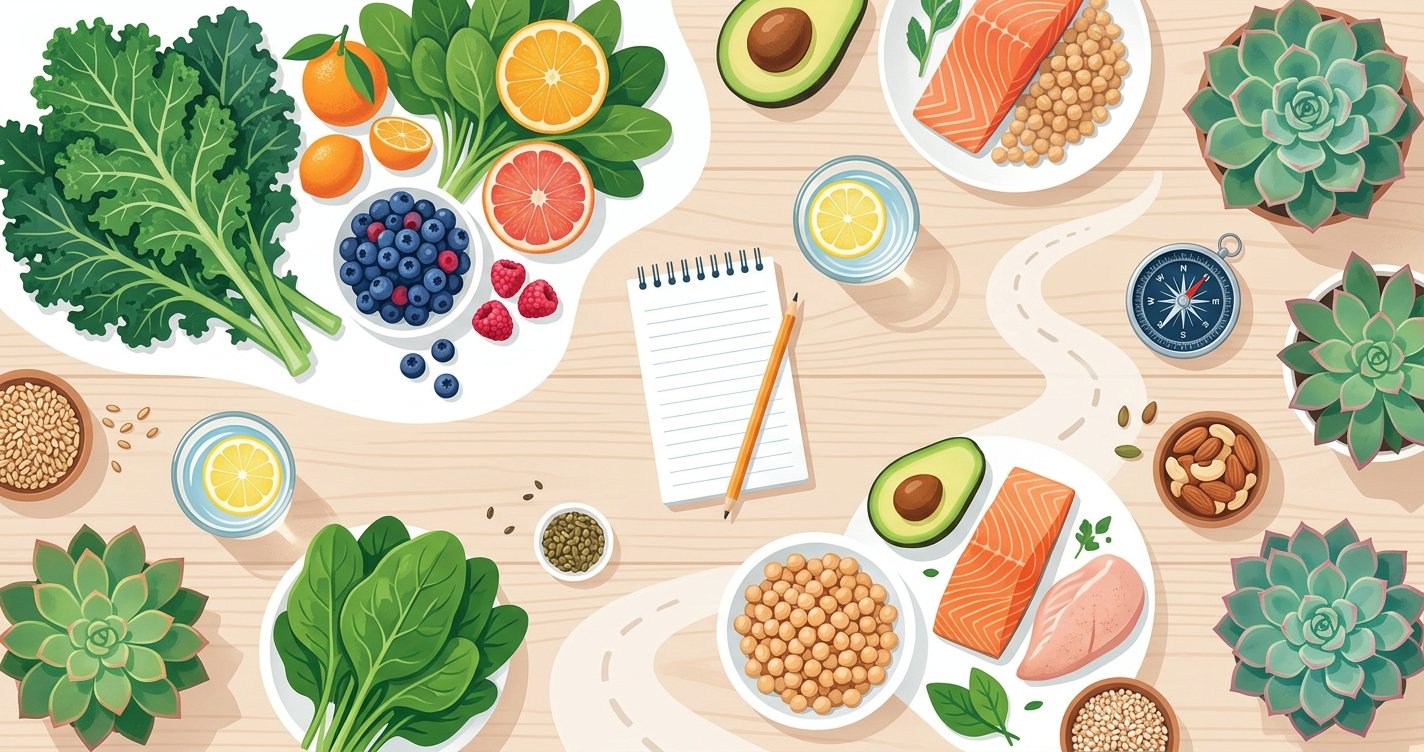
Are you tired of the endless cycle of restrictive diets, quick fixes, and the frustration of seeing the scale yo-yo? You’re not alone. Many people embark on a fat loss journey with enthusiasm, only to be met with unsustainable methods that lead to burnout, nutrient deficiencies, and ultimately, a return to old habits. But what if there was a way to achieve lasting fat loss without feeling deprived or constantly battling your cravings?
The secret lies in shifting your focus from temporary fixes to sustainable, evidence-based nutrition strategies. This isn't about rigid rules or extreme cuts; it's about building a foundation of healthy habits that nourish your body, support your metabolism, and empower you to maintain your results for the long run. Let's dive into how you can transform your approach to eating and unlock a healthier, happier you. this excellent wellness product
Why "Quick Fixes" Don't Last (and What Does!)
The allure of rapid weight loss is powerful, but often, the methods promoted for quick results are exactly what sabotage long-term success. Severely restricting calories, cutting out entire food groups, or relying on detoxes can lead to immediate drops on the scale, but these are often due to water loss or muscle depletion, not sustainable fat loss.
The Problem with Extreme Restriction
When you drastically cut calories, your body perceives it as a famine. It responds by slowing down your metabolism to conserve energy, making further fat loss harder. You might experience nutrient deficiencies, constant hunger, irritability, and a preoccupation with food. This psychological and physiological stress often leads to rebound eating, where you regain the lost weight, sometimes even more, creating a disheartening cycle known as yo-yo dieting.
The Power of Sustainability
Sustainable fat loss, on the other hand, prioritizes gradual, consistent progress. It focuses on creating a gentle calorie deficit that your body can adapt to without feeling starved, incorporating nutrient-dense foods that keep you satisfied, and building habits you can comfortably maintain for life. This approach respects your body's natural processes, preserves muscle mass, and fosters a positive relationship with food.
The Foundation: Calorie Deficit (Without Starvation)
At its core, fat loss comes down to a simple principle: consuming fewer calories than your body expends. This is known as a calorie deficit. However, the key to sustainability is creating a gentle deficit, not a drastic one.
Understanding Energy Balance
Your body uses energy (calories) for everything from breathing and digestion to exercise and maintaining body temperature. This total daily energy expenditure (TDEE) varies based on your age, sex, weight, height, and activity level. To lose fat, you need to consistently consume slightly less than your TDEE.
How to Create a Gentle Deficit
Instead of slashing hundreds of calories overnight, aim for a modest deficit of 300-500 calories per day. This amount is usually enough to promote a healthy fat loss of 1-2 pounds per week without triggering your body’s stress response or leaving you feeling constantly hungry. You can estimate your TDEE using online calculators and then subtract this amount. Initially tracking your food intake for a few days can give you valuable insight into your current calorie consumption, helping you identify areas for small, impactful changes.
Macronutrient Magic: Fueling Your Body Right
While calories are king for fat loss, the source of those calories — your macronutrients (protein, carbohydrates, and fats) — plays a crucial role in satiety, energy levels, and overall health.
Protein: Your Fat Loss Powerhouse
Protein is arguably the most important macronutrient for fat loss. It’s highly satiating, meaning it keeps you feeling full for longer, reducing the likelihood of overeating. Protein also has a higher thermic effect of food (TEF) than carbs or fats, meaning your body burns more calories digesting it. Crucially, adequate protein intake helps preserve lean muscle mass during a calorie deficit, which is vital for maintaining a healthy metabolism. Aim for 0.7-1 gram of protein per pound of body weight per day from sources like lean meats, poultry, fish, eggs, dairy, legumes, and tofu.
Smart Carbohydrates: Not the Enemy
Carbohydrates have been demonized in many diets, but they are essential for energy, brain function, and fiber intake. The key is choosing smart carbohydrates: whole, unprocessed sources that are rich in fiber. Fiber-rich carbs like whole grains, fruits, and vegetables provide sustained energy, promote digestive health, and contribute to satiety. Avoid excessive amounts of refined sugars and highly processed carbs, which can lead to energy crashes and increased hunger.
Healthy Fats: Essential for Hormones and Satiety
Fats are vital for hormone production, nutrient absorption, and providing a sense of fullness. Healthy fats, found in avocados, nuts, seeds, olive oil, and fatty fish (like salmon), are calorie-dense, so portion control is important. However, they are crucial for overall health and can significantly contribute to satiety, helping you stick to your calorie goals.
Beyond Macros: Quality and Mindset Matter
Focusing solely on numbers can sometimes overshadow the importance of food quality and your relationship with eating. These elements are just as critical for sustainable success.
Whole Foods First
Prioritize whole, unprocessed foods. These are naturally packed with vitamins, minerals, antioxidants, and fiber. Fruits, vegetables, lean proteins, whole grains, and healthy fats should form the bulk of your diet. Ultra-processed foods, on the other hand, are often high in sugar, unhealthy fats, and artificial ingredients, offering little nutritional value and often leading to overconsumption.
Hydration is Key
Drinking enough water is a simple yet powerful fat loss strategy. Water helps with metabolism, nutrient transport, and can even help you feel fuller, potentially reducing overall calorie intake. Sometimes, what we perceive as hunger is actually thirst. Aim for at least 8 glasses of water a day, more if you’re active.
Mindful Eating
Slow down and truly savor your food. Pay attention to your body's hunger and fullness cues. Are you truly hungry, or are you eating out of boredom, stress, or habit? Eating mindfully allows your brain to register fullness, preventing overeating and enhancing your enjoyment of meals. Put away distractions, eat slowly, and appreciate the nourishment your food provides.
Practical Strategies for Everyday Success
Knowledge is power, but application is what truly drives results. Here are actionable tips to integrate these principles into your daily life:
- Meal Planning and Preparation: Dedicate time each week to plan your meals and snacks. Prepare ingredients or entire meals in advance. This reduces decision fatigue and the likelihood of making impulsive, less healthy choices when hunger strikes.
- Portion Control: Learn what a healthy portion looks like. Use smaller plates, measure out calorie-dense foods, and pay attention to serving sizes on nutrition labels.
- Smart Snacking: If you need snacks, choose options rich in protein and fiber to keep you satisfied. Think Greek yogurt with berries, a handful of almonds, or vegetable sticks with hummus.
- Navigating Social Situations: You don't have to avoid social gatherings. Plan ahead: eat a healthy snack before you go, choose lighter options, and practice mindful portioning. It’s about making conscious choices, not deprivation.
- Consistency Over Perfection: Don't let one less-than-perfect meal derail your entire week. Acknowledge it, learn from it, and get back on track with your next meal. Consistency over time is far more important than striving for unattainable perfection.
Listening to Your Body and Adapting
Your fat loss journey is unique, and what works for one person might need slight adjustments for another. Learning to listen to your body and adapt your strategies is crucial for long-term success.
Tracking Progress (Beyond the Scale)
While the scale can be a useful tool, it doesn't tell the whole story. Muscle gain, water retention, and hormonal fluctuations can obscure actual fat loss. Track other metrics: how your clothes fit, body measurements, energy levels, strength in workouts, and overall mood. Celebrate these non-scale victories!
Adjusting When You Plateau
It's normal for fat loss to slow down or plateau. Your body adapts. When this happens, assess your current intake and activity. You might need to make a small adjustment to your calorie deficit (e.g., reduce by another 100-200 calories) or increase your physical activity. Remember, small, incremental changes are usually more effective and sustainable than drastic overhauls.
Embrace Your Journey to Lasting Health
Sustainable fat loss isn't about dieting; it's about adopting a lifestyle that supports your health goals. By focusing on a gentle calorie deficit, prioritizing protein, smart carbs, and healthy fats, and embracing mindful eating and whole foods, you're not just losing weight – you're building a foundation for lifelong well-being. This journey requires patience, consistency, and self-compassion, but the rewards of increased energy, better health, and a positive relationship with your body are immeasurable. Start today, one healthy choice at a time, and unlock the lasting results you deserve.