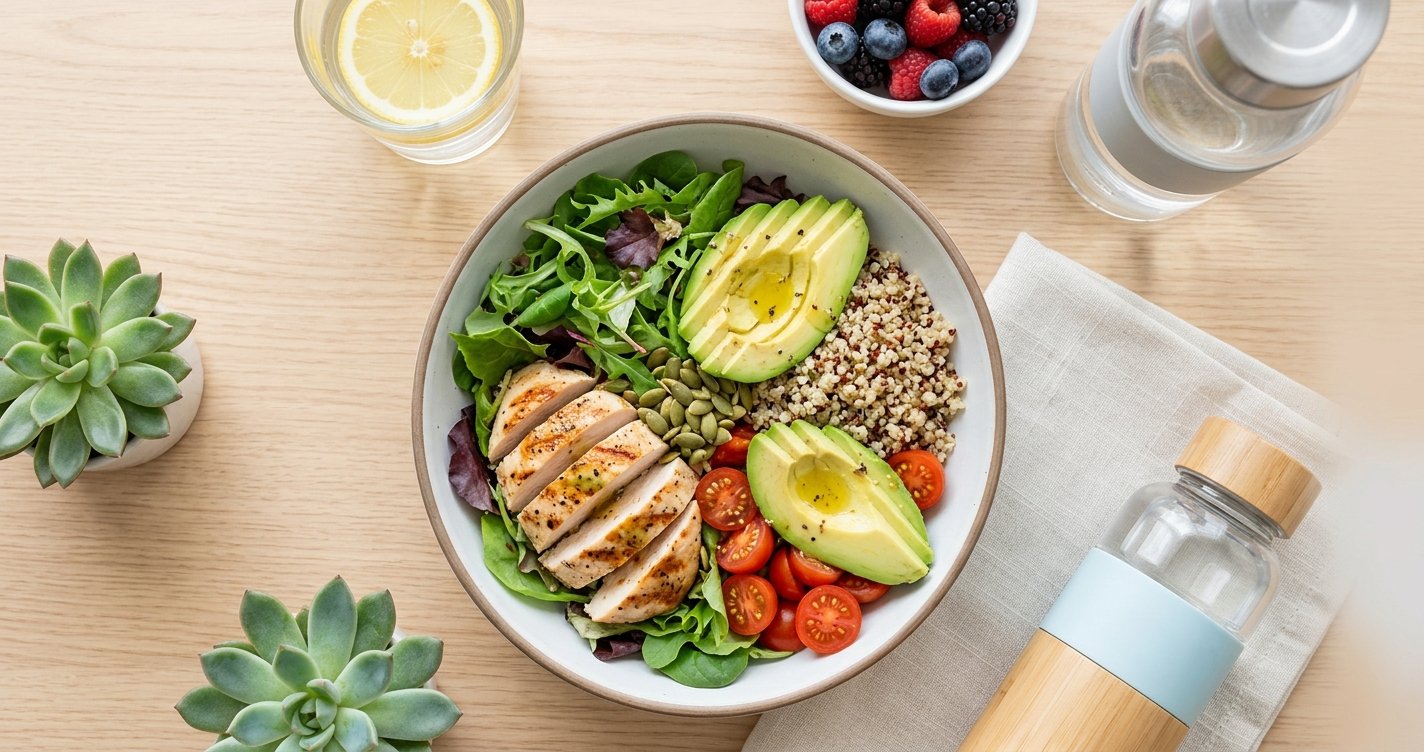
Tired of the endless cycle of crash diets, restrictive eating, and the dreaded weight rebound? You’re not alone. In a world obsessed with quick fixes, it’s easy to get caught up in promises of rapid fat loss that often lead to disappointment and frustration. But what if there was a better way? A way to shed those extra pounds, feel amazing, and maintain your results without feeling deprived or constantly battling your cravings?
The secret isn't a magic pill or a celebrity diet; it's sustainable nutrition. This isn't about temporary sacrifice; it's about building healthy eating habits that fit into your life, nourish your body, and empower you to achieve lasting fat loss. We’re here to guide you through an evidence-based, friendly, and encouraging approach to nutrition that will transform your relationship with food and your body. this excellent wellness product
Why Sustainable Nutrition is Your Secret Weapon for Fat Loss
Before we dive into the 'how,' let's understand the 'why.' Extreme diets often work by creating a massive calorie deficit, leading to initial rapid weight loss. However, they are incredibly difficult to maintain. They can lead to nutrient deficiencies, metabolic slowdown, intense cravings, and a feeling of deprivation that inevitably leads to 'falling off the wagon.' This often results in regaining the lost weight, sometimes even more, a phenomenon known as the 'yo-yo effect.'
Sustainable nutrition, on the other hand, focuses on gradual, consistent changes that you can comfortably stick with for the long haul. It prioritizes nutrient-dense foods, balances your macronutrients, and teaches you to listen to your body's signals. This approach not only helps you lose fat effectively but also improves your overall health, energy levels, and relationship with food, making your results truly lasting.
The Foundation: Understanding Your Calorie Deficit (Without Starving Yourself!)
What's a Calorie Deficit and Why Does It Matter?
At its core, fat loss boils down to one fundamental principle: consuming fewer calories than your body burns. This creates a 'calorie deficit,' forcing your body to tap into its stored energy reserves (fat) for fuel. It sounds simple, but the key is to create a moderate, manageable deficit, not an extreme one. A deficit that’s too large can slow your metabolism, increase muscle loss, and make you feel constantly hungry and fatigued.
Think of it like this: your body needs a certain amount of energy (calories) to function every day, even at rest. This is your Basal Metabolic Rate (BMR). Add in the energy you burn through daily activities and exercise, and you get your Total Daily Energy Expenditure (TDEE). To lose fat, you need to eat consistently below your TDEE.
How to Calculate Your Starting Point
You can estimate your TDEE using online calculators (search for 'TDEE calculator'). These tools take into account factors like your age, sex, weight, height, and activity level. Once you have an estimate, aim for a deficit of 300-500 calories per day. For example, if your TDEE is 2200 calories, you might aim for 1700-1900 calories per day. This moderate deficit allows for steady fat loss (typically 1-2 pounds per week) without feeling overly restricted.
Remember, these are estimates. Your body is unique! Pay attention to how you feel, your energy levels, and your progress. Adjust your intake slightly if needed. Consistency is far more important than perfection.
Fueling Up Right: Macronutrients for Maximized Fat Loss
Macronutrients – protein, carbohydrates, and fats – are the building blocks of your diet, each playing a crucial role in your body's function and your fat loss journey. Getting the right balance is key.
Protein: Your Muscle-Preserving, Satiety-Boosting Ally
If there's one macronutrient to prioritize for fat loss, it's protein. Here's why:
- Satiety: Protein is incredibly filling. Including adequate protein in your meals helps you feel fuller for longer, reducing the urge to snack unnecessarily.
- Muscle Preservation: When you're in a calorie deficit, your body can break down muscle tissue for energy. A high protein intake helps protect your precious muscle mass, which is vital for maintaining a healthy metabolism.
- Thermic Effect: Protein has a higher 'thermic effect' than carbs or fats, meaning your body burns more calories digesting and metabolizing it.
Excellent Protein Sources: Lean meats (chicken breast, turkey, lean beef), fish (salmon, tuna, cod), eggs, dairy (Greek yogurt, cottage cheese), legumes (lentils, beans), tofu, tempeh, and protein powder.
Carbohydrates: Energy for Life, Not the Enemy!
Carbohydrates have often been demonized in the fat loss world, but they are essential for energy, brain function, and overall health. The key is choosing the right kind of carbs.
- Complex Carbs: These are your friends! Found in whole grains (oats, brown rice, quinoa), fruits, and vegetables, complex carbs are rich in fiber, which aids digestion, promotes satiety, and provides a steady release of energy, preventing blood sugar spikes and crashes.
- Simple Carbs: Found in sugary drinks, candies, and refined grains (white bread, pastries), these offer quick energy but often lead to energy crashes and provide little nutritional value. Limit these.
Smart Carb Choices: Whole oats, quinoa, brown rice, sweet potatoes, berries, apples, broccoli, spinach, bell peppers, whole-grain bread (in moderation).
Healthy Fats: Essential for Hormones and Satiety
Fats are calorie-dense, but they are absolutely crucial for hormone production, nutrient absorption, and long-term satiety. Don't fear healthy fats!
- Satiety and Flavor: Fats add flavor and richness to your meals, making them more satisfying and helping you feel full.
- Hormone Balance: Healthy fats are vital for the production of hormones, including those that regulate metabolism and appetite.
- Nutrient Absorption: Many vitamins (A, D, E, K) are fat-soluble, meaning your body needs fat to absorb them properly.
Good Fat Sources: Avocados, nuts (almonds, walnuts), seeds (chia, flax, pumpkin), olive oil, fatty fish (salmon, mackerel), and full-fat dairy (in moderation).
Beyond Macros: Key Strategies for Lasting Success
Embrace Whole Foods and Limit Processed Items
This is perhaps the most impactful change you can make. Whole foods are foods that are minimally processed and retain their natural nutrients. They are typically lower in calories for their volume (nutrient-dense), higher in fiber, and free from added sugars, unhealthy fats, and artificial ingredients.
Processed foods, on the other hand, often contain 'empty calories,' providing little nutritional value but lots of calories, sugar, and unhealthy fats. Filling your plate with whole foods naturally helps you create a calorie deficit while nourishing your body deeply.
Hydration: The Unsung Hero of Fat Loss
Water is essential for virtually every bodily function, including metabolism. Staying well-hydrated can:
- Boost Metabolism: Water helps your body burn calories more efficiently.
- Reduce Appetite: Sometimes, thirst is mistaken for hunger. Drinking a glass of water before meals can help you eat less.
- Improve Energy Levels: Dehydration can lead to fatigue, making you less likely to be active.
Aim for at least 8 glasses (around 2 liters) of water per day, and more if you're active or in a hot climate.
Mindful Eating: Reconnecting with Your Body's Signals
In our fast-paced world, many of us eat mindlessly – in front of the TV, while working, or on the go. Mindful eating means paying attention to your food, savoring each bite, and listening to your body's hunger and fullness cues.
Practice eating slowly, putting your fork down between bites, and checking in with yourself: 'Am I truly hungry?' and 'Am I satisfied, or do I need to be completely stuffed?' This practice can help you eat less, enjoy your food more, and prevent emotional eating.
Meal Planning and Preparation: Your Roadmap to Consistency
Failing to plan is planning to fail, especially when it comes to nutrition. Taking time to plan your meals for the week and doing some basic food prep (chopping veggies, cooking a batch of grains or protein) can dramatically improve your consistency.
- Avoids Impulse Choices: When you have healthy meals ready, you're less likely to grab unhealthy fast food or convenience items.
- Ensures Balance: Planning allows you to ensure you're getting a good balance of macros and micronutrients.
- Saves Time and Money: Eating out less often is better for your wallet and your waistline.
Overcoming Obstacles and Staying Motivated
Don't Fear the Plateau: Adjust and Adapt
At some point, your fat loss might slow down or even stall. This is perfectly normal! As you lose weight, your body requires fewer calories, and your metabolism might adapt. When this happens, don't get discouraged. Re-evaluate your calorie intake, perhaps slightly lowering it, or increase your activity level. Sometimes, a 'diet break' (a short period at maintenance calories) can even help reset your metabolism.
It's a Journey, Not a Race: Celebrate Small Wins
Sustainable fat loss is a marathon, not a sprint. There will be good days and challenging days. Instead of aiming for perfection, focus on consistency and progress. Celebrate non-scale victories like increased energy, better sleep, clothes fitting differently, or improved mood. Each healthy choice you make is a win!
Your Path to Lasting Fat Loss Starts Now
Embarking on a sustainable fat loss journey through nutrition is one of the most empowering decisions you can make for your health and well-being. By focusing on a moderate calorie deficit, prioritizing protein, choosing smart carbs and healthy fats, embracing whole foods, staying hydrated, eating mindfully, and planning your meals, you're not just losing weight – you're building a foundation for a healthier, happier life.
Remember, this is about progress, not perfection. Be patient with yourself, learn from your experiences, and most importantly, be kind to your body. You have the power to create lasting change. Start small, stay consistent, and watch as you transform not just your body, but your entire lifestyle. You've got this!