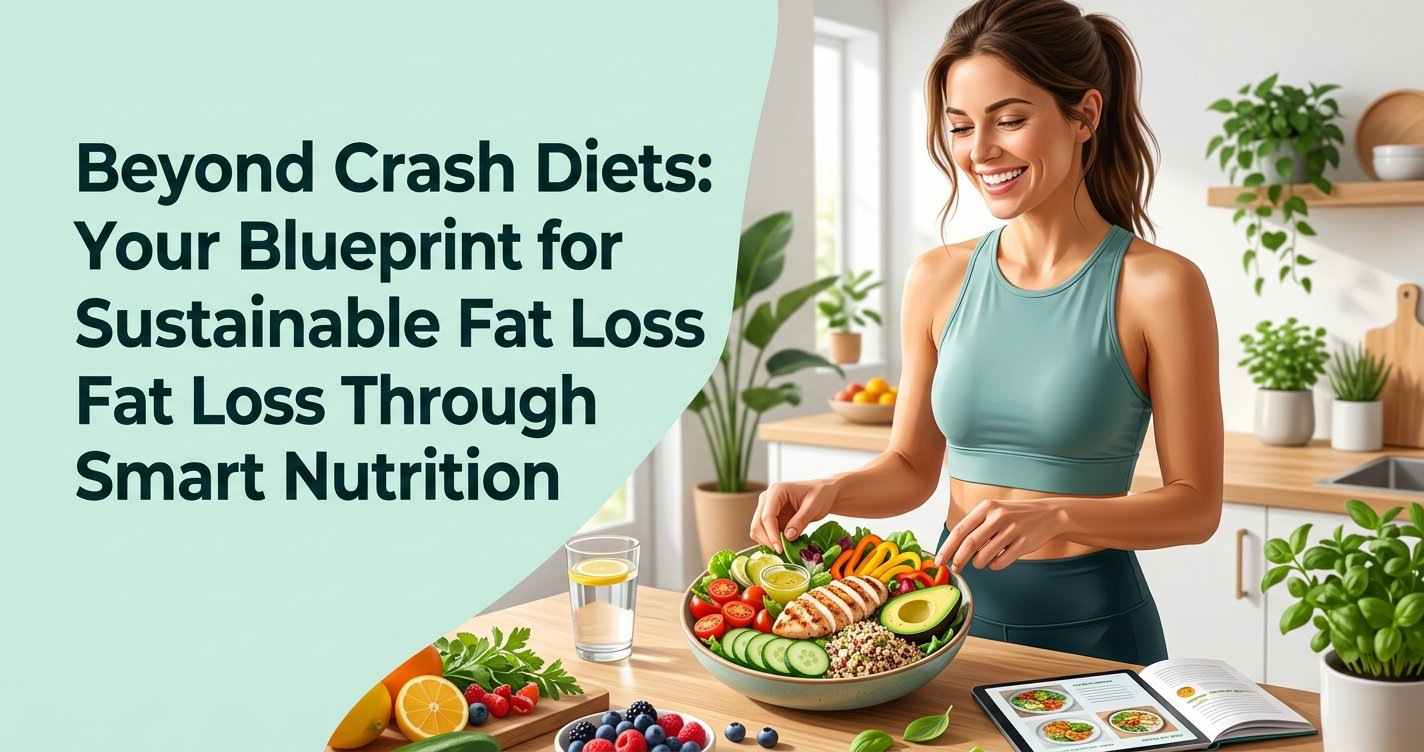
Tired of the endless cycle of restrictive diets, quick fixes, and the inevitable rebound? You're not alone. Many people embark on a fat loss journey with enthusiasm, only to be met with frustration when their efforts don't yield lasting results. The truth is, sustainable fat loss isn't about deprivation; it's about smart, evidence-based nutrition strategies that nourish your body, satisfy your cravings, and fit seamlessly into your life for the long haul.
Forget the fads and fleeting trends. This comprehensive guide will equip you with the knowledge and practical tips to build a nutritional foundation that supports genuine, sustainable fat loss. We're talking about eating smarter, not less, and cultivating habits that lead to a healthier, happier you. this excellent wellness product
The Core Principle: Understanding Your Calorie Deficit
At its heart, fat loss boils down to one fundamental truth: you must consume fewer calories than your body expends. This is known as a calorie deficit. When your body doesn't get enough energy from food, it turns to its stored energy reserves – primarily body fat – to make up the difference. It's simple math, but the execution is where many get it wrong.
The key isn't to drastically cut calories to starvation levels, which can lead to muscle loss, metabolic slowdown, and an unhealthy relationship with food. Instead, aim for a moderate, sustainable deficit (typically 300-500 calories below your maintenance level). This allows for consistent fat loss without feeling overly deprived or compromising your energy and nutrient intake. Understanding your Basal Metabolic Rate (BMR) and Total Daily Energy Expenditure (TDEE) can provide a good starting point for calculating your individual needs, but listening to your body and tracking your progress are equally important.
Protein Power: Your Ally in Fat Loss
If there's one macronutrient to prioritize for fat loss, it's protein. Protein plays several critical roles that make it invaluable:
- Satiety: Protein is incredibly filling. Eating adequate amounts helps you feel fuller for longer, reducing overall calorie intake and curbing unnecessary snacking.
- Muscle Preservation: When you're in a calorie deficit, there's a risk of losing muscle mass along with fat. Protein helps to preserve your precious muscle, which is metabolically active and crucial for a healthy metabolism.
- Thermic Effect of Food (TEF): Protein has a higher TEF than carbohydrates or fats, meaning your body burns more calories digesting and metabolizing it.
Aim for a higher protein intake, generally around 0.8 to 1 gram per pound of your target body weight (or 1.6-2.2 grams per kilogram). Excellent sources include lean meats (chicken, turkey, beef), fish, eggs, Greek yogurt, cottage cheese, legumes, tofu, and protein supplements if needed.
Navigating Carbs and Fats: Quality Over Quantity
In the world of dieting, carbohydrates and fats often get a bad rap. However, both are essential for optimal health and can absolutely be part of a successful fat loss strategy – it's all about choosing the right types and quantities.
Smart Carbohydrate Choices
Carbohydrates are your body's primary energy source. Instead of eliminating them, focus on complex carbohydrates rich in fiber:
- Whole Grains: Oats, quinoa, brown rice, whole-wheat bread. These provide sustained energy and keep you full.
- Fruits and Vegetables: Packed with vitamins, minerals, and fiber, they are low in calories and high in nutrients.
- Legumes: Beans, lentils, chickpeas offer a great combination of complex carbs, protein, and fiber.
Limit highly refined carbs like white bread, sugary drinks, and processed snacks, which offer little nutritional value and can lead to energy crashes and cravings.
Embracing Healthy Fats
Fats are vital for hormone production, nutrient absorption, and satiety. Healthy fats can actually aid in fat loss by keeping you feeling satisfied and preventing overeating. However, remember that fats are calorie-dense, so portion control is key.
- Monounsaturated Fats: Avocados, olive oil, nuts (almonds, cashews).
- Polyunsaturated Fats: Fatty fish (salmon, mackerel – rich in Omega-3s), walnuts, flaxseeds.
Avoid trans fats found in many processed and fried foods, which are detrimental to your health and fat loss efforts.
Fiber: The Unsung Hero of Satiety and Digestive Health
Fiber is a superstar when it comes to sustainable fat loss. It's a type of carbohydrate that your body can't digest, and it plays a crucial role in:
- Fullness: Fiber adds bulk to your meals, helping you feel full and satisfied without adding extra calories.
- Blood Sugar Control: Soluble fiber helps to slow down the absorption of sugar, preventing spikes and crashes that can lead to cravings.
- Digestive Health: It keeps your digestive system running smoothly, which is important for overall well-being and nutrient absorption.
Aim to include plenty of fiber-rich foods in every meal. Think a generous serving of vegetables, a handful of berries, a side of lentils, or a sprinkle of chia seeds. Gradually increasing your fiber intake is best to avoid digestive discomfort.
Mindful Eating: Connecting with Your Body's Cues
Beyond the macros and micros, how you eat is just as important as what you eat. Mindful eating is the practice of paying full attention to your food – its flavors, textures, and the experience of eating – without judgment. This simple yet powerful practice can transform your relationship with food and significantly aid in fat loss.
- Eat Slowly: It takes about 20 minutes for your brain to register fullness. Eating slowly allows your body to catch up, preventing overeating.
- Tune into Hunger and Fullness Cues: Learn to recognize true physical hunger versus emotional hunger. Stop eating when you're satisfied, not necessarily stuffed.
- Minimize Distractions: Put away your phone, turn off the TV, and focus on your meal. Enjoy the process!
- Savor Each Bite: Pay attention to the taste, smell, and texture of your food. This enhances enjoyment and can lead to greater satisfaction with smaller portions.
Hydration and Smart Snacking: Supporting Your Journey
The Power of Water
Don't underestimate the role of water in fat loss. Staying well-hydrated is crucial for metabolism, energy levels, and even satiety. Often, thirst can be mistaken for hunger. Aim for at least 8 glasses of water a day, and consider drinking a glass before meals to help manage portion sizes.
Strategic Snacking
Snacks aren't inherently bad; it's the *type* of snack that matters. Smart snacking can help bridge the gap between meals, prevent extreme hunger, and keep your metabolism ticking. Focus on nutrient-dense options that combine protein and fiber:
- Greek yogurt with berries
- Apple slices with a tablespoon of nut butter
- A handful of almonds or walnuts
- Vegetable sticks with hummus
- Hard-boiled eggs
Meal Planning and Preparation: Your Secret Weapon for Consistency
The best nutrition strategies won't work if they aren't consistent. This is where meal planning and preparation become invaluable. By taking time to plan your meals and snacks for the week, you eliminate guesswork, reduce the likelihood of impulsive unhealthy choices, and ensure you have nutritious options readily available.
- Create a Weekly Meal Plan: Decide what you'll eat for breakfast, lunch, dinner, and snacks.
- Make a Grocery List: Stick to your list to avoid buying tempting, unhealthy items.
- Batch Cook: Prepare large quantities of staples like grilled chicken, roasted vegetables, quinoa, or brown rice at the beginning of the week.
- Portion Control: Pre-portioning meals into containers can make grabbing healthy food quick and easy, while helping you stay within your calorie targets.
Embrace the Journey: Patience and Consistency are Key
Sustainable fat loss isn't a race; it's a marathon. There will be days when you feel motivated, and days when you struggle. The key is to be patient with yourself, understand that progress isn't always linear, and focus on consistency over perfection. Small, consistent changes to your nutrition habits will compound over time, leading to significant and lasting results. By focusing on whole, unprocessed foods, prioritizing protein and fiber, practicing mindful eating, and planning ahead, you're not just losing fat – you're building a healthier, more vibrant life. You've got this!