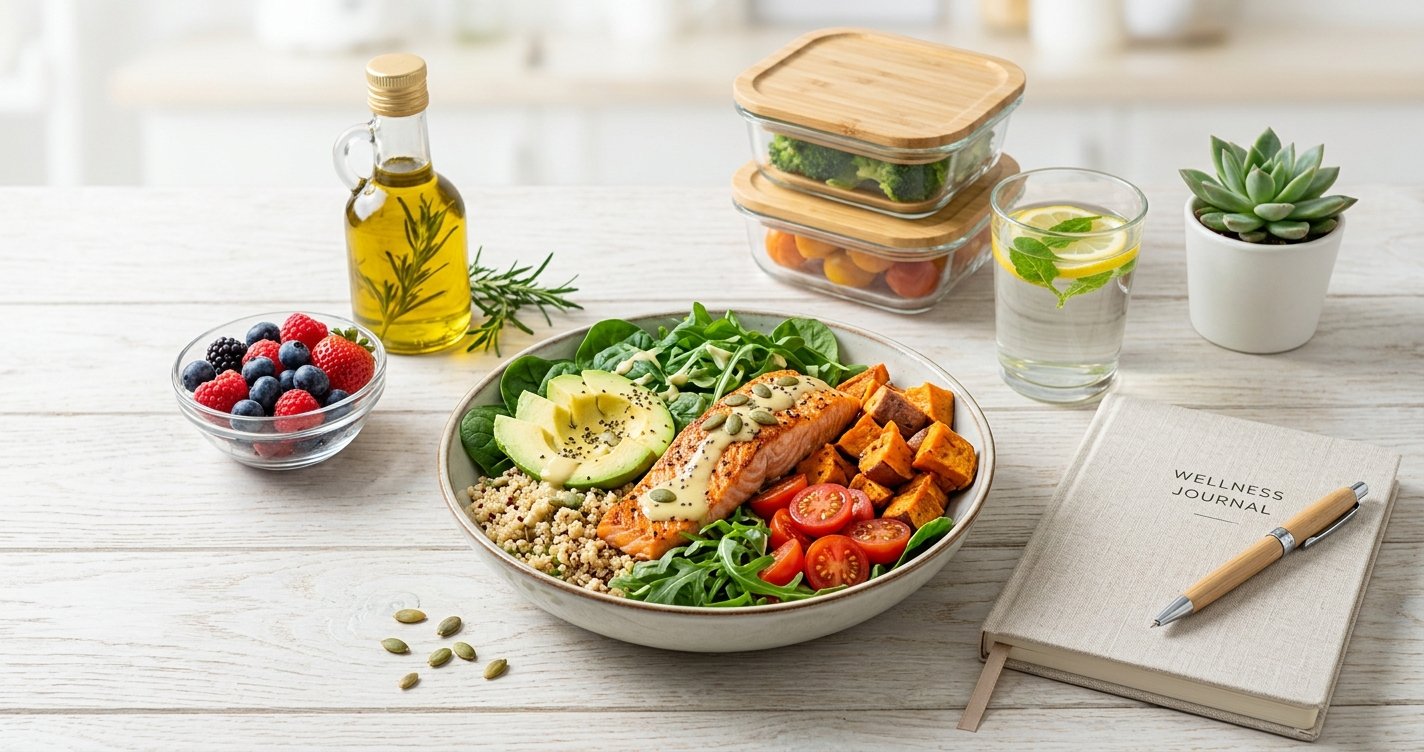
Hey there, future you! Are you tired of the endless cycle of crash diets, restrictive eating, and the frustrating rebound of lost weight? You're not alone. In a world obsessed with quick fixes, it's easy to get lost in the noise and lose sight of what truly matters: a healthy, sustainable approach to fat loss that actually lasts. Forget the deprivation and the guilt. This isn't about dieting; it's about nourishing your body, understanding your needs, and building habits that support a leaner, stronger, and more vibrant you for the long haul.
Today, we're diving deep into the world of sustainable fat loss nutrition. We'll explore evidence-based strategies that empower you to make informed choices, enjoy your food, and achieve your goals without sacrificing your well-being. Get ready to transform your relationship with food and unlock a healthier, happier you! this excellent wellness product
Understanding the Basics: Calorie Deficit, Not Deprivation
The fundamental principle of fat loss remains a calorie deficit: consuming fewer calories than your body expends. However, the key to sustainability lies in achieving this deficit intelligently, without feeling deprived or starving your body of essential nutrients. Think of it as creating a slight, manageable energy gap, not a gaping chasm.
Your body has a Basal Metabolic Rate (BMR), which is the energy it needs just to exist, and a Total Daily Energy Expenditure (TDEE), which includes your BMR plus activity. To lose fat, you need to eat slightly below your TDEE. But how do you do this healthily?
- Focus on Nutrient Density: Prioritize foods that offer a high amount of nutrients for fewer calories. Think lean proteins, colorful vegetables, and whole grains.
- Portion Awareness: You don't need to meticulously count every calorie, but becoming aware of appropriate portion sizes is incredibly helpful.
- Listen to Your Body: Learn to distinguish between true hunger and emotional hunger. Eat until you're satisfied, not stuffed.
A sustainable calorie deficit is one that allows you to lose fat gradually (0.5-1% of body weight per week is a healthy target) while maintaining energy levels and preserving muscle mass.
The Power of Protein: Your Fat Loss Ally
If there's one macronutrient that deserves a spotlight in your fat loss journey, it's protein. Protein plays a crucial role in several ways, making it an indispensable part of your diet:
- Satiety: Protein is incredibly filling. Studies consistently show that a higher protein intake helps reduce appetite and makes you feel fuller for longer, naturally leading to lower calorie intake.
- Muscle Preservation: When you're in a calorie deficit, your body can sometimes break down muscle tissue for energy. Adequate protein intake helps protect your hard-earned muscle, which is metabolically active and important for maintaining a healthy metabolism.
- Thermic Effect of Food (TEF): Protein has a higher TEF than carbohydrates or fats. This means your body expends more energy (calories) to digest, absorb, and metabolize protein. It's a small but helpful boost to your daily calorie expenditure.
Aim for a protein intake of roughly 1.6-2.2 grams per kilogram of body weight per day, spread across your meals. Excellent sources include lean meats (chicken, turkey, lean beef), fish, eggs, dairy (Greek yogurt, cottage cheese), legumes (lentils, beans), and plant-based options like tofu and tempeh.
Don't Fear the Carbs (or Fats!): Quality Matters
In the world of fat loss, carbohydrates and fats often get a bad rap. But the truth is, both are essential for your health and can absolutely be part of a successful fat loss strategy – it's all about choosing the right kinds and managing portions.
Carbohydrates: Your Energy Source
Carbohydrates are your body's primary fuel source, especially important for energy during workouts and daily activities. The key is to distinguish between processed, refined carbs and complex, whole carbohydrates.
- Choose Complex Carbs: Opt for whole grains (oats, brown rice, quinoa, whole-wheat bread), fruits, and vegetables. These are rich in fiber, which aids digestion, helps regulate blood sugar, and contributes to satiety.
- Timing Can Matter: While not strictly necessary for fat loss, consuming a good portion of your carbs around your workouts can optimize performance and recovery.
Avoid excessive amounts of sugary drinks, white bread, pastries, and highly processed snacks, as these offer little nutritional value and can lead to energy crashes and increased hunger.
Fats: Essential for Health
Dietary fats are vital for hormone production, nutrient absorption (especially fat-soluble vitamins A, D, E, K), and brain health. They also contribute to satiety.
- Prioritize Healthy Fats: Include sources of monounsaturated and polyunsaturated fats, like avocados, nuts, seeds (chia, flax, hemp), olive oil, and fatty fish (salmon, mackerel) rich in Omega-3s.
- Moderation is Key: While healthy, fats are calorie-dense. A little goes a long way, so be mindful of portion sizes.
Steer clear of trans fats and limit saturated fats found in processed foods and excessive amounts of red meat or high-fat dairy. Embrace the good fats in moderation!
Hydration and Fiber: The Unsung Heroes
Often overlooked, water and fiber play incredibly important roles in your fat loss journey and overall health.
Water: The Elixir of Life
Staying well-hydrated is crucial. Water contributes to:
- Satiety: Sometimes, thirst can be mistaken for hunger. Drinking water before meals can help you feel fuller and potentially eat less.
- Metabolism: Water is involved in countless metabolic processes, including the breakdown of fat.
- Energy Levels: Dehydration can lead to fatigue, which might make you less likely to be active or make healthy food choices.
Aim for at least 8 glasses (around 2-3 liters) of water daily, and even more if you're active or in a hot climate.
Fiber: Your Digestive Best Friend
Fiber, found in plant foods, is a game-changer for fat loss:
- Satiety: Fiber adds bulk to your meals without adding calories, helping you feel full and satisfied.
- Blood Sugar Control: Soluble fiber helps slow down the absorption of sugar, preventing spikes and crashes that can lead to cravings.
- Digestive Health: It keeps your digestive system running smoothly, promoting regularity and gut health.
Load up on fiber-rich foods like fruits, vegetables, legumes, and whole grains. Most adults don't get enough fiber, so consciously increasing your intake can make a big difference.
Meal Planning & Preparation: Your Roadmap to Success
Failing to plan is planning to fail, especially when it comes to nutrition. Sustainable fat loss thrives on consistency, and meal planning and preparation are your best tools for achieving it.
- Plan Your Meals: Take 30 minutes each week to plan your meals and snacks for the upcoming days. This reduces decision fatigue and impulse eating.
- Batch Cook: Dedicate a few hours on a weekend to cook larger quantities of staples like grilled chicken, roasted vegetables, quinoa, or brown rice. This makes assembling healthy meals during busy weekdays a breeze.
- Healthy Snacks Ready: Keep nutritious snacks easily accessible, such as fruit, Greek yogurt, nuts, or veggie sticks with hummus. This prevents reaching for unhealthy options when hunger strikes.
- Mindful Eating: Even with the best plan, how you eat matters. Slow down, savor your food, pay attention to hunger and fullness cues, and minimize distractions like screens. This enhances satisfaction and helps prevent overeating.
By taking control of your food environment, you're setting yourself up for consistent healthy choices.
Navigating Challenges: Cravings, Plateaus, and Social Eating
The journey to sustainable fat loss isn't always a straight line. You'll encounter bumps, but with the right strategies, you can overcome them.
Managing Cravings
Cravings are normal! Instead of fighting them, try these approaches:
- Hydrate: Often, thirst is mistaken for a craving.
- Mindful Pause: Give yourself 10-15 minutes. Distract yourself, do something else. Often, the craving passes.
- Healthy Swap: Have a healthier, satisfying alternative ready (e.g., fruit instead of candy, Greek yogurt instead of ice cream).
- Small Treat: If the craving persists and is intense, allow yourself a small, controlled portion of the desired food. Deprivation can often backfire.
Understanding Plateaus
A plateau is when your fat loss stalls despite consistent effort. This is a normal part of the process as your body adapts. Don't panic!
- Re-evaluate: Are you truly in a deficit? Have your activity levels changed? Are you unintentionally eating more than you think?
- Adjust: A small reduction in calories (e.g., 100-200 calories) or an increase in activity can often kickstart progress.
- Patience: Sometimes, your body just needs time to catch up. Stay consistent for a few more weeks before making drastic changes.
Social Eating & Dining Out
Don't let your fat loss goals isolate you. You can enjoy social occasions while staying on track:
- Plan Ahead: Look at the menu online beforehand and choose a healthy option.
- Portion Control: Ask for dressings on the side, share an entree, or take half home.
- Prioritize Protein & Veggies: Fill your plate with lean protein and non-starchy vegetables first.
- Mindful Indulgence: If you want dessert or a drink, enjoy it mindfully and in moderation, balancing it with healthier choices throughout the day.
Beyond the Plate: Lifestyle Factors for Fat Loss
While nutrition is paramount, remember that fat loss is a holistic endeavor. Other lifestyle factors significantly impact your body's ability to shed fat:
- Sleep: Poor sleep disrupts hormones that regulate hunger (ghrelin) and satiety (leptin), often leading to increased cravings and calorie intake. Aim for 7-9 hours of quality sleep.
- Stress Management: Chronic stress elevates cortisol, a hormone that can promote fat storage, especially around the midsection. Incorporate stress-reducing activities like meditation, yoga, or spending time in nature.
- Physical Activity: While you can't out-train a bad diet, regular exercise, especially a combination of strength training and cardio, is crucial for building muscle, boosting metabolism, and creating a calorie deficit.
Embrace the Journey: Consistency Over Perfection
Sustainable fat loss isn't about perfection; it's about consistency, progress, and building a healthier relationship with food and your body. There will be good days and challenging days, but every consistent, healthy choice adds up over time.
Focus on nourishing your body, making informed decisions, and celebrating small victories along the way. You have the power to create lasting change. Start small, stay patient, and trust the process. Your future self will thank you!