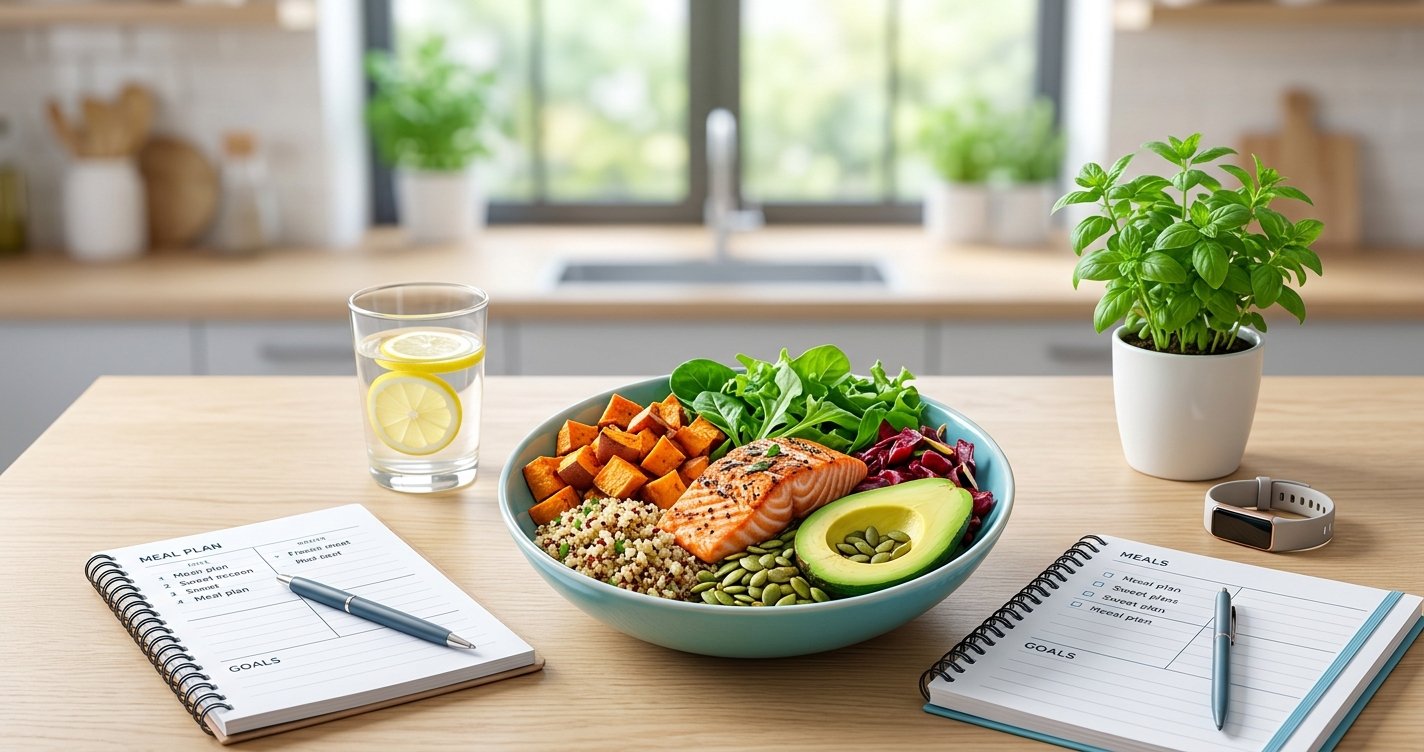
Are you tired of the endless cycle of crash diets, restrictive eating, and the frustration of losing weight only to gain it back? You're not alone. Many quick-fix approaches promise rapid results but often leave you feeling deprived, unhealthy, and ultimately unsuccessful in the long run. The good news? There's a better, more effective way to achieve your fat loss goals – one that prioritizes your health, energy, and overall well-being: sustainable nutrition.
This isn't about deprivation; it's about empowerment. It's about understanding how your body works, making informed choices, and building habits that support a leaner, healthier you for life. Forget the fads and let's dive into evidence-based strategies that will not only help you shed unwanted fat but also feel fantastic while doing it. Ready to transform your relationship with food and unlock lasting results? this excellent wellness product
The Non-Negotiable Foundation: Understanding Your Caloric Deficit
Let's start with the fundamental truth of fat loss: you must consume fewer calories than your body burns. This is known as creating a caloric deficit. Think of your body as a car; if you put less fuel in than it uses, it starts tapping into its stored fuel – in our case, body fat.
While it sounds simple, understanding how to achieve this deficit smartly is crucial. Your body burns calories just to exist (your Basal Metabolic Rate, or BMR) and then more through daily activities, exercise, and even digesting food (your Total Daily Energy Expenditure, or TDEE). To lose fat, you need to eat consistently below your TDEE.
A safe and sustainable deficit typically ranges from 300 to 500 calories per day. This allows for gradual fat loss (around 1-2 pounds per week for most people) without triggering extreme hunger, energy crashes, or metabolic slowdowns. Trying to cut too many calories too quickly can backfire, leading to muscle loss, nutrient deficiencies, and making the diet unsustainable. Remember, consistency beats intensity every time.
Don't Starve Yourself: The Pitfalls of Extreme Restriction
The temptation to drastically cut calories is strong, especially when you're eager for quick results. However, extreme restriction is a common pitfall. When you eat too little, your body perceives it as a famine. It can slow down your metabolism to conserve energy, break down muscle tissue for fuel (which is counterproductive to fat loss, as muscle burns more calories than fat), and leave you feeling constantly hungry, irritable, and fatigued. This often leads to rebound overeating and the dreaded 'yo-yo effect'. Sustainable fat loss is a marathon, not a sprint.
The Power Players: Protein, Fiber, and Healthy Fats
Once you understand the caloric deficit, the next step is optimizing what you eat within that deficit. Not all calories are created equal! Focusing on specific macronutrients can make your fat loss journey much more manageable and effective.
Protein: Your Fat Loss MVP
If there's one macronutrient to prioritize for fat loss, it's protein. Here's why it's so powerful:
- Satiety: Protein is incredibly filling. Eating adequate protein helps you feel fuller for longer, reducing overall calorie intake naturally.
- Muscle Preservation: When you're in a caloric deficit, your body can break down muscle along with fat. High protein intake helps preserve precious muscle mass, which is vital for maintaining a healthy metabolism.
- Thermic Effect of Food (TEF): Protein has the highest TEF, meaning your body burns more calories digesting protein compared to carbs or fats. It's a small but helpful boost!
Aim for around 1.6 to 2.2 grams of protein per kilogram of body weight daily. Excellent sources include lean meats (chicken, turkey, lean beef), fish, eggs, dairy products (Greek yogurt, cottage cheese), legumes, and tofu.
Fiber: The Gut-Friendly Fullness Factor
Fiber is another unsung hero of fat loss. It's a type of carbohydrate your body can't digest, and that's precisely why it's so beneficial:
- Increased Satiety: Fiber adds bulk to your meals, helping you feel full without adding significant calories.
- Blood Sugar Regulation: Soluble fiber helps slow down the absorption of sugar, preventing spikes and crashes that can lead to cravings.
- Digestive Health: It promotes healthy digestion and regularity, which is essential for overall well-being.
Load up on fiber from fruits, vegetables, whole grains (oats, quinoa, brown rice), and legumes (beans, lentils). Aim for at least 25-30 grams per day.
Healthy Fats: Essential for Hormones and Satiety (in Moderation)
Don't be afraid of fats! Healthy fats are crucial for hormone production, nutrient absorption, and overall bodily functions. They also contribute to satiety, helping you feel satisfied after meals.
However, fats are calorie-dense (9 calories per gram compared to 4 for protein and carbs), so portion control is key. Focus on monounsaturated and polyunsaturated fats found in avocados, nuts, seeds, and olive oil. Incorporate them wisely into your diet, remembering that a little goes a long way.
Prioritizing Whole Foods: Ditching the Processed Stuff
One of the most impactful changes you can make for sustainable fat loss is shifting your diet towards whole, unprocessed foods. Think single-ingredient foods found in nature:
- Fresh fruits and vegetables
- Lean proteins
- Whole grains
- Legumes
- Nuts and seeds
Processed foods, on the other hand, are often packed with added sugars, unhealthy fats, and refined carbohydrates. These ingredients are designed to be hyper-palatable, making it easy to overeat them, and they often lack essential nutrients. They contribute to inflammation, energy crashes, and make fat loss incredibly challenging.
Making the switch doesn't have to be drastic. Start by replacing one processed item in your daily routine with a whole food alternative. Instead of sugary cereals, opt for oats with berries. Swap out packaged snacks for an apple and a handful of almonds. These small changes accumulate into significant improvements over time.
Mindful Eating and Portion Control: Beyond the Numbers
While tracking calories can be a useful tool, sustainable fat loss also involves developing a healthier relationship with food. This is where mindful eating comes in.
Mindful eating means paying attention to your food, your body's hunger and fullness cues, and the experience of eating. It's about:
- Eating Slowly: Savor each bite. Put your fork down between mouthfuls. It takes about 20 minutes for your brain to register fullness.
- Listening to Your Body: Eat when you're hungry, stop when you're comfortably full, not stuffed.
- Eliminating Distractions: Turn off the TV, put away your phone. Focus on your meal.
Alongside mindfulness, understanding portion control is vital. Even healthy foods can lead to weight gain if consumed in excess. Learn to recognize appropriate portion sizes using visual cues (e.g., a deck of cards for protein, your palm for nuts) or measuring tools initially. This isn't about rigid restriction but about becoming more aware of how much you're truly eating.
Hydration and Lifestyle Factors: The Unsung Heroes of Fat Loss
Nutrition is paramount, but it doesn't operate in a vacuum. Several lifestyle factors play a significant, often overlooked, role in your ability to lose fat sustainably.
- Water, Water Everywhere: Staying well-hydrated is crucial. Water can help you feel fuller, boost metabolism slightly, and is essential for countless bodily functions. Sometimes, what you perceive as hunger is actually thirst! Aim for plenty of water throughout the day.
- The Power of Sleep: Sleep deprivation wreaks havoc on your hormones, particularly ghrelin (the hunger hormone) and leptin (the satiety hormone). When you're tired, ghrelin levels rise, and leptin levels fall, making you feel hungrier and more prone to cravings for high-calorie, sugary foods. Prioritize 7-9 hours of quality sleep each night.
- Stress Less, Lose More: Chronic stress elevates cortisol levels, a hormone that can promote fat storage, particularly around the abdomen. Find healthy ways to manage stress, whether it's meditation, yoga, spending time in nature, or hobbies you enjoy.
- Move Your Body: While nutrition is king for fat loss, physical activity is its loyal queen. Incorporating regular movement – whether it's strength training, cardio, or simply walking more – helps burn additional calories, builds muscle (further boosting metabolism), improves mood, and enhances overall health.
Embrace the Journey: Patience, Consistency, and Self-Compassion
Sustainable fat loss isn't about perfection; it's about consistency over time. There will be days when you make less-than-ideal choices, and that's perfectly okay. Don't let one slip-up derail your entire journey. Acknowledge it, learn from it, and get back on track with your next meal.
Be patient with yourself and the process. True, lasting change takes time. Celebrate small victories, focus on building healthy habits one step at a time, and remember that this journey is about creating a healthier, happier, and more energetic you – not just a smaller number on the scale. By embracing these sustainable nutrition strategies, you're not just losing fat; you're gaining a lifetime of health and well-being.