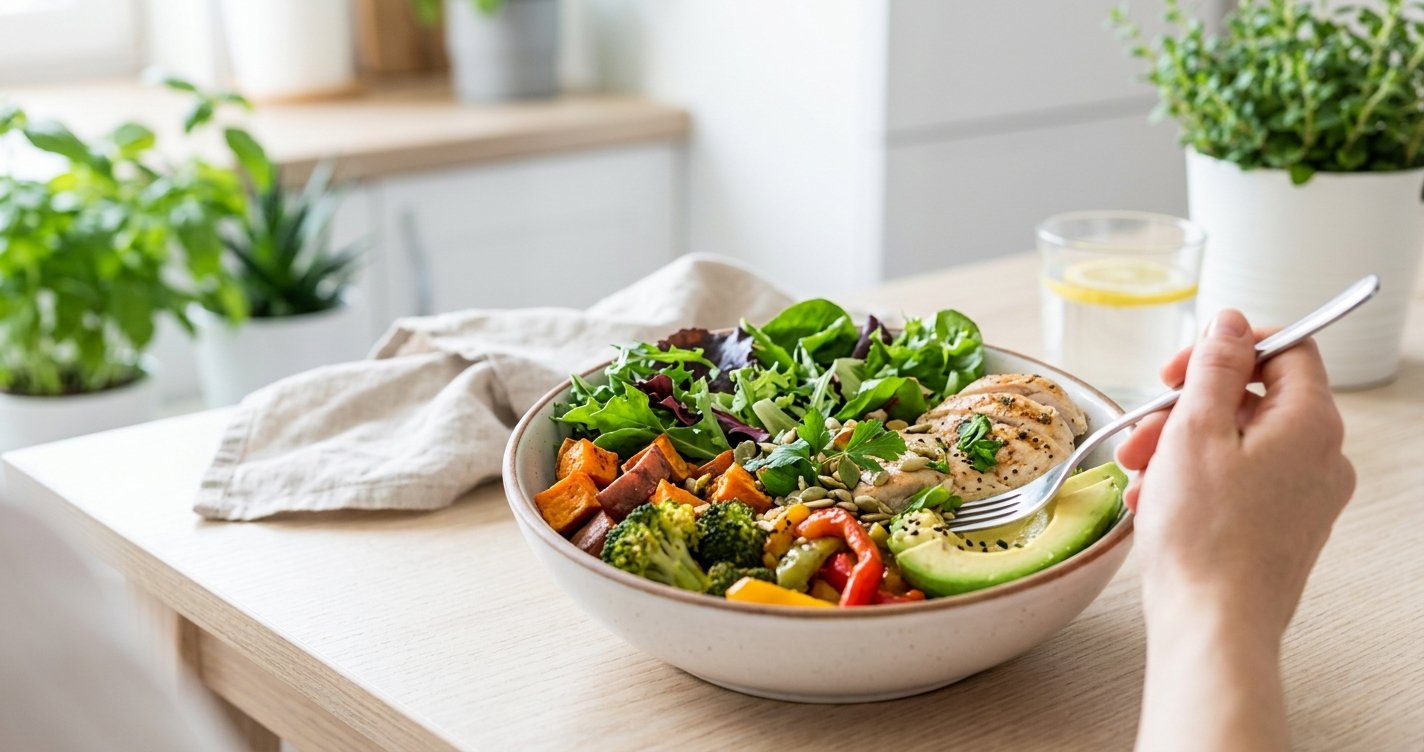
Sustainable Fat Loss: Your Ultimate Guide to Nutrition That Works (and Lasts!)
Are you tired of the diet roller coaster? The endless cycles of restriction, quick wins, and inevitable rebound? You're not alone. Many traditional approaches to fat loss focus on extreme deprivation, which, while sometimes effective in the short term, rarely leads to lasting results. The good news? There's a better way. This guide isn't about the latest fad diet; it's about empowering you with evidence-based, sustainable nutrition strategies that will help you achieve your fat loss goals and maintain them for life. Get ready to build a healthier relationship with food and your body, one smart choice at a time!
The Calorie Conundrum: Understanding Energy Balance Without Obsession
At its core, fat loss boils down to one fundamental principle: consuming fewer calories than your body expends. This is known as creating a 'calorie deficit.' While it sounds simple, the practical application can feel overwhelming if you're constantly counting every single morsel. The goal isn't to obsess over numbers, but to understand the concept and make informed choices. Think of it as a gentle nudge in the right direction rather than a strict command. By focusing on nutrient-dense foods, you can often achieve a calorie deficit naturally, without feeling deprived. It's about smart swaps and portion awareness, not starvation. this excellent wellness product
Protein Power: Your Best Friend for Fat Loss and Muscle Preservation
If there's one macronutrient you should prioritize for sustainable fat loss, it's protein. Here's why:
- Satiety: Protein is incredibly filling. Including adequate protein in your meals helps you feel full longer, reducing the urge to snack unnecessarily.
- Muscle Preservation: When you're in a calorie deficit, your body can sometimes break down muscle tissue for energy. Sufficient protein intake helps protect your hard-earned muscle, ensuring that the weight you lose is primarily fat.
- Thermic Effect of Food (TEF): Protein has a higher TEF than carbs or fats, meaning your body expends more energy (calories) to digest and metabolize it.
Aim to include a lean protein source at every meal. Think chicken breast, fish, lean beef, eggs, Greek yogurt, tofu, or legumes.
Fiber Facts: The Unsung Hero of Satiety and Gut Health
Fiber is another powerhouse nutrient often overlooked in the quest for fat loss. Found abundantly in fruits, vegetables, whole grains, and legumes, fiber contributes to:
- Increased Satiety: Like protein, fiber adds bulk to your meals, helping you feel fuller and more satisfied for longer. This can significantly curb overeating.
- Stable Blood Sugar: Soluble fiber helps slow down the absorption of sugar, preventing rapid spikes and crashes that can lead to cravings and energy dips.
- Improved Digestion & Gut Health: Fiber promotes regularity and feeds beneficial gut bacteria, which plays a role in overall health and even metabolism.
Integrate plenty of colorful vegetables, berries, apples, oats, and beans into your daily diet to reap the benefits of fiber.
Smart Carbs & Healthy Fats: Quality Over Restriction
Navigating Carbohydrates for Energy and Performance
Carbohydrates have gotten a bad rap in some fat loss circles, but they are your body's primary source of energy. The key is to choose the right kind. Focus on complex carbohydrates that are rich in fiber and nutrients, such as:
- Whole grains (oats, quinoa, brown rice, whole-wheat bread)
- Starchy vegetables (sweet potatoes, butternut squash)
- Legumes (lentils, beans)
These provide sustained energy, prevent energy crashes, and contribute to overall satiety. Limit refined carbs like white bread, sugary cereals, and pastries, which offer little nutritional value and can hinder fat loss.
Embracing Healthy Fats for Vitality
Fats are essential for hormone production, nutrient absorption, and overall cellular function. Don't fear them, but choose wisely and mindfully, as they are calorie-dense. Prioritize unsaturated fats found in:
- Avocados
- Nuts and seeds (almonds, walnuts, chia seeds, flaxseeds)
- Olive oil
- Fatty fish (salmon, mackerel)
These healthy fats can also contribute to satiety and provide important vitamins and minerals. Portion control is key here; a small amount goes a long way.
Hydration & Mindful Eating: The Often Overlooked Pillars
The Power of Water
Often underestimated, proper hydration is crucial for fat loss. Water supports metabolism, helps transport nutrients, and can even help manage hunger. Sometimes, what feels like hunger is actually thirst. Aim to drink plenty of water throughout the day, especially before meals.
Cultivating Mindful Eating Habits
Beyond *what* you eat, *how* you eat plays a huge role in sustainable fat loss. Mindful eating involves:
- Paying Attention: Slow down, savor your food, and notice the textures, flavors, and aromas.
- Listening to Your Body: Eat when you're truly hungry and stop when you're comfortably full, not stuffed.
- Eliminating Distractions: Avoid eating in front of the TV, computer, or phone. Focus solely on your meal.
Mindful eating helps you recognize your body's hunger and fullness cues, preventing overeating and fostering a healthier relationship with food.
Meal Planning & Prep: Setting Yourself Up for Success
Consistency is king when it comes to sustainable fat loss, and meal planning is your secret weapon. Dedicating a little time each week to plan and prepare your meals can dramatically improve your adherence to healthy eating habits.
- Plan Your Week: Decide what you'll eat for breakfast, lunch, and dinner, and even snacks.
- Shop Smart: Create a grocery list based on your meal plan to avoid impulse buys and ensure you have all the necessary ingredients.
- Batch Cook: Prepare larger quantities of staples like cooked chicken, roasted vegetables, or quinoa that can be easily mixed and matched throughout the week.
- Healthy Snacks: Have pre-portioned healthy snacks like fruit, nuts, or Greek yogurt readily available to avoid reaching for less nutritious options when hunger strikes.
This proactive approach reduces decision fatigue and makes healthy choices the easy choices.
Patience & Consistency: The Real Secret Sauce
True, sustainable fat loss isn't a race; it's a marathon. It requires patience, consistency, and a willingness to embrace the journey. There will be good days and challenging days, but the key is to stay consistent with your efforts over time. Don't get discouraged by slow progress or minor setbacks. Every small, healthy choice you make adds up. Focus on building habits that you can maintain for the long haul, rather than chasing quick fixes that are destined to fail.
Embrace Your Journey to Lasting Health
Sustainable fat loss isn't just about shedding pounds; it's about building a foundation for a healthier, more vibrant life. By focusing on nutrient-dense foods, understanding energy balance, prioritizing protein and fiber, making smart carb and fat choices, staying hydrated, and practicing mindful eating, you're not just dieting—you're transforming your lifestyle. Remember, progress over perfection. Be kind to yourself, celebrate your small victories, and trust the process. Your body will thank you for it, and you'll achieve lasting results that truly make a difference.