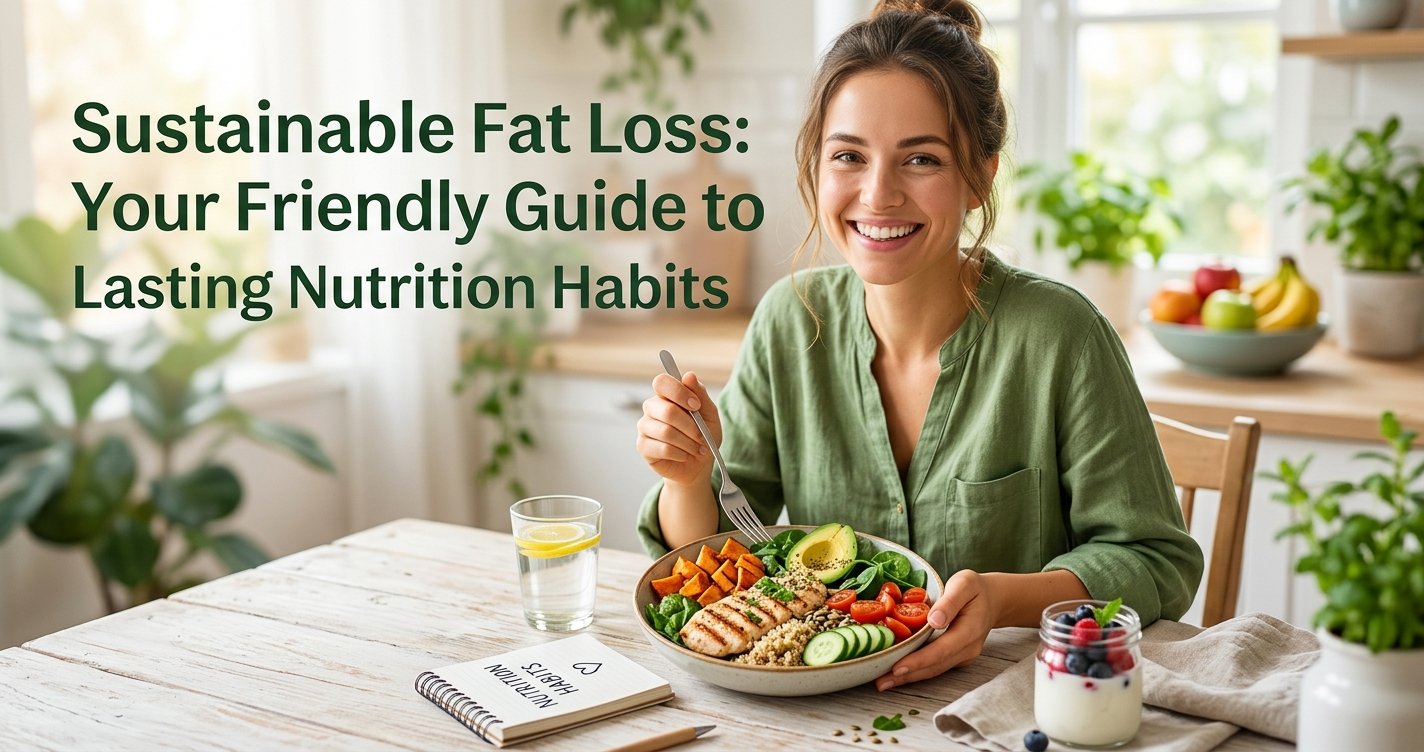
Sustainable Fat Loss: Your Friendly Guide to Lasting Nutrition Habits
Are you tired of the endless cycle of restrictive diets, quick fixes, and the frustrating 'yo-yo' effect? You're not alone. Many people embark on their fat loss journey with enthusiasm, only to find themselves burnt out and back where they started. The truth is, sustainable fat loss isn't about deprivation; it's about building healthy, enjoyable nutrition habits that you can maintain for life. This isn't just about shedding pounds; it's about transforming your relationship with food, boosting your energy, and feeling fantastic in your own skin. And guess what? It's much simpler and more enjoyable than you might think!
In this guide, we'll ditch the fads and focus on evidence-based strategies that actually work, not just for a few weeks, but for the long haul. We'll explore practical, friendly tips to help you nourish your body, understand your hunger cues, and make smart food choices without feeling like you're missing out. Get ready to embark on a journey that prioritizes health, happiness, and sustainable results! this excellent wellness product
The Non-Negotiable Foundation: Understanding Your Calorie Deficit
Let's start with the absolute bedrock of fat loss: the calorie deficit. Simply put, to lose fat, your body needs to burn more calories than it consumes. Think of it like a budget: if you spend more than you earn, you go into debt. In this case, your body "spends" its stored fat for energy. While it sounds simple, many people overcomplicate or misunderstand this crucial concept.
What is a Calorie Deficit?
A calorie deficit means consistently eating slightly fewer calories than your body needs to maintain its current weight. Your body uses calories for everything: breathing, thinking, moving, and even sleeping. This is your Total Daily Energy Expenditure (TDEE). To lose fat, you need to eat below your TDEE.
Finding Your Sweet Spot
- Don't Go Too Low: Drastic calorie cuts are unsustainable and can harm your metabolism, energy levels, and overall health. A moderate deficit of 300-500 calories below your TDEE is generally recommended for healthy, sustainable fat loss (around 1-2 pounds per week).
- Focus on Quality: While calories are key, the source of those calories matters immensely. 100 calories of spinach is vastly different from 100 calories of candy in terms of nutrition, satiety, and impact on your body.
- No Need for Perfection: You don't need to count every single calorie forever. The goal is to develop an awareness of portion sizes and the caloric density of foods, making informed choices naturally over time.
The Power of Macronutrients: Fueling Your Fat Loss Journey Wisely
Once you understand the calorie deficit, the next step is optimizing your macronutrients – protein, carbohydrates, and fats. Each plays a vital role in your body's function and your fat loss success.
Protein: Your Best Friend for Satiety and Muscle Preservation
If there's one macronutrient to prioritize for fat loss, it's protein. Why? Protein is incredibly satiating, meaning it helps you feel fuller for longer, reducing the urge to snack. It also has a higher thermic effect of food (TEF), meaning your body burns more calories digesting protein compared to carbs or fats. Crucially, adequate protein intake helps preserve lean muscle mass during a calorie deficit, which is vital for maintaining a healthy metabolism.
- Good Sources: Lean meats (chicken, turkey, lean beef), fish, eggs, dairy (Greek yogurt, cottage cheese), legumes (lentil, beans), tofu, tempeh, protein powder.
- Aim For: Spreading protein intake throughout your day, with a good serving at each meal.
Complex Carbohydrates: Energy and Fiber for Sustainable Fuel
Carbohydrates often get a bad rap, but they are your body's primary source of energy. The key is choosing the right kind: complex carbohydrates over refined ones. Complex carbs, rich in fiber, provide sustained energy, prevent blood sugar spikes, and contribute to satiety.
- Good Sources: Whole grains (oats, brown rice, quinoa, whole-wheat bread), fruits, vegetables, sweet potatoes.
- Limit: Sugary drinks, white bread, pastries, and highly processed snacks that offer little nutritional value and can lead to energy crashes.
Healthy Fats: Essential for Hormones and Satiety
Despite their high caloric density, healthy fats are absolutely essential for overall health, hormone production, nutrient absorption, and yes, even fat loss. They contribute to satiety and add flavor to your meals, making your diet more enjoyable and sustainable.
- Good Sources: Avocados, nuts (almonds, walnuts), seeds (chia, flax, hemp), olive oil, fatty fish (salmon, mackerel).
- Moderation is Key: Because fats are calorie-dense, portion control is important. A small amount goes a long way.
Fiber-Rich Foods: Your Secret Weapon for Satiety and Gut Health
We've touched on fiber with complex carbs, but it deserves its own spotlight. Fiber is a superstar for fat loss and overall well-being.
- Keeps You Full: Fiber adds bulk to your meals without adding many calories, helping you feel satisfied and preventing overeating.
- Aids Digestion: It promotes healthy digestion and regularity, which is crucial for a well-functioning body.
- Stabilizes Blood Sugar: Soluble fiber helps slow down sugar absorption, preventing sharp spikes and crashes that can lead to cravings.
- Boosts Gut Health: A healthy gut microbiome is increasingly linked to metabolic health and a healthy weight.
Load up on fruits, vegetables (especially leafy greens), legumes, and whole grains at every meal.
Hydration: The Often Overlooked, Always Essential Element
It sounds simple, but staying adequately hydrated is a powerful, yet often underestimated, tool in your fat loss arsenal.
- Boosts Metabolism: Water is essential for countless bodily functions, including metabolism. Even mild dehydration can slow it down.
- Reduces Hunger: Sometimes, your body confuses thirst with hunger. Drinking a glass of water before a meal or when you feel a craving can help you assess if you're truly hungry.
- Supports Energy: Staying hydrated keeps your energy levels up, encouraging more activity and better workout performance.
Aim for at least 8 glasses of water a day, more if you're active or in a warm climate. Keep a water bottle handy and sip throughout the day.
Mindful Eating: Beyond Just What You Eat
Sustainable fat loss isn't just about what you eat, but also how you eat. Mindful eating is a powerful practice that can transform your relationship with food and help you achieve your goals without restrictive rules.
- Slow Down: It takes time for your stomach to signal to your brain that you're full. Eating slowly allows your body to register satiety cues, preventing overeating.
- Pay Attention: Put away distractions (phone, TV) and truly savor your food. Notice the flavors, textures, and aromas.
- Listen to Your Body: Eat when you're truly hungry, and stop when you're comfortably full, not stuffed. Learn to distinguish between physical hunger and emotional hunger.
- Identify Triggers: What makes you reach for food when you're not hungry? Stress, boredom, sadness? Acknowledging these triggers is the first step to finding healthier coping mechanisms.
Meal Planning & Preparation: Setting Yourself Up for Success
Failing to plan is planning to fail, especially when it comes to nutrition. A little bit of foresight can make a huge difference in staying on track with your fat loss goals.
- Grocery List Power: Plan your meals for the week and create a detailed grocery list. Stick to it to avoid impulse buys of unhealthy items.
- Batch Cooking: Dedicate a few hours one day a week (e.g., Sunday) to prepare components of your meals. Cook a large batch of chicken, roast some veggies, or prepare a big salad. This makes healthy eating during busy weekdays effortless.
- Healthy Snacks: Always have healthy, pre-portioned snacks on hand like fruit, nuts, Greek yogurt, or veggie sticks. This prevents you from grabbing unhealthy options when hunger strikes unexpectedly.
- Portion Control: When preparing meals, consciously portion out appropriate servings. This helps you stay within your calorie deficit without constant tracking.
Consistency Over Perfection: The Marathon, Not a Sprint
This might be the most crucial tip of all. Sustainable fat loss is a journey, not a destination, and it's certainly not a straight line. There will be days when you eat perfectly, and days when you indulge a little more than planned. That's absolutely okay!
- Embrace the 80/20 Rule: Aim to eat healthily 80% of the time, allowing for flexibility and occasional treats 20% of the time. This approach prevents feelings of deprivation and makes your diet sustainable long-term.
- Don't Let One Slip-Up Derail You: One "bad" meal or day does not ruin your progress. Acknowledge it, learn from it, and get right back on track with your next meal. Don't let guilt lead to a full-blown binge.
- Focus on Habits, Not Just Outcomes: Shift your focus from the number on the scale to the healthy habits you're building. Celebrate small victories – drinking more water, choosing an apple over a cookie, cooking at home more often.
- Patience is a Virtue: Fat loss takes time. Be patient with yourself, trust the process, and remember that slow and steady wins the race.
Your Sustainable Fat Loss Journey Starts Now!
Embarking on a sustainable fat loss journey is one of the best investments you can make in your health and well-being. By focusing on a moderate calorie deficit, prioritizing nutrient-dense foods like protein, complex carbs, and healthy fats, embracing fiber, staying hydrated, practicing mindful eating, and planning your meals, you're building a foundation for lasting success. Remember, this isn't about perfection; it's about progress, consistency, and developing a loving, respectful relationship with your body and the food you eat. Start small, make one healthy change today, and watch as these positive habits compound into incredible, lasting results. You've got this!