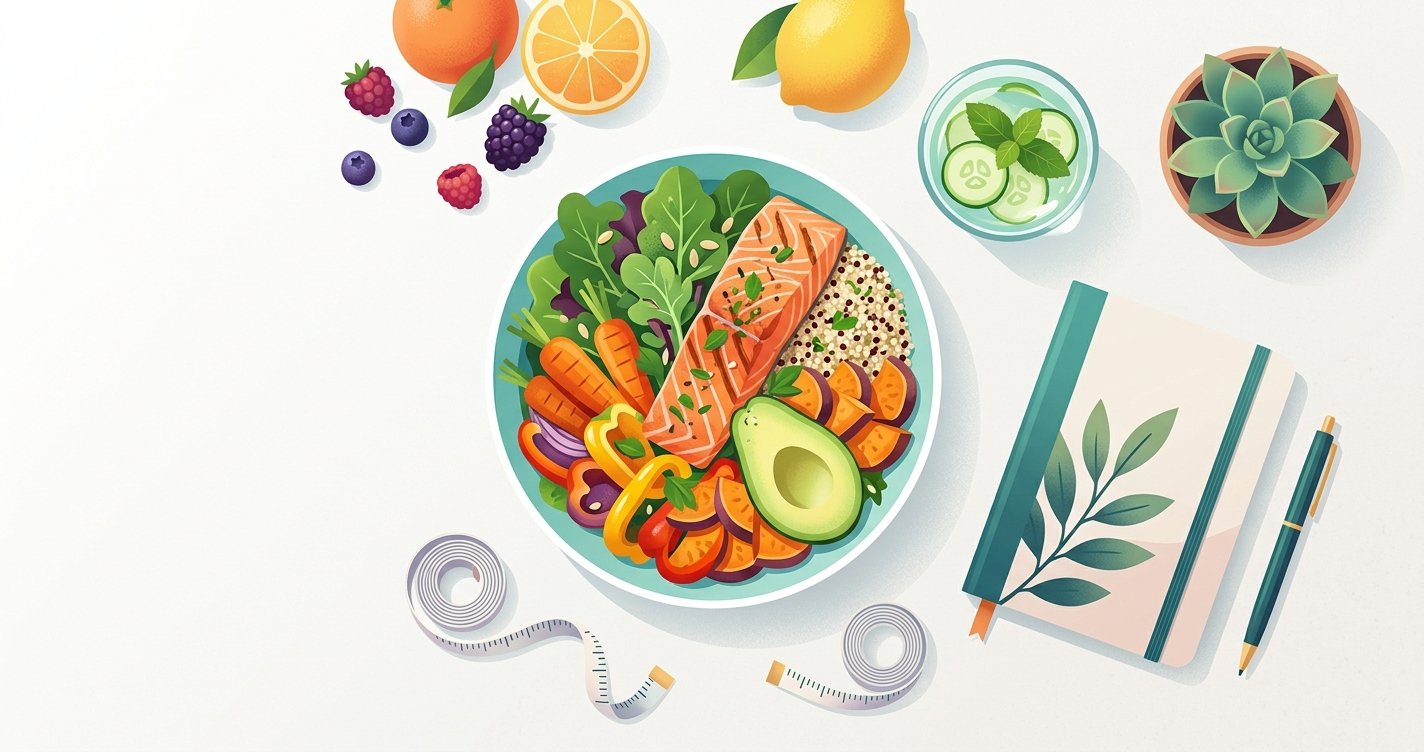
Are you tired of the endless cycle of restrictive diets, quick fixes, and the inevitable rebound? Many people embark on a fat loss journey with high hopes, only to find themselves frustrated and back where they started. The truth is, sustainable fat loss isn't about deprivation; it's about smart, evidence-based nutrition strategies that you can maintain for life. If you're ready to ditch the fads and embrace a path to lasting change, you're in the right place!
This comprehensive guide will walk you through the core principles of nutrition for effective and sustainable fat loss. We'll explore how to fuel your body intelligently, make choices that support your goals without sacrificing enjoyment, and build habits that lead to long-term success. Get ready to transform your relationship with food and achieve the healthy, vibrant body you deserve! this excellent wellness product
Why "Quick Fixes" Don't Last (and What Does!)
The allure of rapid fat loss diets is powerful. Lose 10 pounds in a week! Drop two dress sizes in a month! While these claims might sound exciting, they often lead to highly restrictive eating patterns that are unsustainable and can even be detrimental to your health. These diets typically cause significant water weight loss, not true fat loss, and often result in a slower metabolism and nutrient deficiencies. Once you return to normal eating, the weight (and often more) comes back.
Sustainable fat loss, on the other hand, focuses on creating a caloric deficit through balanced, nutrient-dense foods, coupled with gradual habit changes. This approach protects your muscle mass, supports your metabolism, and teaches you lifelong eating habits. It's not just about losing weight; it's about building a healthier lifestyle that truly lasts.
The Core Pillars of Sustainable Fat Loss Nutrition
When it comes to effective fat loss meals and a healthy fat loss diet, focusing on specific macronutrients and food groups can make a world of difference. Here’s a look at the key players:
Protein Power: Your Satiety & Muscle Ally
If there's one macronutrient to prioritize for sustainable fat loss, it's protein. Research consistently shows that a higher protein intake is crucial for several reasons:
- Increased Satiety: Protein is incredibly filling. Including adequate protein in your meals helps you feel fuller for longer, reducing overall calorie intake and curbing cravings.
- Muscle Preservation: When you're in a calorie deficit, your body can break down muscle tissue for energy. Protein helps protect your lean muscle mass, which is vital for maintaining a healthy metabolism.
- Higher Thermic Effect: Your body expends more energy digesting protein compared to carbohydrates or fats. This means you burn a few extra calories just by eating it!
Great Protein Sources: Lean meats (chicken breast, turkey), fish (salmon, cod), eggs, Greek yogurt, cottage cheese, legumes (lentils, beans), tofu, and protein powder.
Fiber-Rich Foods: The Unsung Heroes of Fullness
Fiber is another powerhouse for a healthy fat loss diet. Often overlooked, fiber plays a critical role in digestive health and satiety:
- Prolonged Fullness: Fiber adds bulk to your meals, slowing down digestion and helping you feel full for longer periods. This is key for managing hunger and reducing snacking.
- Blood Sugar Control: Soluble fiber helps stabilize blood sugar levels, preventing spikes and crashes that can lead to cravings.
- Gut Health: A healthy gut microbiome is increasingly linked to overall health and metabolism. Fiber feeds beneficial gut bacteria.
Excellent Fiber Sources: Vegetables (broccoli, spinach, carrots), fruits (berries, apples, pears), whole grains (oats, quinoa, brown rice), nuts, seeds, and legumes.
Healthy Fats: Essential for Hormones and Flavor
For a long time, fats were demonized in the diet world. However, healthy fats are absolutely essential for your body's functions, including hormone production, nutrient absorption, and yes, even satiety. The key is choosing the right types and consuming them in moderation.
- Satiety Factor: Fats slow down digestion, contributing to a feeling of fullness.
- Nutrient Absorption: Many vitamins (A, D, E, K) are fat-soluble, meaning they require fat for proper absorption.
- Hormone Health: Adequate healthy fat intake is crucial for balanced hormone levels, which play a significant role in metabolism and fat storage.
Smart Fat Sources: Avocados, nuts (almonds, walnuts), seeds (chia, flax, pumpkin), olive oil, fatty fish (salmon, mackerel), and natural nut butters.
Smart Carbohydrates: Fueling Your Body Wisely
Carbohydrates are your body's primary energy source. The trick for sustainable fat loss is to differentiate between highly refined, processed carbs and complex, nutrient-dense options.
- Sustained Energy: Complex carbohydrates provide a steady release of energy, preventing energy crashes and supporting your physical activity levels.
- Nutrient Density: Whole grains, fruits, and vegetables offer essential vitamins, minerals, and antioxidants that support overall health during fat loss.
- Fiber Content: Many healthy carbohydrate sources are also excellent sources of fiber, reinforcing the benefits discussed earlier.
Best Carb Choices: Whole grains (oatmeal, quinoa, brown rice, whole-wheat bread), starchy vegetables (sweet potatoes, potatoes), and a wide variety of fruits.
Beyond Macronutrients: Practical Strategies for Success
Knowing what to eat is one thing; consistently applying that knowledge is another. Here are practical tips for making your effective fat loss meals a reality:
Portion Control: The Art of Mindful Eating
Even with the healthiest foods, overeating can hinder your fat loss progress. Portion control doesn't have to mean obsessive counting; it's about mindfulness and awareness:
- Listen to Your Body: Eat when you're hungry, stop when you're satisfied, not stuffed.
- Smaller Plates: Visually, a smaller plate filled with food looks more substantial, helping to trick your brain into feeling more satisfied.
- Measure Occasionally: Periodically measuring portions (especially of calorie-dense foods like nuts or oils) can help calibrate your internal radar.
- Eat Slowly: Savor your food. It takes about 20 minutes for your brain to register fullness.
Hydration Nation: Don't Forget Your Water!
Water is often overlooked in fat loss discussions, but it's incredibly important. Staying well-hydrated supports metabolism, helps with satiety, and can even reduce the likelihood of mistaking thirst for hunger.
- Drink Before Meals: A glass of water before eating can help you feel fuller and potentially eat less.
- Swap Sugary Drinks: Replace sodas, juices, and sweetened teas with water, sparkling water, or unsweetened herbal tea to cut down on empty calories.
- Carry a Water Bottle: Make it easy to sip throughout the day.
Meal Prepping & Planning: Your Secret Weapon
One of the biggest hurdles to maintaining a healthy fat loss diet is convenience. When you're hungry and unprepared, unhealthy choices become far more tempting. Meal prepping and planning are game-changers:
- Plan Your Week: Spend some time each week planning your meals and snacks. This helps you grocery shop efficiently and avoid impulse buys.
- Cook in Bulk: Dedicate an hour or two to cooking larger batches of staples like grilled chicken, quinoa, roasted vegetables, or hard-boiled eggs.
- Pack Lunches: Bringing your own lunch to work or school ensures you have a healthy, controlled meal.
Embracing Patience and Consistency for Long-Term Weight Loss Food Habits
The journey of sustainable fat loss is not a sprint; it's a marathon. There will be days when you make perfect choices and days when you stumble. The key is consistency over perfection. Don't let one less-than-ideal meal derail your entire week. Get back on track with your next meal, learn from it, and move forward.
Celebrate your small victories – a consistent week of healthy eating, a new vegetable you enjoyed, or feeling more energized. These positive affirmations build momentum and reinforce the sustainable changes you're making. Remember, you're not just losing fat; you're building a healthier, stronger, and more resilient you.
Conclusion
Achieving sustainable fat loss isn't about chasing the latest diet trend; it's about adopting an evidence-based approach to nutrition that fuels your body, satisfies your hunger, and supports your overall well-being. By focusing on protein, fiber, healthy fats, and smart carbohydrates, alongside practical strategies like portion control, hydration, and meal planning, you can build a foundation for lasting success.
Embrace this journey with patience and consistency, knowing that every healthy choice moves you closer to your goals. You have the power to transform your body and your health, one delicious, nutrient-dense meal at a time. Start implementing these nutrition for fat loss strategies today and experience the difference a truly sustainable approach can make!