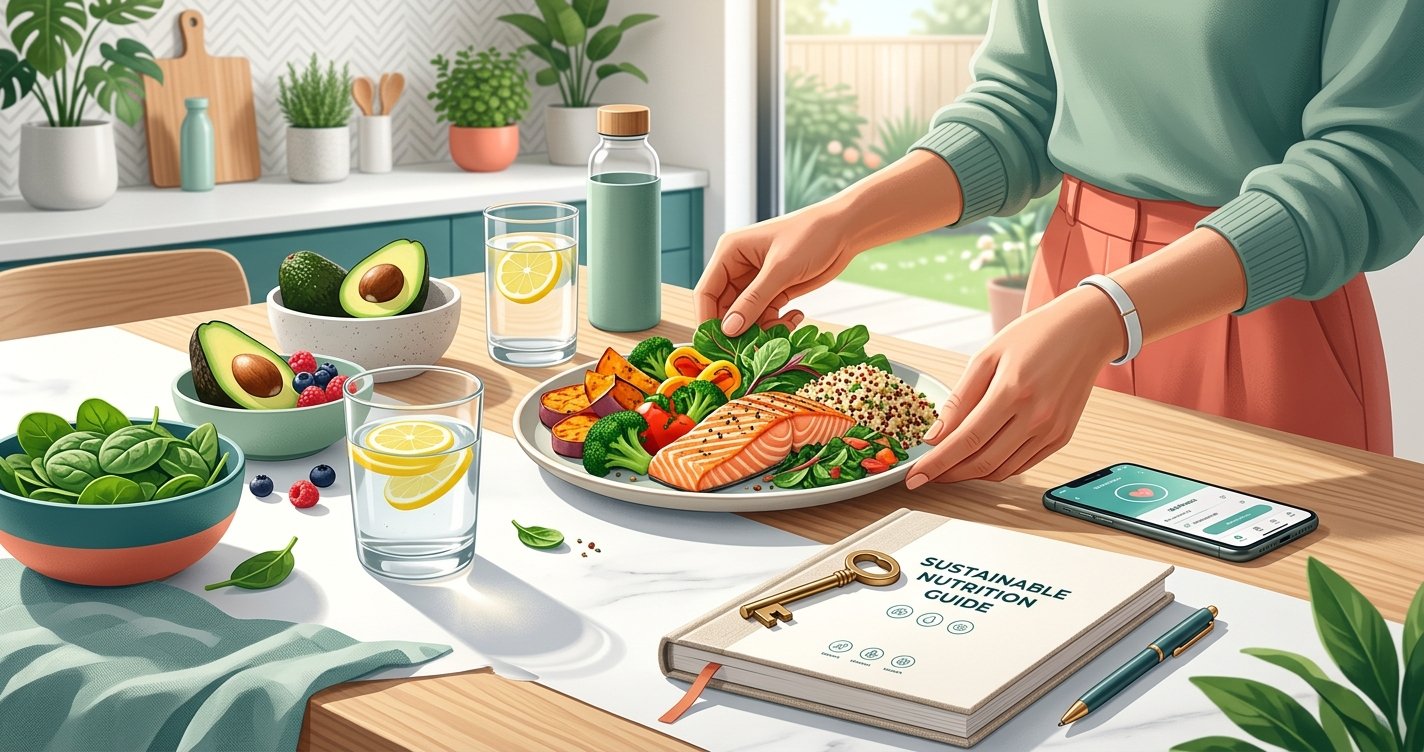
Unlock Sustainable Fat Loss: Your Evidence-Based Guide to Nutrition That Lasts
Have you ever felt caught in the endless cycle of crash diets, quick fixes, and the frustrating rebound weight gain? You’re not alone. Many of us have been there, chasing the promise of rapid fat loss only to find ourselves back at square one, feeling defeated and demotivated. The truth is, sustainable fat loss isn't about deprivation or extreme measures; it's about understanding your body and making informed, consistent nutritional choices that you can stick with for life.
This isn't another diet plan. Instead, consider this your friendly, evidence-based roadmap to building a nutritional foundation that supports genuine fat loss, improves your health, and boosts your energy, all without sacrificing your love for food. Let's ditch the guilt and embrace a smarter, kinder approach to achieving the lasting results you deserve. this excellent wellness product
The Foundation: Calorie Deficit, Understood Simply
At its core, fat loss boils down to one fundamental principle: consuming fewer calories than your body expends. This is known as creating a 'calorie deficit.' Think of your body like a car – it needs fuel (calories) to run. If you give it less fuel than it needs for its daily journey, it starts to tap into its stored reserves (body fat) for energy. It sounds simple, and in theory, it is. However, the art lies in creating this deficit in a way that is manageable, doesn't leave you feeling constantly hungry, and provides your body with all the nutrients it needs to thrive.
A sustainable calorie deficit isn't about starvation. It's about making smart swaps and being mindful of portion sizes, aiming for a moderate deficit (typically 300-500 calories below your maintenance level) that allows for steady, healthy fat loss of around 1-2 pounds per week. This pace is often associated with better long-term adherence and less muscle loss compared to very aggressive deficits.
Powering Up with Protein: Your Satiety & Muscle Ally
If there's one macronutrient to prioritize for fat loss, it's protein. Protein is a powerhouse for several reasons:
- Satiety: Protein is incredibly filling. Studies consistently show that a higher protein intake can significantly reduce appetite and hunger, helping you feel fuller for longer and naturally eat less.
- Thermic Effect of Food (TEF): Your body expends more energy digesting protein compared to carbohydrates or fats. This means you burn a few extra calories just by eating protein-rich foods.
- Muscle Preservation: When you're in a calorie deficit, there's a risk of losing not just fat, but also valuable muscle mass. Adequate protein intake, especially when combined with strength training, helps protect your muscles, which are crucial for maintaining a healthy metabolism.
Aim for a protein source at every meal. Excellent options include lean meats (chicken, turkey, lean beef), fish, eggs, dairy (Greek yogurt, cottage cheese), legumes (lentils, beans), and plant-based proteins like tofu and tempeh.
The Fiber Factor: Fullness, Gut Health, and Steady Energy
Fiber is another unsung hero in the fat loss journey. Often found in abundance in fruits, vegetables, and whole grains, fiber offers a multitude of benefits:
- Enhanced Satiety: Like protein, fiber adds bulk to your meals without adding many calories. It slows down digestion, making you feel full and satisfied for longer.
- Blood Sugar Control: Soluble fiber, in particular, helps to stabilize blood sugar levels, preventing the sharp spikes and crashes that can lead to cravings and energy slumps.
- Gut Health: A healthy gut microbiome is increasingly linked to overall health and even metabolic regulation. Fiber acts as prebiotics, feeding the beneficial bacteria in your gut.
Integrate plenty of high-fiber foods into your diet. Think berries, apples, leafy greens, broccoli, oats, quinoa, and beans. Swapping refined grains for their whole-grain counterparts is a simple yet effective strategy.
Don't Fear the Fat: Choosing Healthy Fats Wisely
For decades, fat was demonized, leading many to believe that cutting all fat was the key to weight loss. We now know that's far from the truth. Healthy fats are essential for hormone production, nutrient absorption, brain function, and yes, even satiety.
The key is to choose the right kinds of fats and consume them in moderation, as they are calorie-dense. Focus on unsaturated fats:
- Monounsaturated Fats: Found in avocados, olive oil, and nuts like almonds and pecans.
- Polyunsaturated Fats: Including omega-3s, found in fatty fish (salmon, mackerel), flaxseeds, and walnuts.
These healthy fats can help keep you satisfied and prevent cravings, making it easier to stick to your calorie goals. Just be mindful of portion sizes – a small handful of nuts or a drizzle of olive oil is often enough.
Carbohydrates: Friend or Foe? Making Smart Choices
Carbohydrates often get a bad rap, but they are your body's primary source of energy. The distinction lies in choosing the right types of carbohydrates. Ditch the highly processed, refined carbs (white bread, sugary drinks, pastries) that offer little nutritional value and can lead to energy crashes and increased hunger.
Instead, embrace complex carbohydrates:
- Whole Grains: Oats, brown rice, quinoa, whole-wheat bread. These provide sustained energy and a good dose of fiber.
- Fruits: Natural sugars bundled with vitamins, minerals, and fiber.
- Vegetables: Low in calories, high in nutrients and fiber – you can eat a lot of them!
The amount of carbohydrates that works best can vary for individuals, but focusing on quality sources and pairing them with protein and fat will contribute to greater satiety and stable energy levels.
The Art of Mindful Eating and Portion Control
Beyond *what* you eat, *how* you eat plays a monumental role in sustainable fat loss. Mindful eating is about paying attention to your food, recognizing hunger and fullness cues, and savoring your meals without distraction.
- Slow Down: It takes about 20 minutes for your stomach to signal to your brain that you're full. Eating slowly gives your body time to register satiety.
- Listen to Your Body: Eat when you're hungry, and stop when you're comfortably full, not stuffed. Learn to distinguish between physical hunger and emotional eating.
- Portion Awareness: Even healthy foods can contribute to excess calories if eaten in large quantities. Use smaller plates, measure out servings initially, and pay attention to visual cues.
- Eliminate Distractions: Put away your phone, turn off the TV. Focus on the taste, texture, and aroma of your food.
Practicing mindful eating can significantly reduce overall calorie intake and foster a healthier relationship with food.
Hydration and Consistency: The Unsung Heroes
Two often-overlooked components of successful fat loss are adequate hydration and unwavering consistency.
- Water, Water, Everywhere: Drinking enough water is crucial. It supports metabolism, helps with satiety (sometimes thirst is mistaken for hunger), and keeps your body functioning optimally. Aim for at least 8 glasses a day, and more if you're active.
- The Power of Consistency: Fat loss isn't a race; it's a marathon. Skipping a workout or having an indulgent meal won't derail your progress if you get back on track with your next choice. Small, consistent efforts accumulate into significant results over time. Progress isn't always linear, so be patient and persistent.
Your Sustainable Fat Loss Journey Starts Now
Embarking on a sustainable fat loss journey means shifting your mindset from temporary diets to a permanent lifestyle change. It’s about nourishing your body, making informed choices, and fostering a positive relationship with food. There will be good days and challenging days, but by focusing on protein, fiber, healthy fats, smart carbs, mindful eating, and consistent habits, you're building a foundation for lasting success.
Remember, this isn't about perfection; it's about progress. Start with small, manageable changes, celebrate your victories, and be kind to yourself along the way. Your body will thank you for it, and you’ll achieve not just a leaner physique, but also enhanced health, energy, and confidence that lasts a lifetime.