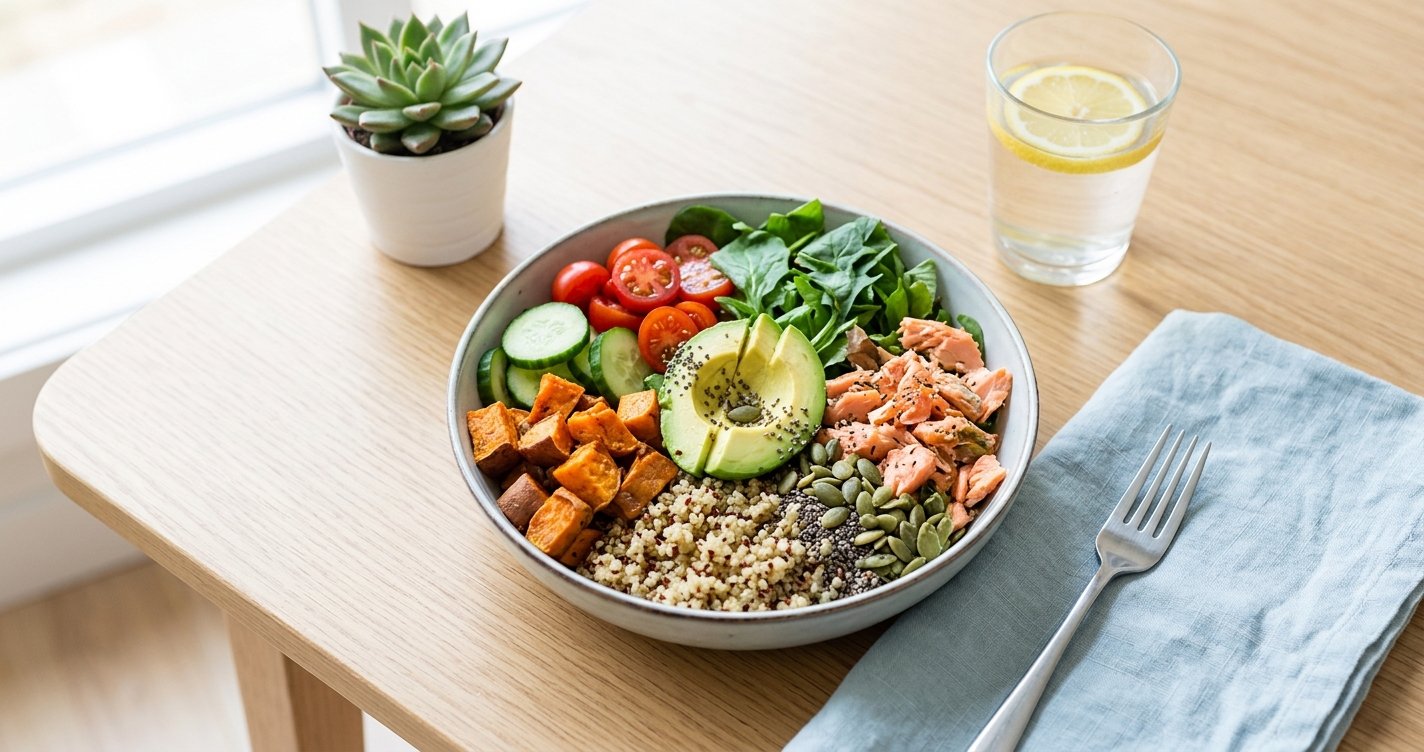
Introduction: Beyond Fad Diets to Lasting Results
Tired of the weight loss rollercoaster? You’re not alone. In a world saturated with quick fixes, extreme diets, and confusing health advice, it’s easy to feel overwhelmed and discouraged. Many people jump from one fad diet to another, losing a few pounds only to regain them (and often more) shortly after. This cycle isn't just frustrating; it can be detrimental to your physical and mental health. But what if there was a better way? A path to fat loss that’s not about deprivation, but about nourishing your body, understanding its needs, and building habits you can maintain for life?
This guide is designed to empower you with evidence-based nutrition strategies for sustainable fat loss. We’ll cut through the noise, offering clear, practical advice rooted in science, not hype. Our goal is to help you cultivate a healthier relationship with food, achieve your fat loss goals, and maintain them long-term, all while feeling energized and vibrant. Let's ditch the quick fixes and embrace a journey of lasting change! this excellent wellness product
The Foundation: Understanding Calorie Deficit & Food Quality
At its core, fat loss requires a consistent calorie deficit – meaning you consume slightly fewer calories than your body burns. Think of it as balancing your energy budget. However, not all calories are created equal, and focusing solely on the number can miss the bigger picture. The quality of your calories profoundly impacts your satiety, energy levels, and overall health.
The Power of Protein: Your Fat Loss Friend
If there's one macronutrient that deserves special attention for fat loss, it's protein. Research consistently shows that a higher protein intake can significantly aid in weight management. Here’s why:
- Satiety: Protein is the most satiating macronutrient, meaning it helps you feel fuller for longer. This can naturally reduce overall calorie intake by curbing hunger and cravings.
- Thermogenic Effect: Your body expends more energy (calories) digesting and metabolizing protein compared to carbohydrates or fats. This is known as the 'thermic effect of food' (TEF).
- Muscle Preservation: When you're in a calorie deficit, there's a risk of losing muscle mass along with fat. Adequate protein intake helps protect your precious muscle, which is metabolically active and important for a healthy metabolism.
Aim for a protein source at every meal. Think lean meats, poultry, fish, eggs, dairy, legumes, and plant-based protein powders.
Fiber-Rich Foods: Your Secret Weapon Against Cravings
Fiber is another nutritional superstar often overlooked. Found abundantly in fruits, vegetables, whole grains, and legumes, fiber plays a crucial role in fat loss and overall digestive health:
- Satiety & Gut Health: Like protein, fiber adds bulk to your meals, promoting feelings of fullness and aiding in healthy digestion. Soluble fiber, in particular, forms a gel-like substance in your gut, slowing down digestion and nutrient absorption.
- Blood Sugar Control: Fiber helps to stabilize blood sugar levels, preventing sharp spikes and crashes that can lead to energy dips and intense cravings.
- Nutrient Density: Fiber-rich foods are typically packed with vitamins, minerals, and antioxidants, nourishing your body even in a calorie deficit.
Make it a priority to include plenty of non-starchy vegetables, berries, whole grains like oats and quinoa, and legumes in your daily diet.
Smart Carbohydrate & Healthy Fat Choices
Carbohydrates and fats often get a bad rap in diet culture, but they are essential for your body's optimal functioning, including fat loss. The key is choosing the right types and quantities.
Carbohydrates: Fuel Your Body Wisely
Carbohydrates are your body's primary energy source. Instead of eliminating them, focus on complex carbohydrates and whole foods:
- Prioritize Whole Grains: Opt for brown rice, quinoa, oats, and whole-wheat bread over refined grains. They provide sustained energy and fiber.
- Load Up on Vegetables & Fruits: These are carbohydrate sources packed with vitamins, minerals, and fiber, offering high nutrient density for relatively few calories.
- Timing: While not strictly necessary, some people find it beneficial to consume the majority of their carbohydrates around periods of high activity (e.g., before or after a workout).
Healthy Fats: Essential for Hormones and Satiety
Fats are crucial for hormone production, nutrient absorption, and brain health. They also contribute significantly to satiety. The trick is to choose healthy, unsaturated fats in moderation.
- Include Monounsaturated & Polyunsaturated Fats: Sources include avocados, nuts, seeds, olive oil, and fatty fish (like salmon).
- Omega-3 Fatty Acids: Found in fish oil, flaxseeds, and chia seeds, these healthy fats have anti-inflammatory properties and can support overall health.
- Portion Control: While healthy, fats are calorie-dense. Be mindful of serving sizes.
Meal Timing & Frequency: Personalize Your Approach
The debate around meal frequency (three square meals vs. multiple small meals) often complicates things. The scientific consensus is that for fat loss, total daily calorie intake is far more important than how often you eat. However, individual preferences and lifestyle play a significant role in adherence.
- Find What Works for You: If you thrive on three larger meals a day, stick with it. If smaller, more frequent meals help you manage hunger, that's fine too.
- Listen to Your Body: Pay attention to your hunger and fullness cues. Don't eat just because the clock says so if you're not hungry.
- Consider Intermittent Fasting (IF): Some individuals find success with IF (e.g., eating within an 8-10 hour window) as it can help simplify calorie control and reduce snacking. However, it's not a magic bullet and isn't suitable for everyone.
The best approach is the one you can consistently adhere to without feeling deprived or overly restricted.
Hydration: The Unsung Hero of Fat Loss
Water is often overlooked in fat loss discussions, yet it plays a critical role in numerous bodily functions, including metabolism. Staying adequately hydrated can significantly support your fat loss journey:
- Metabolism Boost: Water is essential for every metabolic process in your body. Even mild dehydration can slow down your metabolism.
- Satiety & Craving Control: Sometimes, thirst is mistaken for hunger. Drinking a glass of water before meals can help you feel fuller and reduce overall food intake. It can also help curb cravings for sugary drinks.
- Energy Levels: Dehydration can lead to fatigue, which might make you less likely to exercise or more likely to reach for quick energy fixes (i.e., sugary snacks).
Aim for at least 8 glasses (around 2 liters) of water per day, and more if you're active or in a hot climate. Keep a water bottle handy as a visual reminder.
Mindful Eating: Reconnecting with Your Body's Wisdom
Nutrition isn't just about what you eat, but also how you eat. Mindful eating is a powerful tool for fat loss, helping you tune into your body's natural hunger and fullness signals, and fostering a healthier relationship with food.
- Slow Down: Eat without distractions (phones, TV). Savor each bite, noticing the flavors, textures, and aromas. It takes about 20 minutes for your brain to register that your stomach is full.
- Listen to Hunger & Fullness Cues: Before eating, assess your hunger on a scale of 1-10. Stop eating when you're satisfied, not stuffed.
- Identify Emotional Triggers: Are you eating out of boredom, stress, or sadness? Learning to identify these triggers can help you find non-food coping mechanisms.
- Practice Gratitude: Appreciate your food and the nourishment it provides. This shift in mindset can transform your eating experience.
Mindful eating helps you become more aware of your body's true needs, often leading to a natural reduction in overeating and a greater appreciation for nutritious foods.
Building Sustainable Habits & Overcoming Challenges
Fat loss isn't a race; it's a marathon. The most successful strategies are those you can maintain consistently over time. Here’s how to set yourself up for long-term success:
- Focus on Small, Consistent Changes: Don't try to overhaul everything at once. Pick one or two habits to work on (e.g., adding protein to breakfast, drinking more water) and master them before moving to the next.
- Prioritize Consistency Over Perfection: You will have off days – that's part of being human. Don't let one 'slip-up' derail your entire journey. Get back on track with your next meal or day.
- Plan Ahead: Meal prepping, grocery shopping with a list, and having healthy snacks available can significantly reduce the likelihood of making impulsive, less healthy choices.
- Seek Support: Share your goals with a trusted friend, family member, or consider working with a registered dietitian or coach. Accountability can be a powerful motivator.
- Be Patient & Kind to Yourself: Sustainable fat loss takes time. Celebrate small victories, learn from setbacks, and remember that progress isn't always linear. Your body is doing amazing work; treat it with respect.
Conclusion: Your Journey to a Healthier, Happier You
Achieving sustainable fat loss isn't about following a rigid, joyless diet. It's about empowering yourself with knowledge, making informed choices, and building a lifestyle that supports your health and well-being in the long run. By focusing on nutrient-dense foods, adequate protein and fiber, smart carbohydrate and fat choices, hydration, and mindful eating, you're not just losing weight – you're building a foundation for a healthier, more energetic, and happier you.
Remember, this is your unique journey. Experiment, learn what works best for your body and lifestyle, and most importantly, be kind to yourself every step of the way. You have the power to make lasting changes and enjoy the incredible benefits of sustainable fat loss.