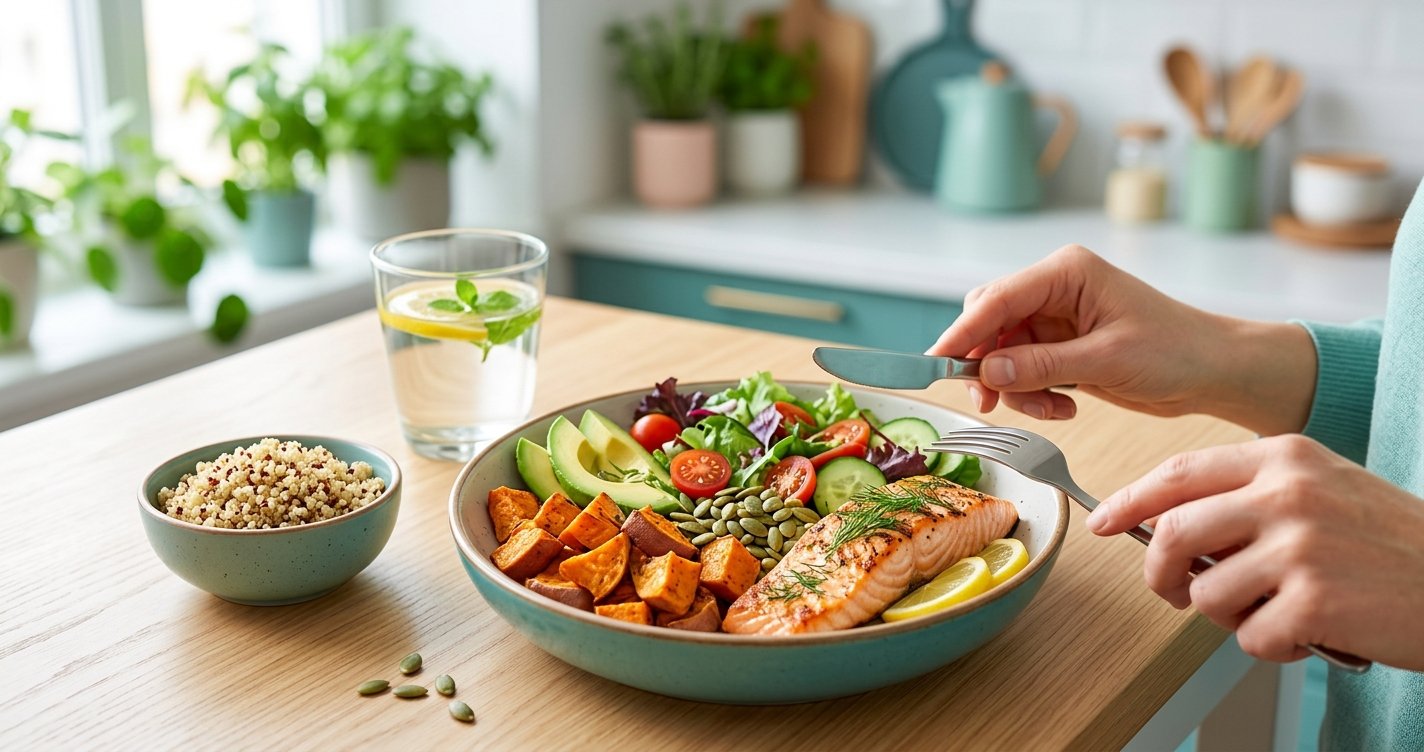
Are you tired of the endless cycle of restrictive diets, quick fixes, and the inevitable rebound? You're not alone. The journey to fat loss can feel like a confusing maze, often leading to frustration and a sense of failure. But what if there was a way to lose fat that felt empowering, nourishing, and, most importantly, sustainable?
This isn't about deprivation or extreme measures. It's about understanding your body, making informed choices, and building habits that support your health and fat loss goals for the long haul. Get ready to ditch the diet dogma and embrace an evidence-based approach to nutrition that truly lasts. this excellent wellness product
The Non-Negotiable Foundation: A Smart Calorie Deficit
Let's get one thing straight: for fat loss to occur, you need to consume fewer calories than your body burns. This is the law of energy balance, and it's backed by countless scientific studies. However, a 'calorie deficit' doesn't mean starvation or feeling constantly hungry. It means creating a moderate, manageable gap between your energy intake and expenditure.
Why Calories Matter for Fat Loss (and Why 'Starving' Doesn't Work)
Your body needs energy (calories) to function—to breathe, think, digest, and move. When you eat fewer calories than your body needs, it starts to tap into its stored energy reserves, primarily body fat. The key word here is 'moderate.' An extreme calorie deficit can backfire, leading to:
- Loss of muscle mass, which slows your metabolism.
- Nutrient deficiencies.
- Intense cravings and binge eating.
- Fatigue and irritability.
- A poor relationship with food.
Instead, aim for a deficit that feels sustainable—typically 300-500 calories below your Total Daily Energy Expenditure (TDEE). This allows for steady fat loss (around 1-2 pounds per week) while preserving muscle and energy levels.
Estimating Your Calorie Needs
You can estimate your TDEE using online calculators (like those based on the Mifflin-St Jeor or Harris-Benedict equations) or by tracking your food intake and weight changes over a few weeks. Start with an estimate, then adjust based on your progress. Remember, these are just starting points; your body is unique!
Prioritizing Protein: Your Fat Loss Powerhouse
If there's one macronutrient to prioritize for fat loss, it's protein. Protein is an absolute superstar for several reasons, all backed by solid research.
The Satiety Secret
Protein is incredibly satiating. It helps you feel fuller for longer compared to carbohydrates or fats, which can significantly reduce overall calorie intake and curb those pesky cravings. Think about it: a chicken breast will keep you satisfied longer than a handful of chips, even if they have similar calorie counts.
Muscle Preservation and Metabolism Boost
When you're in a calorie deficit, your body can sometimes break down muscle tissue for energy, not just fat. Adequate protein intake is crucial for preserving lean muscle mass. Why does this matter? Because muscle is metabolically active, meaning it burns more calories at rest than fat does. Maintaining or even building muscle helps keep your metabolism humming, making fat loss more efficient and sustainable.
The Thermic Effect of Food (TEF)
Protein also has a higher Thermic Effect of Food (TEF) than carbs or fats. This means your body expends more energy (calories) digesting and metabolizing protein. While the effect isn't massive, every little bit helps!
Practical Protein Sources
- Lean meats (chicken breast, turkey, lean beef)
- Fish and seafood (salmon, cod, shrimp)
- Eggs
- Dairy (Greek yogurt, cottage cheese, milk)
- Legumes (lentils, beans, chickpeas)
- Tofu and tempeh
- Protein powder (whey, casein, plant-based)
Aim for roughly 0.7-1 gram of protein per pound of your target body weight daily, spread across your meals.
Carbohydrates: Fueling Your Body Smartly
Carbohydrates have gotten a bad rap in the diet world, but they are not the enemy! They are your body's primary source of energy, especially important for physical activity and brain function. The key is choosing the *right* carbs.
Not All Carbs Are Created Equal
Forget the idea that all carbs are bad. There's a vast difference between a sugary donut and a bowl of oatmeal.
- Complex Carbohydrates: Found in whole grains (oats, brown rice, quinoa), vegetables, and fruits. These are rich in fiber, vitamins, and minerals. They provide a steady release of energy, help with satiety, and support digestive health.
- Simple/Refined Carbohydrates: Found in sugary drinks, white bread, pastries, and processed snacks. These offer quick energy but often lack fiber and nutrients, leading to blood sugar spikes and subsequent crashes, leaving you feeling hungry again quickly.
Focus on getting the majority of your carbohydrate intake from nutrient-dense, high-fiber sources. Fiber is another unsung hero, contributing to fullness and gut health.
Timing and Portion Control
The amount of carbohydrates you need depends on your activity level. If you're very active, you'll need more. If you're more sedentary, you'll need less. Consider consuming a larger portion of your carbs around your workouts to fuel performance and aid recovery.
Fats: Essential for Health and Hormones
Just like carbs, fats have been demonized, but they are absolutely essential for your health and even play a role in fat loss. Fats are crucial for hormone production, nutrient absorption (especially fat-soluble vitamins A, D, E, K), brain health, and providing a concentrated source of energy.
The Good, The Bad, and The Necessary
- Healthy Fats (Monounsaturated and Polyunsaturated): Found in avocados, nuts, seeds, olive oil, and fatty fish (like salmon). These fats are heart-healthy and help reduce inflammation. Omega-3 fatty acids, found in fatty fish, are particularly beneficial.
- Saturated Fats: Found in animal products (red meat, butter) and some plant oils (coconut oil). Consume in moderation.
- Trans Fats: Found in highly processed foods. These are unequivocally bad for your health and should be avoided entirely.
Including healthy fats in your diet can also contribute to satiety, helping you feel full and satisfied after meals. Just remember, fats are calorie-dense (9 calories per gram compared to 4 for protein and carbs), so portion control is key.
The Unsung Heroes: Fiber, Hydration, and Micronutrients
While macros (protein, carbs, fats) get most of the attention, these often-overlooked elements are equally vital for successful and healthy fat loss.
Fiber: Fullness and Digestive Health
We've touched on fiber with complex carbs, but it deserves its own spotlight. Fiber-rich foods (vegetables, fruits, whole grains, legumes) add bulk to your meals without adding many calories. This helps you feel full, regulates blood sugar, and promotes healthy digestion. Aim for 25-35 grams of fiber per day.
Water: Your Metabolic Ally
Staying well-hydrated is incredibly important. Water is involved in almost every bodily function, including metabolism. Sometimes, thirst can be mistaken for hunger, leading to unnecessary snacking. Drinking plenty of water throughout the day can help manage appetite, boost energy, and keep your body functioning optimally.
Micronutrients: Don't Forget the Details
Vitamins and minerals (micronutrients) are the tiny but mighty components that enable your body to perform all its essential functions. While not directly providing energy, they are crucial for energy production, immune function, and overall well-being. Focusing on whole, unprocessed foods naturally ensures a rich intake of these vital nutrients.
Practical Strategies for Sustainable Success
Knowing what to eat is one thing; putting it into practice consistently is another. Here are some actionable strategies to make your fat loss journey sustainable and enjoyable.
Meal Prepping: Your Future Self Will Thank You
Planning and preparing some of your meals in advance can be a game-changer. It helps with portion control, ensures you have healthy options readily available, and reduces the likelihood of impulse eating or relying on unhealthy takeout when you're busy or tired. Dedicate an hour or two each week to prepping some protein, cooking a batch of grains, and chopping vegetables.
Mindful Eating: Listen to Your Body
In our fast-paced world, eating often becomes a rushed, unconscious act. Mindful eating encourages you to slow down, pay attention to your body's hunger and fullness cues, and savor your food. This practice can help you recognize true hunger versus emotional eating, enjoy your meals more, and naturally eat less without feeling deprived.
Flexibility and Balance: The 80/20 Rule
Rigid diets often fail because they are unsustainable. Embrace the 80/20 rule: aim for nutrient-dense, whole foods 80% of the time, and allow yourself flexibility for treats or less-than-perfect meals the other 20%. This approach prevents feelings of deprivation, makes social situations easier, and fosters a healthier, more balanced relationship with food.
Consistency Over Perfection
The path to fat loss isn't linear, and perfection is an illusion. There will be days when you overeat, miss a workout, or make less-than-ideal choices. That's okay! What matters most is consistency over time. Don't let one 'slip-up' derail your entire journey. Get back on track with your next meal and focus on the overall progress, not just individual moments.
Embrace Your Sustainable Journey
Fat loss doesn't have to be a battle against your body or a constant state of deprivation. By focusing on a smart calorie deficit, prioritizing protein, choosing smart carbohydrates, including healthy fats, and remembering the importance of fiber, hydration, and micronutrients, you're building a foundation for lasting success.
Remember, this is a journey, not a destination. Be patient with yourself, celebrate small victories, and focus on building habits that nourish your body and mind. You have the power to transform your health and achieve sustainable fat loss. Start today, one smart, delicious, and satisfying meal at a time!