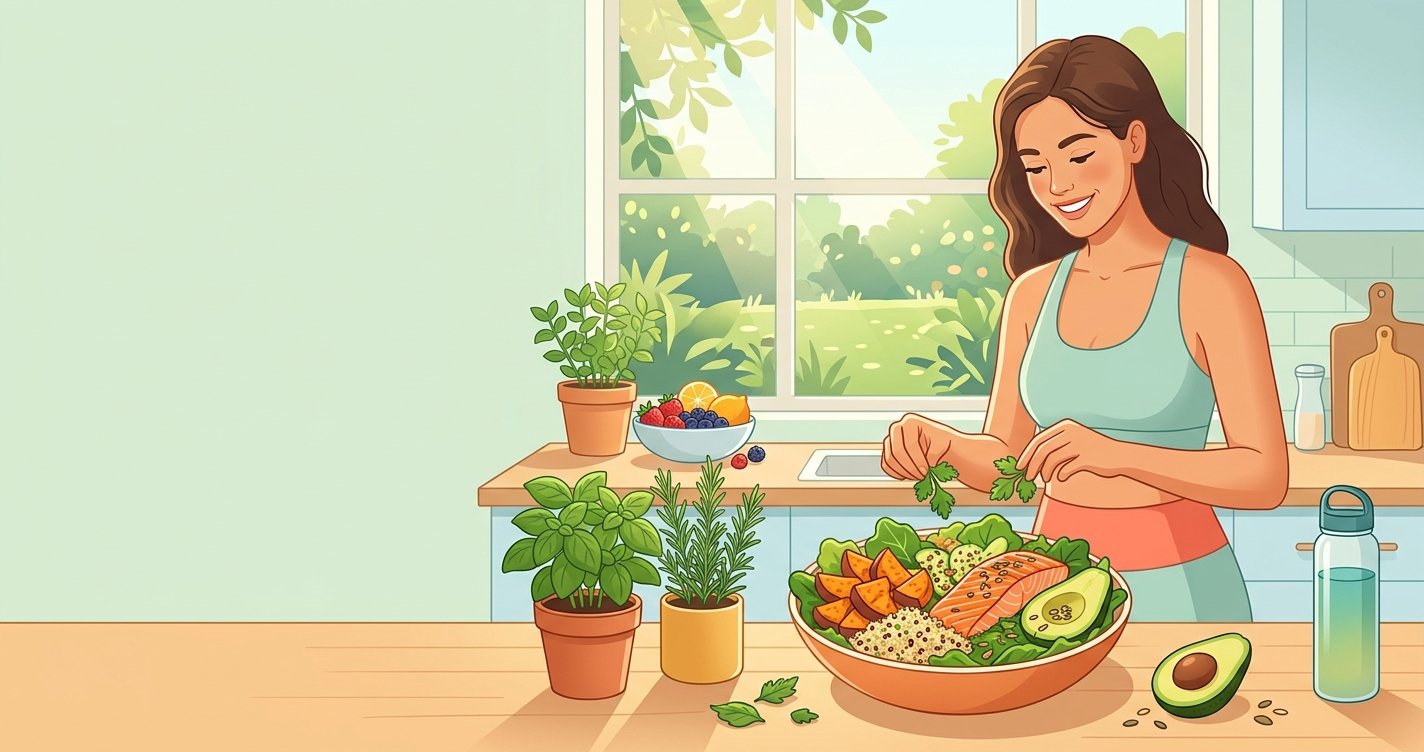
Tired of the endless cycle of restrictive diets, quick fixes, and disappointing results? You're not alone. The world of fat loss can often feel overwhelming, filled with conflicting advice and unrealistic promises. But what if we told you that achieving your fat loss goals doesn't have to mean deprivation or misery? What if it could be a journey of understanding, nourishing your body, and building habits that last a lifetime?
Welcome to your comprehensive guide to sustainable fat loss through smarter nutrition. We're going to ditch the fads and focus on evidence-based strategies that empower you to make informed choices, enjoy your food, and see lasting results. Get ready to transform your approach to eating, not just to lose weight, but to cultivate a healthier, happier you. this excellent wellness product
The Foundation: Understanding Caloric Deficit (Without Obsession)
At its core, fat loss boils down to one fundamental principle: consuming fewer calories than your body burns. This is known as a caloric deficit. While it sounds simple, the nuance lies in *how* you achieve this deficit and sustain it without feeling constantly hungry or deprived.
Forget extreme calorie cutting that leaves you exhausted and irritable. A sustainable caloric deficit means a modest reduction in your daily intake – enough to prompt your body to tap into its fat stores for energy, but not so drastic that it negatively impacts your metabolism, energy levels, or mental well-being. Think of it as a gentle nudge, not a harsh shove. Understanding your Total Daily Energy Expenditure (TDEE) can be a helpful starting point, but remember, perfection isn't the goal; consistency and smart choices are.
Prioritizing Protein: Your Fat Loss MVP
If there's one nutrient that deserves a standing ovation in your fat loss journey, it's protein. This powerhouse macronutrient is absolutely crucial for several reasons that directly support your goals.
Why Protein Reigns Supreme
- Satiety Superstar: Protein is incredibly filling. Including adequate protein in your meals helps you feel fuller for longer, reducing the likelihood of snacking on less nutritious options between meals.
- Muscle Preservation: When you're in a caloric deficit, your body might try to break down muscle tissue for energy. Protein helps protect your precious muscle mass, which is vital because muscle burns more calories at rest than fat does!
- Thermic Effect of Food (TEF): Your body expends more energy digesting protein compared to fats or carbohydrates. This means you burn a few extra calories just by eating protein-rich foods.
Practical Protein Power-Ups
Aim to include a good source of protein at every meal. Here are some excellent options:
- Lean meats (chicken breast, turkey, lean beef)
- Fish and seafood (salmon, cod, tuna, shrimp)
- Eggs (whole eggs are fantastic!)
- Dairy products (Greek yogurt, cottage cheese, milk)
- Legumes (lentils, beans, chickpeas)
- Tofu and tempeh
- Protein powder (whey, casein, plant-based)
A general guideline is to aim for 0.7-1 gram of protein per pound of your target body weight, but even increasing your current intake significantly will yield benefits.
Don't Fear the Carbs (Choose Wisely!)
Carbohydrates have gotten a bad rap in many diet circles, but they are essential for energy, brain function, and even mood! The key isn't to eliminate them, but to choose the right kind.
The Good, The Bad, and The Necessary
- Complex Carbs (The Good): These are your friends. Found in whole grains, fruits, and vegetables, complex carbohydrates are rich in fiber and provide a steady release of energy, preventing blood sugar spikes and crashes. They keep you full and energized.
- Simple Carbs (The Less Good, in Excess): Think sugary drinks, white bread, pastries, and candies. These provide quick energy but often lack nutrients and fiber, leading to energy crashes and increased hunger. Enjoy them in moderation, if at all.
Embrace whole-food carbohydrate sources like oats, quinoa, brown rice, sweet potatoes, berries, apples, and a colorful array of vegetables. These fuel your workouts, support recovery, and contribute vital micronutrients to your diet.
Healthy Fats: Essential for Hormones and Satiety
Just like carbs, fats have been unfairly demonized. Healthy fats are crucial for numerous bodily functions, including hormone production, nutrient absorption, and yes, even fat loss!
Quality Over Quantity
Fats are calorie-dense, so portion control is important. However, don't cut them out entirely. Focus on incorporating monounsaturated and polyunsaturated fats, especially omega-3 fatty acids.
- Avocados
- Nuts (almonds, walnuts, pecans)
- Seeds (chia, flax, hemp)
- Olive oil and other healthy oils
- Fatty fish (salmon, mackerel, sardines)
These fats contribute to satiety, help regulate hormones, and support overall health. A handful of nuts, a drizzle of olive oil, or a slice of avocado can make your meals more satisfying and nutritious.
Fiber: The Unsung Hero of Satiety and Gut Health
Fiber is often overlooked but plays a starring role in sustainable fat loss. It’s primarily found in plant-based foods and offers a wealth of benefits.
- Increased Fullness: Fiber adds bulk to your meals without adding many calories. It slows down digestion, helping you feel fuller for longer and preventing overeating.
- Improved Digestion: Regular fiber intake promotes healthy bowel movements, preventing constipation and contributing to overall gut health. A healthy gut microbiome is increasingly linked to metabolic health and weight management.
- Blood Sugar Control: Soluble fiber, in particular, can help stabilize blood sugar levels, preventing those sharp spikes and drops that often lead to cravings.
Load up on fruits, vegetables, whole grains, legumes, nuts, and seeds to boost your fiber intake naturally.
Hydration: Simple Yet Powerful
It sounds basic, but adequate water intake is a game-changer for fat loss and overall health. Don't underestimate its power!
- Boosts Metabolism: Water is essential for metabolic processes. Even mild dehydration can slow down your metabolism.
- Reduces Hunger: Sometimes, thirst can be mistaken for hunger. Drinking a glass of water before a meal can help you feel fuller and potentially eat less.
- Supports Energy: Staying hydrated keeps your energy levels up, which is crucial for staying active and avoiding fatigue-induced snacking.
Aim for at least 8 glasses of water a day, and more if you're exercising or in a hot climate. Keep a water bottle handy as a constant reminder.
Mindful Eating and Portion Control: Beyond the Numbers
While understanding macros and calories is helpful, true sustainable fat loss also involves retraining your relationship with food. This is where mindful eating comes in.
Listen to Your Body
- Eat Slowly: It takes about 20 minutes for your brain to register that you're full. Eating slowly gives your body time to signal satiety.
- Pay Attention to Hunger Cues: Learn to distinguish between true physical hunger and emotional hunger or boredom. Eat when you're hungry, stop when you're comfortably full, not stuffed.
- Minimize Distractions: Eat away from screens and focus on the taste, texture, and aroma of your food. This enhances enjoyment and awareness.
Practical Portion Strategies
- The Plate Method: Fill half your plate with non-starchy vegetables, a quarter with lean protein, and a quarter with complex carbohydrates.
- Use Smaller Plates: A simple trick that can make your portions look more substantial.
- Measure Occasionally: You don't need to track every meal forever, but occasionally measuring portions of calorie-dense foods can help calibrate your perception of what a healthy serving looks like.
Consistency and Patience: The Real Secret Sauce
The journey to sustainable fat loss isn't a sprint; it's a marathon. There will be good days and challenging days, progress and plateaus. The real secret to success lies in two powerful ingredients: consistency and patience.
Don't let a single 'bad' meal or even a 'bad' day derail your efforts. Get back on track with your next meal. Focus on building sustainable habits that you can maintain long-term, rather than chasing quick fixes that are impossible to stick with. Celebrate small victories, learn from setbacks, and trust the process. Your body needs time to adapt, and true, lasting change takes time.
Embrace Your Journey to a Healthier You
Sustainable fat loss through smarter nutrition is about empowerment, not deprivation. It's about understanding your body, making informed choices, and fostering a healthy relationship with food that supports your well-being for years to come. By prioritizing protein, choosing smart carbs and healthy fats, boosting fiber, staying hydrated, and practicing mindful eating, you're not just losing weight – you're building a foundation for vibrant health and lasting happiness. You've got this!