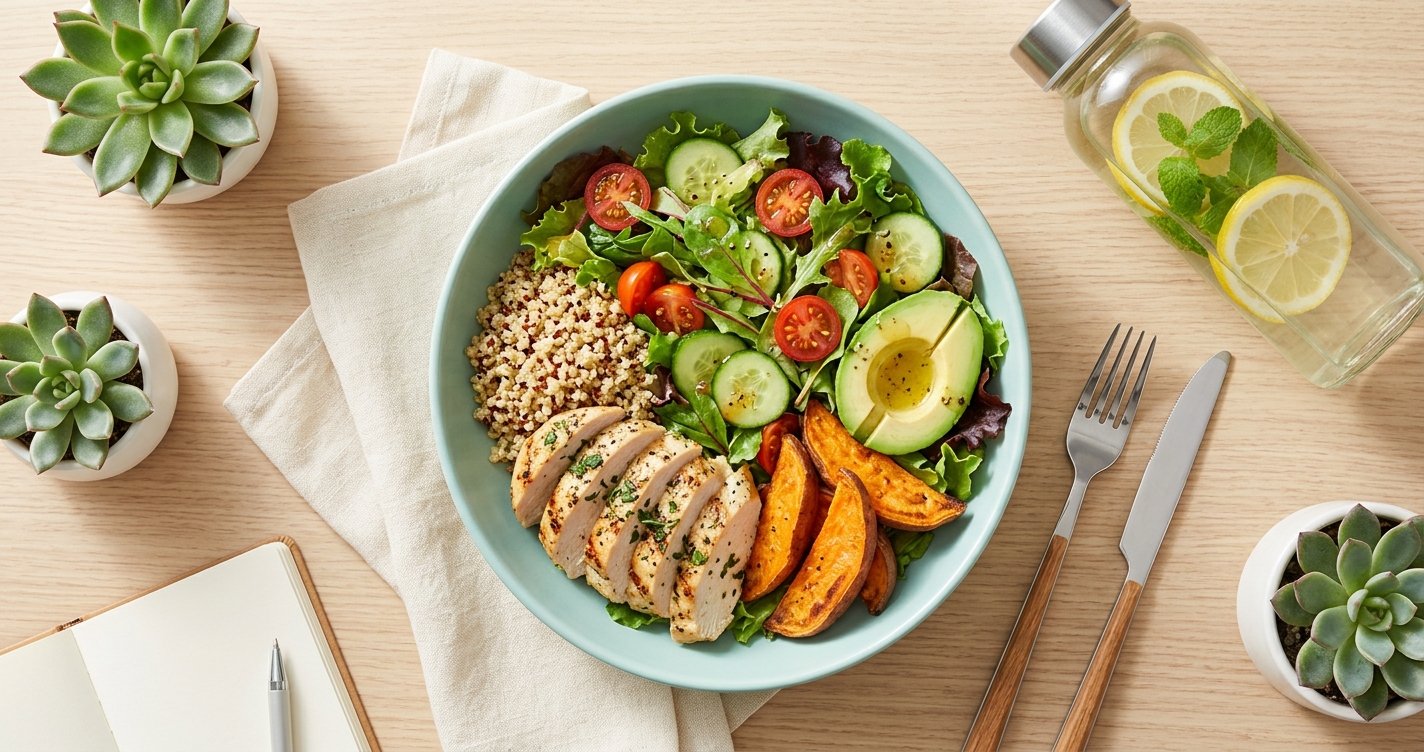
Beyond Quick Fixes: Your Evidence-Based Guide to Sustainable Fat Loss Nutrition
We’ve all been there: scrolling through social media, bombarded by promises of rapid weight loss, miracle diets, and 'shredding' challenges that guarantee results in mere weeks. The allure of a quick fix is powerful, especially when you’re eager to see changes in your body. But here's the honest truth, backed by countless studies and real-world experiences: while these extreme approaches might deliver initial drops on the scale, they rarely lead to lasting fat loss.
Why? Because sustainable fat loss isn't about deprivation or drastic measures; it's about building a healthier relationship with food and adopting habits you can maintain for life. It’s about understanding your body, fueling it wisely, and playing the long game. If you're ready to ditch the yo-yo dieting cycle and embrace a path that truly works, you're in the right place. This guide will walk you through evidence-based nutrition strategies for long-term fat loss, focusing on practical, friendly, and empowering advice. this excellent wellness product
The Cornerstone: Understanding Your Calorie Deficit (Without Starving!)
At its core, fat loss boils down to one fundamental principle: consuming fewer calories than your body burns. This is known as a calorie deficit. It might sound overly simplistic, but it’s the non-negotiable scientific foundation. However, how you achieve that deficit makes all the difference.
What is a Calorie Deficit?
Imagine your body as a car. It needs fuel (calories) to run. If you put in less fuel than it needs for its daily journey, it starts to tap into its reserves – stored body fat. A sustainable deficit isn't about extreme restriction; it's about a moderate reduction (typically 300-500 calories below your maintenance level) that allows your body to slowly and steadily burn fat without triggering extreme hunger or metabolic slowdowns.
Finding Your 'Sweet Spot'
You can estimate your daily calorie needs using online calculators (search for 'TDEE calculator' – Total Daily Energy Expenditure). This will give you a starting point. Then, subtract 300-500 calories to find your target for fat loss. Remember, these are estimates, and your body is unique. Listen to it, and adjust as needed. The goal isn't to feel constantly deprived, but comfortably satisfied while making progress.
Fueling Your Body Right: The Power of Macronutrients
Once you understand the calorie deficit, the next crucial step is optimizing what you eat within that deficit. This is where macronutrients – protein, carbohydrates, and fats – come into play.
Protein: Your Fat Loss Ally
- Satiety Superstar: Protein is incredibly filling. Including adequate protein in each meal helps you feel fuller for longer, reducing the likelihood of overeating.
- Muscle Preservation: When you're in a calorie deficit, your body can sometimes break down muscle tissue for energy. Protein helps protect your precious muscle mass, which is vital for a healthy metabolism.
- Thermic Effect: Your body burns more calories digesting protein compared to carbs or fats.
Aim for 0.7-1 gram of protein per pound of your target body weight. Excellent sources include lean meats, poultry, fish, eggs, dairy, legumes, and plant-based protein powders.
Fiber: The Gut-Friendly Satiety Booster
Fiber, found abundantly in plants, is another powerful tool for fat loss. It adds bulk to your meals without adding many calories, promoting feelings of fullness and aiding digestion. It also helps regulate blood sugar levels, preventing energy crashes and subsequent cravings.
Load up on fruits, vegetables, whole grains (oats, quinoa, brown rice), and legumes (beans, lentils).
Healthy Fats: Don't Fear Them!
While fats are calorie-dense, healthy fats are essential for hormone production, nutrient absorption, and overall health. They also contribute to satiety. The key is moderation and choosing the right types.
Focus on sources like avocados, nuts, seeds, olive oil, and fatty fish (salmon, mackerel).
Carbohydrates: Choose Wisely
Carbohydrates are your body's primary energy source. The type of carbs you choose matters significantly. Prioritize complex carbohydrates, which are rich in fiber and provide sustained energy, over refined carbs that cause blood sugar spikes and crashes.
Think sweet potatoes, brown rice, quinoa, oats, and whole-wheat bread instead of white bread, sugary cereals, and pastries.
Beyond Macros: The Importance of Food Quality
While macronutrients are important, focusing on the quality of your food choices within those categories is paramount for long-term health and sustainable fat loss.
Prioritize Whole, Unprocessed Foods
This is perhaps the most impactful advice. Whole foods – single-ingredient foods like fruits, vegetables, lean proteins, and whole grains – are packed with vitamins, minerals, and antioxidants. They are naturally more filling and provide sustained energy compared to highly processed foods which are often engineered to be hyper-palatable and low in nutrients, making overconsumption easy.
Hydration: Often Overlooked, Always Essential
Drinking enough water is crucial for countless bodily functions, including metabolism. Sometimes, thirst can be mistaken for hunger, leading to unnecessary snacking. Aim for 8-10 glasses of water daily, and sip throughout the day. Herbal teas and sparkling water can also contribute to your intake.
Building Sustainable Habits: Practical Strategies
Knowledge is power, but application is what drives results. Here are actionable strategies to integrate these principles into your daily life.
Mindful Eating: Savoring Every Bite
In our fast-paced world, we often eat distractedly. Mindful eating means paying attention to your food – its taste, texture, smell – and listening to your body's hunger and fullness cues. Eat slowly, put your fork down between bites, and truly enjoy your meals. This helps prevent overeating and increases satisfaction.
Meal Planning & Preparation: Your Secret Weapon
Failing to plan is planning to fail, especially when it comes to nutrition. Dedicate some time each week to plan your meals and snacks. Prepare healthy options in advance (e.g., chop vegetables, cook a batch of chicken, portion out snacks). This reduces decision fatigue and helps you make healthier choices when hunger strikes.
Portion Control: A Skill, Not a Punishment
Understanding appropriate portion sizes is key. You don't need to meticulously weigh everything forever, but initially, using measuring cups, spoons, or even visual cues (e.g., a deck of cards for protein, your cupped hand for carbs) can be incredibly helpful. Over time, you'll develop an intuitive sense of what a healthy portion looks like.
Navigating Social Situations & Cravings
Life happens! Social gatherings, restaurant meals, and occasional cravings are normal. Don't let them derail your progress. Strategies include eating a healthy snack before an event, choosing wisely from menus, and allowing for occasional treats in moderation. The 80/20 rule (eating healthily 80% of the time and allowing flexibility for the other 20%) is a fantastic sustainable approach.
The Mental Game: Patience, Persistence, and Self-Compassion
Sustainable fat loss isn't just about what's on your plate; it's also about your mindset.
Embrace the Journey, Not Just the Destination
Fat loss is rarely linear. There will be good days and challenging days. Focus on the progress you're making in building healthier habits, not just the number on the scale. Celebrate non-scale victories like increased energy, better sleep, or clothes fitting differently.
Don't Chase Perfection, Chase Consistency
One 'bad' meal or even a 'bad' day won't undo all your progress. What matters most is what you do consistently over time. If you slip up, acknowledge it, learn from it, and get right back on track with your next meal. Self-criticism is counterproductive; self-compassion is empowering.
Your Path to Lasting Fat Loss Starts Now
Ditching the quick fixes and embracing a sustainable approach to nutrition might feel slower initially, but it’s the only path that leads to lasting results and genuine well-being. By focusing on a moderate calorie deficit, prioritizing protein and fiber, choosing whole foods, staying hydrated, and building mindful eating habits, you're not just losing fat – you're building a healthier, stronger, and more vibrant you.
Remember, this is a journey of self-discovery and empowerment. Be patient with yourself, celebrate every step forward, and trust the process. Your body will thank you for it!