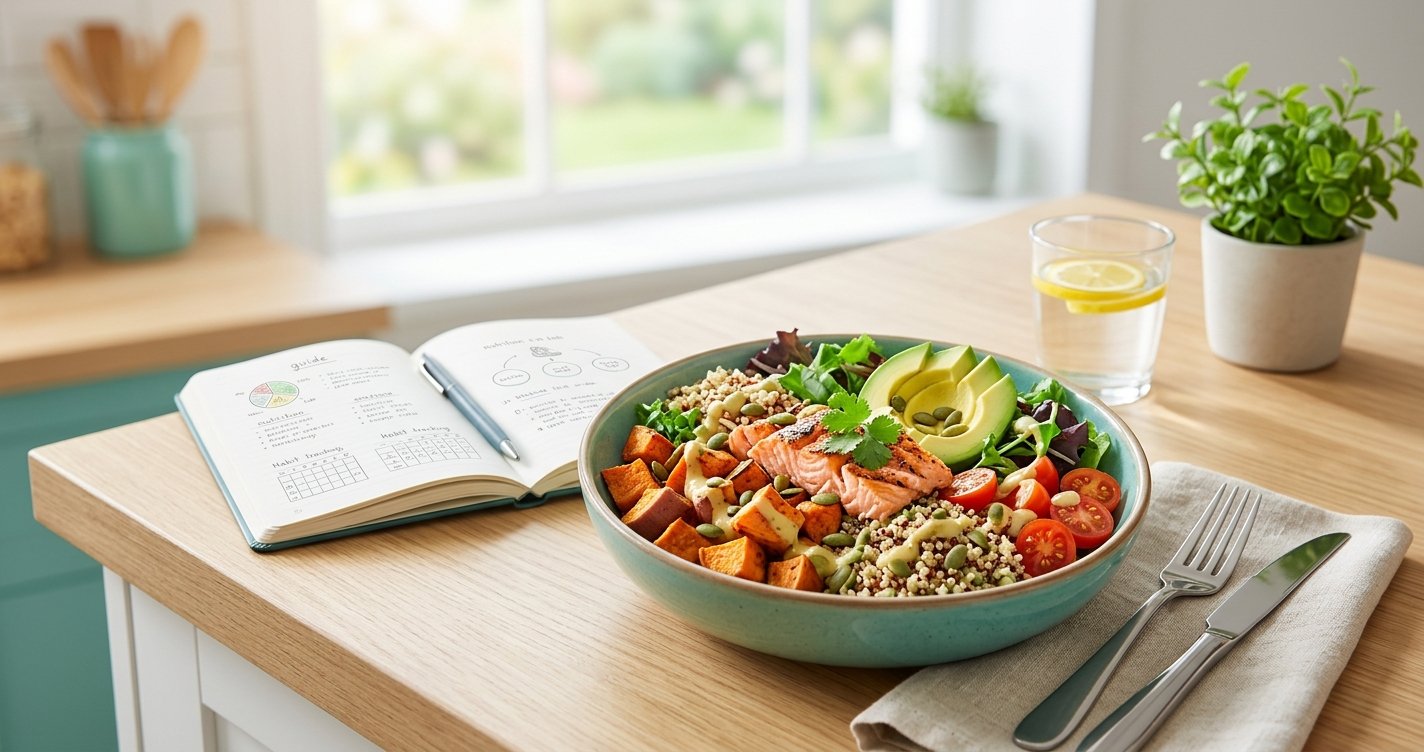
Are you tired of the endless cycle of restrictive diets, quick fixes, and the frustration of seeing your efforts vanish as soon as you stop? You're not alone. Many embark on their fat loss journey with high hopes, only to be met with unsustainable methods that leave them feeling deprived and defeated. The good news? Sustainable fat loss is not a myth, and it doesn't require extreme measures. It's built on a foundation of smart, evidence-based nutrition strategies that nourish your body, keep you feeling satisfied, and fit seamlessly into your life.
This guide is designed to cut through the noise, offering you clear, actionable, and friendly advice on how to optimize your nutrition for lasting fat loss. We'll explore the core principles that truly matter, helping you build habits that stick and achieve a healthier, happier you without sacrificing your sanity. this excellent wellness product
The Foundation: Understanding Your Calorie Deficit Smartly
Let's get one thing straight: at its core, fat loss boils down to a calorie deficit. This means consistently consuming fewer calories than your body expends. Think of it like a bank account: if you spend more money than you earn, your savings (or fat stores) will eventually decrease. It sounds simple, and in principle, it is. However, the 'how' you achieve this deficit makes all the difference between a fleeting diet and a sustainable lifestyle change.
Why a Deficit is Non-Negotiable
Your body stores excess energy as fat. To tap into those stores, you need to signal to your body that it needs to use them. A calorie deficit is that signal. Without it, even the 'healthiest' foods won't lead to fat loss if consumed in excess. Understanding this fundamental principle empowers you to make informed decisions about your food intake rather than blindly following fads.
Achieving It Sustainably, Not Drastically
The biggest mistake people make is trying to create too large a deficit too quickly. This often leads to extreme hunger, nutrient deficiencies, energy crashes, and eventually, burnout and giving up. A moderate deficit (typically 300-500 calories below your maintenance level) is far more sustainable. Here's how to approach it smartly:
- Track Briefly: For a few days or weeks, use an app to track your food intake. This isn't about lifelong tracking, but about building awareness of your typical calorie consumption and identifying areas for easy cuts.
- Smart Swaps: Instead of eliminating entire food groups, look for lower-calorie, nutrient-dense alternatives. Swap sugary drinks for water, creamy sauces for herb-based ones, or highly processed snacks for fruits and nuts.
- Portion Control: Often, we eat too much of even healthy foods. Learn what a true serving size looks like for different foods.
Power Up with Protein: Your Satiety and Muscle Ally
If there's one macronutrient to prioritize for fat loss, it's protein. Protein is not just for bodybuilders; it's a critical component of any successful fat loss strategy, offering a multitude of benefits that directly support your goals.
The Triple Threat of Protein for Fat Loss
Protein works wonders in three key ways:
- Satiety Superstar: Protein is the most satiating macronutrient. It keeps you feeling fuller for longer, significantly reducing cravings and overall calorie intake. When you're satisfied, you're less likely to snack mindlessly.
- Thermic Effect of Food (TEF): Your body expends energy to digest and metabolize food. Protein has a higher TEF than carbohydrates or fats, meaning you burn more calories just by eating it!
- Muscle Preservation: When you're in a calorie deficit, there's a risk of losing not just fat, but also precious muscle mass. Adequate protein intake helps preserve your lean muscle, which is metabolically active and crucial for maintaining a healthy metabolism.
Smart Protein Choices and Intake
Aim for roughly 0.7 to 1 gram of protein per pound of your target body weight. Spread your protein intake across all your meals and snacks to maximize its benefits. Excellent sources include:
- Lean Meats: Chicken breast, turkey, lean beef, pork tenderloin.
- Fish & Seafood: Salmon, tuna, cod, shrimp.
- Eggs & Dairy: Whole eggs, Greek yogurt, cottage cheese, milk.
- Legumes & Plant-Based: Lentils, beans, chickpeas, tofu, tempeh, edamame.
- Protein Supplements: Whey, casein, or plant-based protein powders can be convenient for boosting intake.
Embrace Whole Foods: Fueling Your Body with Nature's Best
While a calorie deficit is paramount, the quality of those calories profoundly impacts your health, energy levels, and long-term success. Shifting your focus towards whole, unprocessed foods is a game-changer for sustainable fat loss.
The Benefits of Whole, Unprocessed Foods
Whole foods are those that are close to their natural state – think an apple instead of apple juice, or brown rice instead of white bread. They are:
- Nutrient-Dense: Packed with vitamins, minerals, and antioxidants that support overall health and energy.
- High in Fiber: We'll dive deeper into fiber soon, but it's a key player in satiety and digestive health.
- Lower Calorie Density: You can eat a larger volume of whole foods for fewer calories, helping you feel full without overeating.
- Better for Gut Health: The natural compounds in whole foods support a healthy gut microbiome, which is increasingly linked to weight management.
Practical Steps for a Whole Food Diet
- Focus on Produce: Make fruits and vegetables the stars of your plate. Aim for a variety of colors.
- Choose Whole Grains: Opt for oats, quinoa, brown rice, and whole-wheat bread over refined grains.
- Healthy Fats: Include sources like avocados, nuts, seeds, and olive oil in moderation for essential fatty acids and satiety.
- Meal Prep: Preparing healthy meals and snacks in advance can prevent you from reaching for convenient, processed options when hunger strikes.
- Read Labels: Be mindful of added sugars, unhealthy fats, and excessive sodium in packaged foods.
The Unsung Heroes: Fiber, Hydration, and Mindful Eating
Beyond the main macronutrients, certain elements of your diet and eating habits play a crucial, often underestimated, role in your fat loss journey.
Fiber: Your Digestive Dynamo for Fullness
Fiber is a type of carbohydrate that your body can't digest. It comes in two forms: soluble (dissolves in water, forming a gel) and insoluble (adds bulk to stool). Both are vital for fat loss:
- Satiety: Fiber adds bulk to your meals, slowing down digestion and keeping you feeling full longer.
- Blood Sugar Control: Soluble fiber helps stabilize blood sugar levels, preventing spikes and crashes that can lead to cravings.
- Gut Health: Feeds beneficial gut bacteria, contributing to overall well-being.
Load up on fiber from vegetables, fruits (especially with the skin), legumes, nuts, seeds, and whole grains.
Hydration: More Than Just Thirst Quenching
Water is essential for every bodily function, including metabolism. Dehydration can lead to fatigue, reduced athletic performance, and even mistaken hunger signals. Often, when you feel hungry, you might just be thirsty!
- Boost Metabolism: Staying well-hydrated helps your metabolic processes run efficiently.
- Satiety Aid: Drinking water before meals can help fill your stomach, leading to reduced food intake.
- Energy Levels: Adequate hydration prevents the energy dips that can lead to reaching for sugary snacks.
Aim for at least 8 glasses of water a day, and more if you're active or in a hot climate.
Mindful Eating: Connecting with Your Body's Signals
Mindful eating is about paying attention to your food, your body's hunger and fullness cues, and the entire eating experience. It's a powerful tool against overeating and emotional eating.
- Slow Down: Eat slowly, savoring each bite. It takes about 20 minutes for your brain to register fullness.
- Eliminate Distractions: Turn off the TV, put away your phone. Focus solely on your meal.
- Listen to Your Body: Eat when you're hungry, and stop when you're comfortably satisfied, not stuffed.
- Chew Thoroughly: Aids digestion and gives your body time to process what you're eating.
Beyond the Plate: Lifestyle Factors for Sustained Success
While nutrition is the cornerstone of fat loss, it doesn't operate in a vacuum. Other lifestyle factors significantly impact your body's ability to shed fat and maintain a healthy weight.
Prioritize Sleep: The Overlooked Fat Loss Factor
In our fast-paced world, sleep is often the first thing to be sacrificed. However, chronic sleep deprivation wreaks havoc on your hormones, directly impacting fat loss:
- Ghrelin & Leptin: Lack of sleep increases ghrelin (the hunger hormone) and decreases leptin (the satiety hormone), making you hungrier and less satisfied.
- Cortisol: Poor sleep elevates cortisol, the stress hormone, which can promote fat storage, especially around the belly.
- Insulin Sensitivity: Sleep deprivation can reduce insulin sensitivity, making it harder for your body to process glucose and store fat efficiently.
Aim for 7-9 hours of quality sleep per night.
Manage Stress: Taming the Cortisol Beast
Similar to lack of sleep, chronic stress keeps cortisol levels elevated. While cortisol is essential for fight-or-flight responses, prolonged high levels can lead to increased appetite, cravings for comfort foods, and a tendency to store fat, particularly in the abdominal area.
- Identify Stressors: Recognize what triggers your stress.
- Adopt Stress-Reduction Techniques: Practice mindfulness, meditation, yoga, spend time in nature, engage in hobbies, or simply take deep breaths.
- Seek Support: Don't hesitate to talk to friends, family, or a professional if stress feels overwhelming.
Consistency, Not Perfection: The Marathon Mentality
Sustainable fat loss is a journey, not a sprint. There will be days when you make less-than-ideal food choices, or miss a workout. That's perfectly normal! The key is to not let one slip-up derail your entire progress. Learn from it, adjust, and get back on track with your next meal or opportunity.
Focus on building consistent habits over time. Small, consistent efforts compound into significant, lasting results.
Your Path to Sustainable Fat Loss Starts Now
Achieving sustainable fat loss isn't about deprivation or following a complex set of rules. It's about empowering yourself with knowledge and making informed, consistent choices that support your body's natural ability to thrive. By focusing on a smart calorie deficit, prioritizing protein, embracing whole foods, paying attention to fiber and hydration, practicing mindful eating, and optimizing your sleep and stress management, you're building a foundation for success that lasts a lifetime.
Remember, this is your journey. Be patient with yourself, celebrate every small victory, and know that every positive choice you make is a step towards a healthier, happier, and more energetic you. Start implementing these strategies today, and watch as your body transforms in a way that feels natural, enjoyable, and truly sustainable.