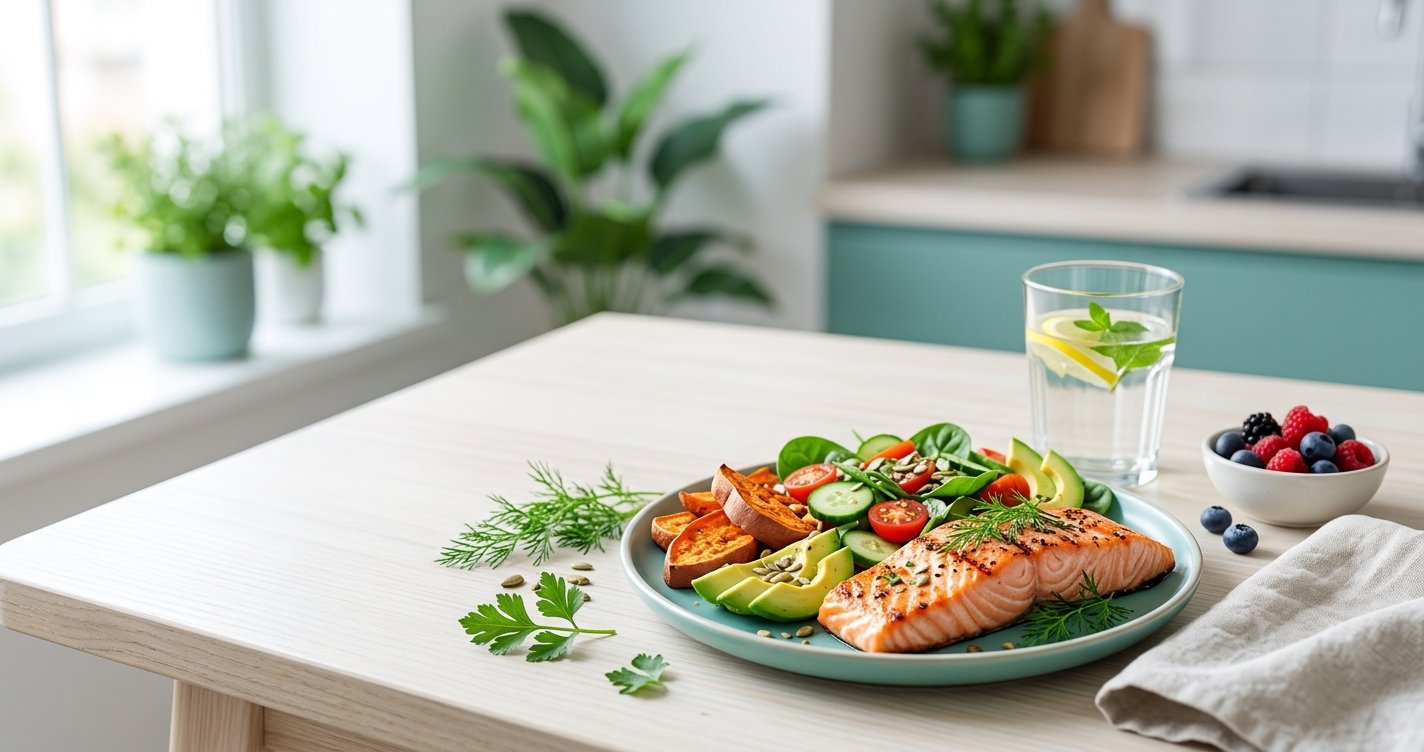
Tired of restrictive diets that promise quick fixes only to leave you feeling defeated and heavier than before? You're not alone! In a world obsessed with rapid results, it's easy to get caught in a cycle of yo-yo dieting. But what if there was a better way? A path to fat loss that doesn't just work in the short term, but empowers you with habits that last a lifetime?
This comprehensive guide is all about embracing sustainable nutrition strategies for genuine, long-term fat loss. We'll ditch the fads and focus on evidence-based approaches that are friendly, effective, and truly empowering. Get ready to transform your relationship with food and unlock the lasting results you deserve! this excellent wellness product
1. The Foundation: Understanding the Calorie Deficit
Let's start with the absolute bedrock of fat loss: the calorie deficit. Simply put, to lose fat, you must consume fewer calories than your body burns. Think of your body as a car and calories as fuel. If you put in less fuel than you use, the car will eventually run out – or in our case, your body will tap into its stored energy (fat) to make up the difference.
How to Achieve a Healthy Deficit:
- Estimate Your Maintenance Calories: This is the number of calories your body needs to maintain its current weight. Online calculators can give you a good starting point, but remember they are estimates.
- Create a Moderate Deficit: For sustainable fat loss, aim for a deficit of 300-500 calories per day. This typically results in a healthy and manageable fat loss of 0.5-1 pound per week. A larger deficit might lead to faster initial weight loss, but it's often harder to sustain, can lead to muscle loss, and may negatively impact your energy levels and metabolism.
- Track for Awareness, Not Obsession: Briefly tracking your food intake for a few days can be incredibly insightful, helping you understand where your calories are coming from. You don't need to track forever, but it's a powerful learning tool.
Remember, this isn't about starvation; it's about smart adjustments to your intake so your body can efficiently use its fat stores.
2. Macronutrients: Your Building Blocks for Success
While total calories are king for fat loss, the composition of those calories – your macronutrients (protein, carbohydrates, and fats) – plays a crucial role in how you feel, how much muscle you retain, and how satisfied you are.
Protein: Your Satiety & Muscle Ally
- Why it's Key: Protein is the most satiating macronutrient, meaning it keeps you feeling fuller for longer. It's also vital for preserving muscle mass during a calorie deficit, which is crucial because muscle burns more calories at rest than fat.
- Sources: Lean meats (chicken, turkey, beef), fish, eggs, dairy (Greek yogurt, cottage cheese), legumes, tofu, tempeh, protein powder.
- Target: Aim for 0.7-1 gram of protein per pound of body weight (or target body weight) per day, spread throughout your meals.
Carbohydrates: Fuel for Your Body & Brain
- Why it's Key: Carbs are your body's primary energy source. Opting for complex, high-fiber carbohydrates provides sustained energy, helps with satiety, and supports gut health.
- Sources: Whole grains (oats, brown rice, quinoa, whole-wheat bread), fruits, vegetables, sweet potatoes, beans.
- Focus: Prioritize whole, unprocessed carbs and be mindful of portion sizes, especially with refined carbs which offer less nutritional value.
Fats: Essential for Health & Hormones
- Why it's Key: Dietary fats are crucial for hormone production, nutrient absorption, and brain health. They also contribute to satiety. However, fats are calorie-dense, so portion control is important.
- Sources: Avocados, nuts, seeds, olive oil, fatty fish (salmon, mackerel).
- Balance: Include healthy fats in moderation. Avoid trans fats entirely.
3. Beyond the Numbers: The Power of Food Quality
While calories and macros matter, the quality of your food choices is paramount for sustainable fat loss and overall health. Not all calories are created equal!
- Prioritize Whole, Unprocessed Foods: Base your diet around vegetables, fruits, lean proteins, and whole grains. These foods are packed with vitamins, minerals, fiber, and water, which fill you up and nourish your body without excess calories.
- Minimize Ultra-Processed Foods: Foods high in added sugars, unhealthy fats, and artificial ingredients often lack nutrients, are hyper-palatable (making them easy to overeat), and can disrupt hunger signals.
- Hydration is Key: Often overlooked, drinking enough water is vital. It can help you feel fuller, aids in metabolism, and is essential for all bodily functions. Sometimes, thirst is mistaken for hunger!
- Fiber: Your Secret Weapon: Found in plant foods, fiber adds bulk to your meals, slows digestion, and helps regulate blood sugar, all contributing to increased satiety and better fat loss results.
4. Mindful Eating: A Game-Changer for Sustainable Fat Loss
Sustainable fat loss isn't just about what you eat, but also how you eat. Mindful eating is a powerful practice that can transform your relationship with food, helping you tune into your body's natural hunger and fullness cues.
How to Practice Mindful Eating:
- Eat Slowly: Put down your fork between bites. It takes about 20 minutes for your stomach to signal to your brain that it's full.
- Pay Attention to Your Food: Notice the colors, textures, aromas, and flavors. Enjoy the experience!
- Listen to Your Body: Eat when you're truly hungry, not just out of boredom, stress, or habit. Stop when you're comfortably satisfied, not stuffed.
- Minimize Distractions: Turn off the TV, put away your phone, and focus solely on your meal.
- Identify Emotional Triggers: Are you eating when stressed, sad, or bored? Recognizing these patterns is the first step to finding healthier coping mechanisms.
Mindful eating helps you appreciate your food more and naturally reduces overeating, making your calorie deficit feel effortless.
5. Practical Strategies for Everyday Success
Knowledge is power, but application is what brings results! Here are actionable tips to integrate these principles into your daily life.
- Meal Planning & Prep: Dedicate some time each week to plan your meals and snacks. This reduces decision fatigue and ensures you have healthy options readily available when hunger strikes. Cook in batches!
- Smart Snacking: If you need snacks, choose nutrient-dense options like a piece of fruit with a handful of nuts, Greek yogurt, or vegetable sticks with hummus. Avoid highly processed snack foods.
- Portion Control: Learn to recognize appropriate portion sizes. Using smaller plates can be a simple visual trick to help with this.
- Cook at Home More Often: When you prepare your own food, you have full control over ingredients and portion sizes, making it easier to manage your calorie and macronutrient intake.
- Navigate Eating Out: Look up menus online beforehand. Choose grilled or baked options over fried. Ask for sauces on the side. Don't be afraid to take half your meal home.
- Consistency, Not Perfection: You're human. There will be days when you veer off track. Don't let one 'off' meal or day derail your entire journey. Get right back on track with your next meal. Consistency over time is what truly matters.
6. Dispelling Myths and Staying Motivated
The journey to sustainable fat loss isn't a straight line, and it's essential to arm yourself with the right mindset and realistic expectations.
- Myth: Quick Fixes Work. Reality: Rapid weight loss often means losing muscle and water, not just fat. Sustainable fat loss is a marathon, not a sprint. Embrace the process.
- Myth: You Have to Be Perfect. Reality: Aim for progress, not perfection. A balanced approach that allows for occasional treats in moderation is far more sustainable than strict deprivation, which often leads to binges.
- The Scale Isn't the Only Measure: Your weight can fluctuate daily due to water retention, hormones, and food intake. Look beyond the scale: how do your clothes fit? Do you have more energy? Are you stronger? These are all signs of progress.
- Prioritize Sleep and Stress Management: Poor sleep can disrupt hormones that regulate hunger (ghrelin) and satiety (leptin), making fat loss harder. Chronic stress can also lead to increased cortisol, which can promote fat storage, particularly around the midsection. Make time for adequate sleep and stress-reducing activities.
- Find Your 'Why': Connect with your deeper motivation. Is it to play with your kids without getting tired? To improve your health markers? To feel confident in your own skin? Tapping into your 'why' will fuel your journey during challenging times.
Embrace the Journey to a Healthier You!
Sustainable fat loss isn't about deprivation; it's about empowerment. It's about making informed choices, nurturing your body with quality food, and listening to its signals. By focusing on a moderate calorie deficit, prioritizing protein, choosing whole foods, and practicing mindful eating, you're not just losing fat – you're building a healthier, happier relationship with food and yourself.
Start small, be consistent, and celebrate every step of your progress. Your body will thank you, and those lasting results will be your ultimate reward!