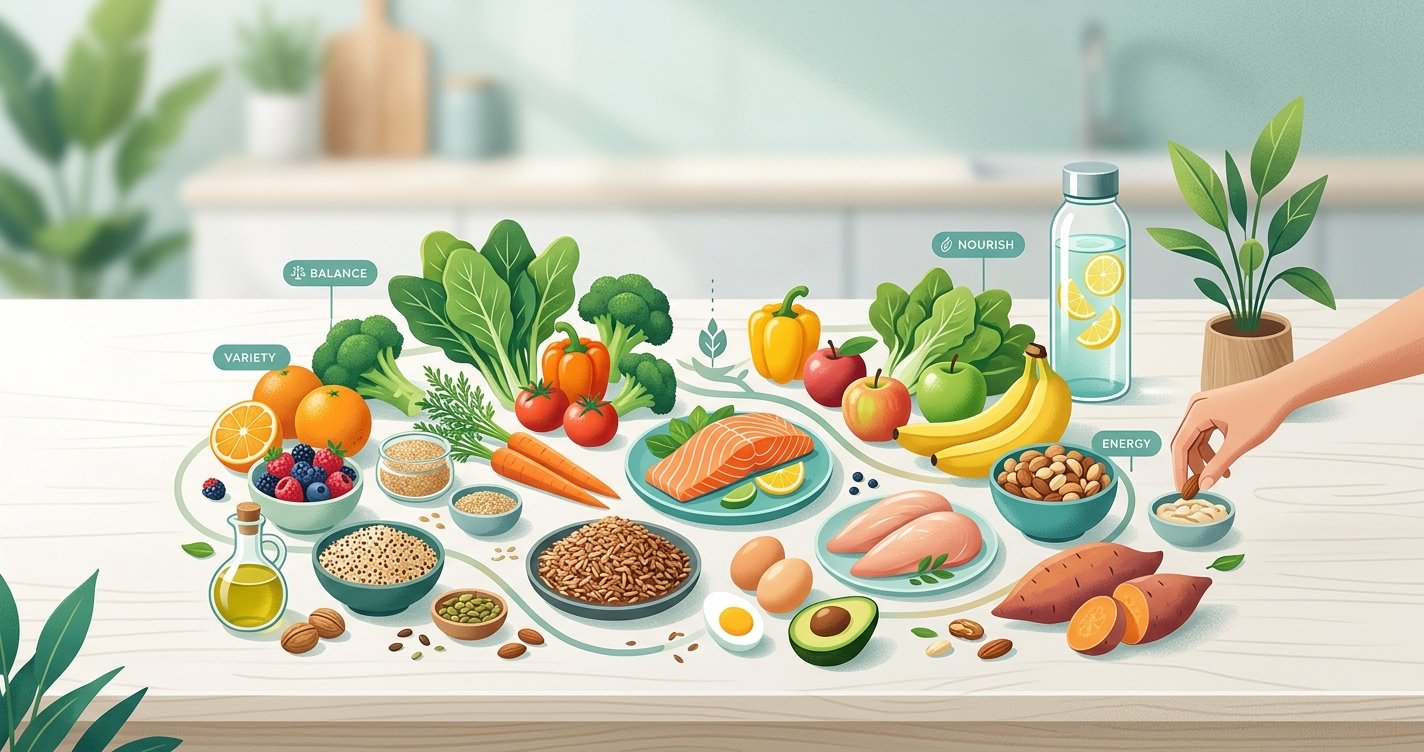
Beyond Crash Diets: Your Ultimate Nutrition Guide for Sustainable Fat Loss
Are you tired of the endless cycle of crash diets, quick fixes, and the frustration of seeing the scale yo-yo? You're not alone. Many people embark on a fat loss journey with the best intentions, only to find themselves burnt out, hungry, and right back where they started. The truth is, sustainable fat loss isn't about deprivation; it's about smart, evidence-based nutrition strategies that nourish your body, fuel your energy, and make healthy eating an enjoyable part of your lifestyle.
This guide isn't about rigid rules or impossible restrictions. Instead, we'll explore practical, friendly, and scientifically backed nutrition principles that will empower you to achieve lasting results without sacrificing your favorite foods or your sanity. Let's ditch the fads and embrace a path to a healthier, happier you. this excellent wellness product
Why Most Diets Fail (And What to Do Instead)
The allure of rapid weight loss can be strong, but most extreme diets share a common flaw: they're unsustainable. Severely restricting calories or eliminating entire food groups often leads to nutrient deficiencies, metabolic slowdown, intense cravings, and ultimately, a rebound effect. Your body is smart; it's designed to survive, and drastic cuts signal a 'famine,' causing it to hold onto energy stores.
The secret to sustainable fat loss lies in creating a modest, consistent caloric deficit – meaning you consume slightly fewer calories than your body burns – while prioritizing nutrient-dense foods. This approach allows your body to tap into its fat reserves for energy without triggering survival mode. It’s a marathon, not a sprint, and your body will thank you for the steady, nourishing approach.
The Power of Protein: Your Fat Loss Ally
If there's one macronutrient to prioritize for fat loss, it's protein. Protein is an absolute powerhouse, and here's why:
- Satiety: Protein is incredibly filling. Including enough protein in your meals helps you feel fuller for longer, reducing overall calorie intake and curbing those pesky cravings.
- Muscle Preservation: When you're in a caloric deficit, your body can sometimes break down muscle tissue for energy. Adequate protein intake helps protect your hard-earned muscle, which is crucial because muscle burns more calories at rest than fat does.
- Thermic Effect of Food (TEF): Protein has a higher TEF than carbs or fats, meaning your body expends more energy (calories) just to digest and metabolize it.
How to boost your protein: Aim for a lean protein source at every meal. Think chicken breast, turkey, lean beef, fish, eggs, Greek yogurt, cottage cheese, lentils, beans, tofu, or a quality protein supplement.
Carbohydrates: Friend or Foe? Choosing the Right Ones
Carbohydrates have gotten a bad rap in the fat loss world, but they are far from the enemy. They are your body's primary source of energy, especially important for fueling workouts and brain function. The key is choosing the *right* carbohydrates.
- Embrace Complex Carbs: Focus on whole, unprocessed carbohydrates rich in fiber. These include whole grains (oats, brown rice, quinoa, whole-wheat bread), fruits, and a wide variety of vegetables.
- The Fiber Advantage: Fiber is a non-digestible carbohydrate that adds bulk to your meals, promoting satiety and aiding digestion. It also helps regulate blood sugar levels, preventing energy crashes that can lead to overeating.
- Limit Refined Carbs: Sugary drinks, white bread, pastries, and highly processed snacks offer little nutritional value, spike blood sugar, and contribute to fat storage. Enjoy these in moderation, if at all.
Don't fear carbs; learn to love the ones that love your body back!
Fats: Essential for Health, Crucial for Satiety (in Moderation!)
Just like carbohydrates, fats are often misunderstood. While they are calorie-dense, healthy fats are absolutely essential for hormone production, nutrient absorption, brain health, and yes, even satiety. Completely cutting out fats can be detrimental to your overall health and make your fat loss journey harder.
Focus on healthy fat sources:
- Monounsaturated Fats: Avocados, olive oil, nuts (almonds, cashews, pecans).
- Polyunsaturated Fats: Walnuts, flaxseeds, chia seeds, fatty fish (salmon, mackerel, sardines) rich in Omega-3s.
The caveat? Even healthy fats are high in calories. A small serving goes a long way. Use them to enhance flavor and satiety, not as a primary calorie source for every meal.
Hydration: The Unsung Hero of Fat Loss
Water might seem simple, but its role in your fat loss journey is profound. Staying well-hydrated is critical for numerous bodily functions, including metabolism. Sometimes, your body can even confuse thirst with hunger, leading you to reach for snacks when all you really need is a glass of water.
Tips for optimal hydration:
- Carry a reusable water bottle and sip throughout the day.
- Start your day with a large glass of water.
- Drink water before meals to aid satiety.
- Infuse water with fruits like lemon, cucumber, or berries for added flavor.
Aim for at least 8 glasses (around 2 liters) of water daily, and even more if you're active or in a hot climate.
Mindful Eating and Portion Control: The Practical Application
Knowing *what* to eat is only half the battle; *how* you eat is equally important. Mindful eating is about paying attention to your body's hunger and fullness cues, savoring your food, and understanding the emotional aspects of eating.
- Slow Down: It takes about 20 minutes for your stomach to signal to your brain that it's full. Eating slowly allows this signal to register, preventing overeating.
- Listen to Your Body: Eat when you're truly hungry, not just bored, stressed, or emotional. Stop when you're comfortably full, not stuffed.
- Minimize Distractions: Turn off the TV, put away your phone, and focus on your meal. Pay attention to the flavors, textures, and aromas.
- Practical Portioning: Use smaller plates, measure out high-calorie items like nuts or oils, and familiarize yourself with what a healthy portion looks like (e.g., a deck of cards for protein, a cupped hand for carbs).
Mindful eating transforms eating from an unconscious habit into an intentional, nourishing act.
Meal Planning and Preparation: Your Secret Weapon for Consistency
Consistency is key for sustainable fat loss, and meal planning is your most powerful tool for achieving it. When you plan your meals, you reduce the chances of impulsive, unhealthy choices, save time during busy weekdays, and ensure you have nutrient-dense options readily available.
How to get started:
- Set Aside Time: Dedicate an hour or two each week to plan your meals and snacks.
- Create a Grocery List: Stick to your list to avoid unnecessary purchases.
- Batch Cook: Prepare large quantities of staples like grilled chicken, roasted vegetables, or quinoa that can be mixed and matched throughout the week.
- Prep Healthy Snacks: Portion out nuts, chop veggies, or prepare hard-boiled eggs for easy grab-and-go options.
A little preparation goes a long way in keeping you on track and making healthy eating effortless.
Embrace the Journey: Patience, Consistency, and Self-Compassion
Sustainable fat loss isn't about perfection; it's about progress. There will be days when you make less-than-ideal choices, and that's perfectly okay. What matters most is consistency over time and a willingness to get back on track. Be patient with yourself, celebrate small victories, and remember that this is a journey towards a healthier, more vibrant you – not just a number on the scale.
By embracing these evidence-based nutrition strategies – prioritizing protein and fiber, choosing healthy fats and complex carbs, staying hydrated, practicing mindful eating, and planning your meals – you're building a foundation for lasting fat loss and overall well-being. You have the power to transform your relationship with food and achieve the sustainable results you deserve. You've got this!