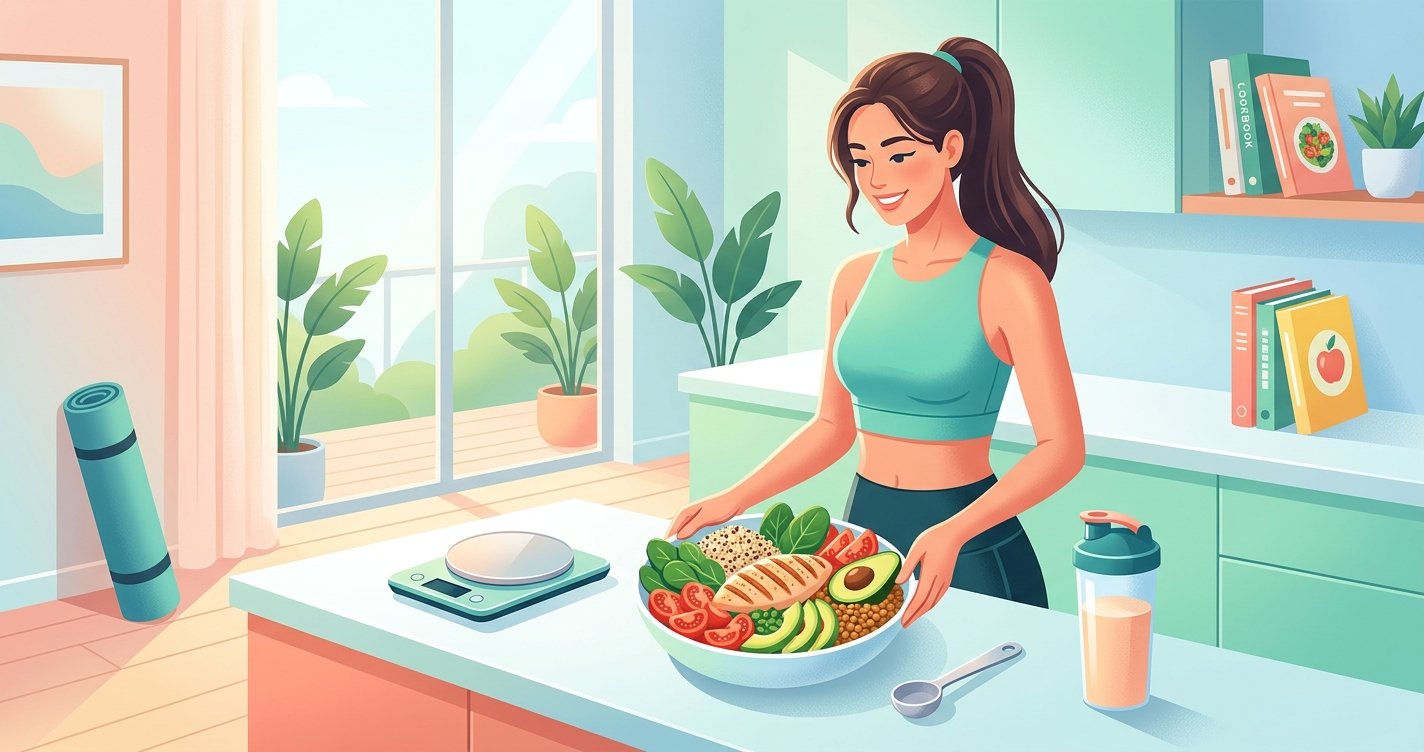
Feeling overwhelmed by the sheer volume of fat loss advice out there? From restrictive diets to confusing supplements, it's easy to get lost in the noise. But what if we told you that the most effective, sustainable path to fat loss isn't a secret, but rather rooted in simple, evidence-based principles? It's true! In this guide, we're going to cut through the fads and focus on two foundational pillars that are absolutely crucial for successful, lasting fat loss: understanding your calorie deficit and harnessing the power of protein. Get ready to transform your approach with knowledge that truly works!
The Core Principle: Understanding the Calorie Deficit
At its heart, fat loss boils down to one undeniable scientific truth: you must consume fewer calories than your body expends. This is known as creating a calorie deficit. Think of your body like a car. If you put less fuel in than you burn driving, the fuel tank eventually empties. Similarly, if you provide your body with less energy (calories) than it needs to perform all its daily functions (from breathing and thinking to exercising), it will start to tap into its stored energy reserves – primarily body fat – to make up the difference. this excellent wellness product
Ignoring this fundamental principle is like trying to defy gravity; it simply won't work in the long run. Many popular diets might seem to work by cutting out entire food groups, but their success is almost always due to the *unintended* effect of creating a calorie deficit. For example, cutting out carbs often means cutting out calorie-dense processed foods, leading to an overall reduction in calorie intake.
How to Calculate Your Calorie Needs for Fat Loss
So, how do you figure out your magic number? It starts with estimating your Total Daily Energy Expenditure (TDEE) – the total number of calories your body burns in a day. This includes your Basal Metabolic Rate (BMR, the calories burned at rest), plus calories burned through digestion (Thermic Effect of Food), and physical activity. Online TDEE calculators are a great starting point, but remember they provide an estimate.
- Step 1: Estimate your TDEE. Use an online calculator (e.g., Mifflin-St Jeor equation) that considers your age, sex, weight, height, and activity level.
- Step 2: Create a sustainable deficit. For most people, a deficit of 300-500 calories per day is effective and sustainable. This typically leads to a healthy fat loss rate of 0.5 to 1 pound per week. A larger deficit might lead to faster initial weight loss, but it's often harder to sustain, can lead to muscle loss, and may negatively impact energy levels and hormones.
- Step 3: Track and adjust. For a few days, meticulously track your food intake and monitor your weight. If you're not losing weight after a couple of weeks, slightly reduce your calories. If you're losing too quickly or feeling overly fatigued, slightly increase them. Consistency is key!
Remember, the goal isn't starvation; it's smart, strategic eating to encourage your body to use its fat stores for energy.
The Protein Powerhouse: Why Protein is Your Best Friend for Fat Loss
While a calorie deficit is the engine of fat loss, protein is the fuel that keeps that engine running smoothly and efficiently. Often overlooked, adequate protein intake is a game-changer for anyone serious about shedding body fat while preserving precious muscle mass. Here’s why protein deserves a starring role in your fat loss journey:
1. Satiety: Keep Hunger at Bay
Protein is incredibly satiating, meaning it helps you feel fuller for longer compared to carbohydrates or fats. Research consistently shows that high-protein meals reduce appetite and subsequent calorie intake. This is invaluable when you're in a calorie deficit, as it helps combat cravings and prevents overeating.
2. Muscle Preservation: Don't Lose What You've Built
When you're in a calorie deficit, your body can sometimes break down muscle tissue for energy, especially if protein intake is low. This is counterproductive! Muscle is metabolically active, meaning it burns more calories at rest than fat does. Consuming enough protein, especially when combined with strength training, helps signal to your body to preserve muscle while primarily burning fat. This is crucial for maintaining a healthy metabolism and a toned physique.
3. Thermic Effect of Food (TEF): Burn More Calories Digesting
Protein has the highest Thermic Effect of Food (TEF) among the macronutrients. This means your body expends more energy (calories) to digest, absorb, and metabolize protein than it does for carbs or fats. While the difference isn't massive, every little bit helps when you're aiming for a deficit!
4. Repair and Recovery: Fueling Your Workouts
If you're incorporating exercise (which you absolutely should be for optimal fat loss and overall health!), protein is essential for repairing and rebuilding muscle tissue after workouts. This not only supports muscle growth but also aids in recovery, allowing you to train consistently and effectively.
How Much Protein Do You Need?
For fat loss, a common recommendation is to aim for 1.6 to 2.2 grams of protein per kilogram of body weight (or 0.7 to 1 gram per pound of body weight). Distribute your protein intake throughout the day across your meals and snacks to maximize its benefits. Excellent sources include lean meats, poultry, fish, eggs, dairy products (Greek yogurt, cottage cheese), legumes, and protein supplements (like whey or plant-based protein powders).
Beyond Calories & Protein: The Role of Other Macronutrients
While calories and protein form the bedrock of your fat loss strategy, carbohydrates and fats also play vital roles in your health, energy levels, and overall well-being. It's not about eliminating them, but rather choosing wisely.
Carbohydrates: Not the Enemy!
Carbohydrates have often been unfairly demonized in the fat loss world. In reality, they are your body's preferred energy source, fueling everything from your brain function to your workouts. The key is choosing the *right* carbs.
- Focus on Complex Carbohydrates: Think whole grains (oats, brown rice, quinoa), fruits, and vegetables. These are rich in fiber, which aids digestion, promotes satiety, and helps regulate blood sugar levels.
- Timing Can Matter: While not strictly necessary for fat loss, consuming some carbohydrates around your workouts can help fuel performance and replenish glycogen stores, especially if you're engaging in intense exercise.
Avoid excessive intake of refined carbohydrates like white bread, sugary drinks, and pastries, as these offer little nutritional value and can lead to energy crashes and increased cravings.
Healthy Fats: Essential for Health and Satiety
Fats are crucial for hormone production, nutrient absorption (especially fat-soluble vitamins like A, D, E, K), and overall cellular health. They also contribute to satiety, helping you feel satisfied after meals.
- Choose Healthy Sources: Incorporate sources of unsaturated fats like avocados, nuts, seeds, olive oil, and fatty fish (salmon, mackerel).
- Mind Your Portions: While healthy, fats are calorie-dense (9 calories per gram compared to 4 for protein and carbs). Even good fats can quickly push you out of a calorie deficit if consumed in large quantities. Moderation is key.
Practical Strategies for Implementing Your Fat Loss Nutrition Plan
Knowing the science is one thing; putting it into practice is another. Here are some actionable strategies to help you successfully implement your calorie-controlled, protein-rich eating plan:
- Meal Planning & Prep: Spend some time each week planning your meals and snacks. Prepare ingredients or entire meals in advance. This reduces decision fatigue and the likelihood of reaching for less healthy options when hunger strikes.
- Track Your Intake (Initially): For at least a few days, use a food tracking app to get an accurate understanding of your calorie and macronutrient intake. You might be surprised by how quickly calories add up! This isn't about obsessive tracking forever, but about building awareness and learning portion sizes.
- Prioritize Whole, Unprocessed Foods: Base your diet around lean proteins, plenty of vegetables, fruits, and whole grains. These foods are generally more nutrient-dense and filling than highly processed options, making it easier to stay within your calorie goals.
- Stay Hydrated: Water is crucial for countless bodily functions and can also help with satiety. Sometimes, thirst is mistaken for hunger. Aim for at least 8 glasses of water a day.
- Mindful Eating: Pay attention to your hunger and fullness cues. Eat slowly, savor your food, and avoid distractions like screens. This can help you recognize when you're truly satisfied and prevent overeating.
- Consistency Over Perfection: You don't need to be perfect every single day. One less-than-ideal meal or snack won't derail your progress. Focus on consistency over weeks and months, and learn to get back on track quickly after a slip-up.
Addressing Common Fat Loss Hurdles
The journey isn't always linear, and you're bound to encounter challenges. Here’s how to navigate some common hurdles:
Plateaus: When Progress Stalls
It's normal for fat loss to slow down or even stop after a period of progress. Your body adapts! When you lose weight, your TDEE generally decreases because you have less body mass to move around. When you hit a plateau:
- Re-evaluate your calories: Your calorie needs have likely changed. Recalculate your TDEE and adjust your deficit accordingly.
- Increase activity: Add more steps, intensity to your workouts, or try a new form of exercise.
- Focus on non-scale victories: Are your clothes fitting better? Do you have more energy? These are important signs of progress beyond the number on the scale.
Social Eating and Special Occasions
Don't let social events derail your progress. Plan ahead:
- Eat strategically beforehand: Have a protein-rich snack before going out to avoid arriving ravenous.
- Make smart choices: Opt for leaner protein options, load up on vegetables, and be mindful of high-calorie sauces, drinks, and desserts.
- Enjoy in moderation: It's okay to indulge a little, but practice portion control and get back on track with your next meal.
Emotional Eating
Food can be a comfort, but using it to cope with emotions can hinder fat loss. Identify your triggers and develop alternative coping mechanisms:
- Stress relief: Exercise, meditation, deep breathing, spending time in nature.
- Boredom: Find a hobby, call a friend, read a book.
- Sadness: Journal, talk to a loved one, listen to music.
Remember, true hunger is physical; emotional hunger often comes on suddenly and targets specific comfort foods.
Your Sustainable Path to Fat Loss Starts Now!
You now have the fundamental knowledge to truly transform your body and health. By prioritizing a consistent calorie deficit and ensuring adequate protein intake, you're building a foundation for sustainable, effective fat loss that goes far beyond quick fixes and fad diets. This isn't just about losing weight; it's about understanding your body, fueling it wisely, and building habits that will serve you for life.
Embrace the journey with patience, consistency, and a positive mindset. Celebrate your small victories, learn from your challenges, and remember that every healthy choice moves you closer to your goals. You have the power to create lasting change – let's get started!