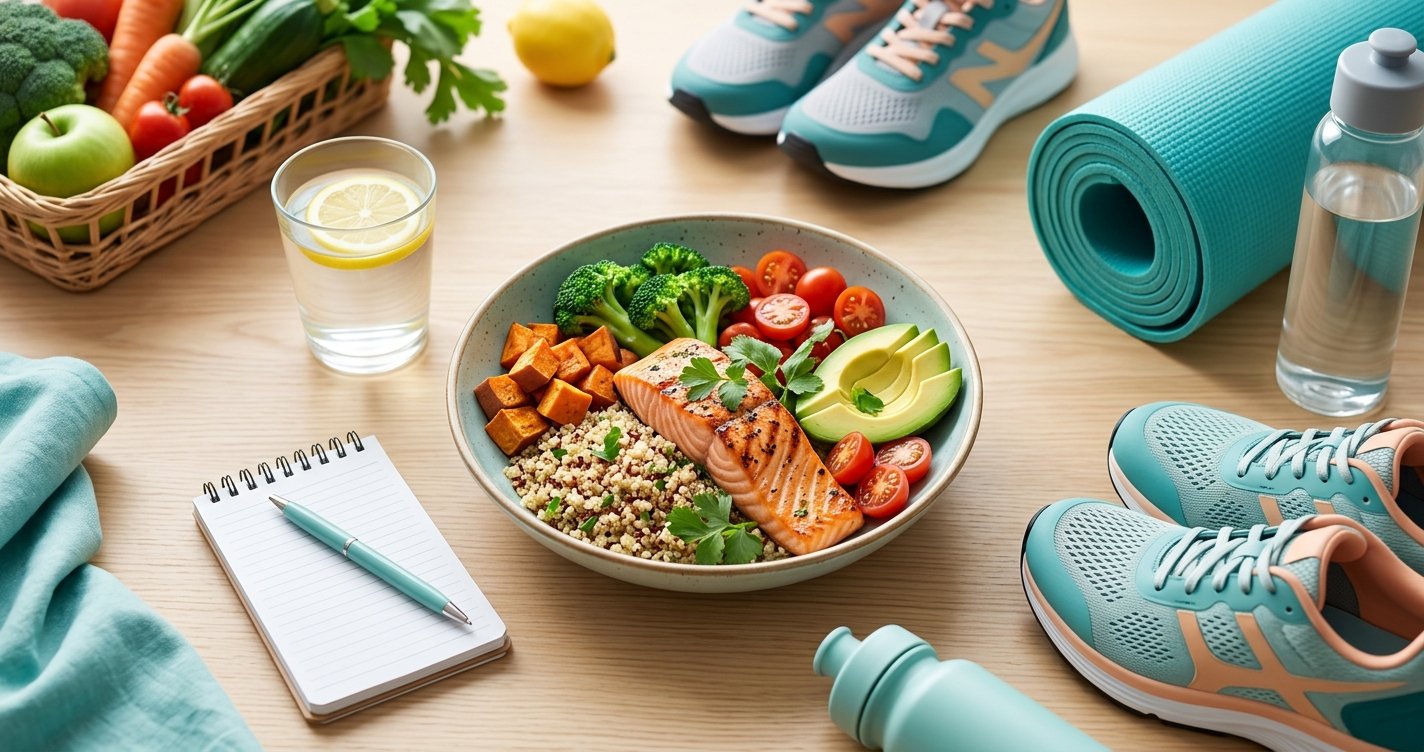
Beyond Quick Fixes: The Path to Sustainable Fat Loss
Have you ever felt caught in the frustrating cycle of quick-fix diets? You cut out entire food groups, see some initial weight loss, only to regain it (and sometimes more!) once the restrictive diet becomes unbearable. It’s a common story, and it's exhausting. But what if there was a better way? A path to not just losing fat, but keeping it off, feeling energetic, and truly nourishing your body? This isn't about deprivation; it's about smart, evidence-based strategies that fit into your real life.
Welcome to the world of sustainable fat loss – a journey focused on building healthy habits that last a lifetime, rather than chasing temporary results. We'll explore how balanced nutrition, strategic movement, and crucial lifestyle factors like sleep and stress management come together to create a powerful, sustainable approach to achieving your body composition goals. Let's leave the yo-yo dieting behind and embrace a healthier, happier you! this excellent wellness product
Understanding the Core: The Calorie Deficit, Demystified
At its most fundamental level, fat loss boils down to one non-negotiable principle: a calorie deficit. Simply put, you need to consistently consume fewer calories than your body burns over time. Your body then taps into its stored fat reserves for energy, leading to fat loss.
What is a Calorie and How Many Do You Need?
- Calories are Units of Energy: Everything you eat and drink contains calories, which fuel your body's functions.
- Total Daily Energy Expenditure (TDEE): This is the total number of calories your body burns in a day, including your Basal Metabolic Rate (BMR – calories burned at rest), calories burned through digestion, and calories burned through physical activity.
- Creating the Deficit: To lose fat, you need to eat below your TDEE. A common recommendation is a deficit of 300-500 calories per day, which typically leads to a healthy and sustainable fat loss of 1-2 pounds per week.
It's important to approach this deficit smartly. Starving yourself is counterproductive, leading to muscle loss, nutrient deficiencies, and metabolic slowdown. The goal is a moderate, consistent deficit achieved through smart food choices and increased activity, not extreme restriction.
Nutrition for Fat Loss: Fueling Your Body Smartly
Once you understand the calorie deficit, the next step is optimizing your food choices. This isn't about 'good' vs. 'bad' foods, but rather making nutrient-dense choices that support satiety, energy, and muscle preservation.
Protein Power: Your Satiety & Muscle Ally
Protein is your best friend when it comes to fat loss. It's incredibly satiating, meaning it keeps you feeling full for longer, reducing cravings and overeating. Furthermore, protein is crucial for preserving lean muscle mass during a calorie deficit, which is vital for maintaining a healthy metabolism. Aim for 0.7-1 gram of protein per pound of body weight daily.
- Excellent Sources: Lean meats (chicken, turkey, beef), fish, eggs, Greek yogurt, cottage cheese, legumes, tofu, protein powder.
Carbs: Friend or Foe? The Truth About Energy
Carbohydrates have unfairly gained a bad reputation in some diet circles, but they are your body's primary energy source. The key is choosing the right kinds of carbs.
- Complex Carbs (Friend!): Found in whole grains, fruits, and vegetables, these are rich in fiber, which aids digestion, promotes satiety, and provides sustained energy.
- Simple Carbs (Moderation is Key): Sugary drinks, candies, and highly processed snacks offer quick energy but often lead to crashes and increased hunger. Enjoy these sparingly.
Healthy Fats: Don't Fear Them!
Fats are essential for hormone production, nutrient absorption, and overall health. They also contribute to satiety, helping you feel satisfied after meals. The trick is choosing healthy, unsaturated fats in moderation.
- Beneficial Sources: Avocados, nuts, seeds, olive oil, fatty fish (salmon, mackerel).
Hydration: The Unsung Hero
Don't underestimate the power of water! Staying well-hydrated is crucial for metabolism, energy levels, and can even help manage hunger cues (sometimes thirst is mistaken for hunger). Aim for at least 8 glasses of water daily, more if you're active.
Movement Matters: Beyond the Treadmill
While nutrition creates the calorie deficit, exercise amplifies fat loss, builds strength, and improves overall health. It's not just about burning calories; it's about shaping your body and boosting your metabolism.
Strength Training: The Unsung Hero for Fat Loss
If you're only doing cardio, you're missing a huge piece of the fat loss puzzle. Building muscle through strength training is incredibly beneficial because muscle tissue is more metabolically active than fat tissue. This means the more muscle you have, the more calories your body burns at rest, even when you're just sitting on the couch!
- Benefits: Increased resting metabolism, improved body composition, enhanced strength and bone density.
- Recommendation: 2-4 full-body strength training sessions per week.
Cardio: Smart & Strategic
Cardiovascular exercise is excellent for heart health and burns calories, contributing to your deficit. You have options here:
- High-Intensity Interval Training (HIIT): Short bursts of intense exercise followed by brief recovery periods. Time-efficient and can boost metabolism post-workout.
- Low-Intensity Steady State (LISS): Activities like brisk walking, jogging, or cycling at a moderate pace for a longer duration. Great for active recovery and burning calories without excessive stress on the body.
NEAT (Non-Exercise Activity Thermogenesis): Everyday Movement Adds Up
Don't underestimate the power of simply moving more throughout your day. Taking the stairs, walking during phone calls, parking further away, or doing chores all contribute to your daily calorie burn. These small actions collectively make a big difference.
The Unseen Pillars: Sleep, Stress, and Mindset
You can eat perfectly and train hard, but if you neglect these crucial lifestyle factors, your fat loss efforts can be severely hampered. They play a profound role in your hormones and overall well-being.
Sleep: Your Secret Fat Loss Weapon
Lack of sleep throws your hunger hormones out of whack. When you're sleep-deprived:
- Ghrelin (the hunger hormone) increases: You feel hungrier.
- Leptin (the satiety hormone) decreases: You don't feel full, even after eating.
- Cortisol (the stress hormone) increases: This can lead to increased fat storage, especially around the belly.
Aim for 7-9 hours of quality sleep per night to support optimal hormone balance and recovery.
Stress Management: Taming the Cortisol Beast
Chronic stress elevates cortisol levels, which, as mentioned, can promote fat storage and increase cravings for high-calorie comfort foods. Finding healthy ways to manage stress is vital for sustainable fat loss.
- Strategies: Meditation, yoga, spending time in nature, deep breathing exercises, journaling, hobbies, social connection.
Mindset & Consistency: The Long Game
Fat loss is a journey, not a race. There will be plateaus, slip-ups, and moments of frustration. Cultivating a positive, patient mindset and focusing on consistency over perfection is key.
- Be Kind to Yourself: One 'bad' meal or missed workout doesn't derail your entire progress. Get back on track at the next opportunity.
- Celebrate Small Wins: Acknowledging progress, no matter how small, keeps you motivated.
- Focus on Health: Shift your focus from just a number on the scale to improving your energy, strength, and overall well-being.
Building Sustainable Habits: Making it Stick
Knowledge is power, but consistent action creates results. Here’s how to integrate these principles into your daily life for lasting success.
Meal Planning & Prep: Your Roadmap to Success
Failing to plan is planning to fail, especially with nutrition. Dedicate some time each week to:
- Plan Your Meals: Decide what you'll eat for breakfast, lunch, dinner, and snacks.
- Grocery Shop Smart: Buy ingredients that align with your plan.
- Batch Cook: Prepare larger quantities of healthy staples like grilled chicken, roasted vegetables, or whole grains to quickly assemble meals during the week.
Mindful Eating: Reconnecting with Your Body
Eating slowly, without distractions, and paying attention to your body's hunger and fullness cues can prevent overeating and improve digestion.
- Practice: Put down your fork between bites, savor the flavors, and stop when you're comfortably full, not stuffed.
Tracking (Optional but Helpful): Awareness is Key
For some, tracking calories and macronutrients for a period can provide invaluable insight into their eating habits and ensure they are hitting their calorie deficit target. It's a tool for awareness, not a life sentence.
Patience and Adaptability: Navigating the Journey
Your body is not a machine, and progress isn't always linear. You'll encounter plateaus, and that's normal. When this happens, assess your current habits, make small adjustments (e.g., slightly reduce calories, increase activity, improve sleep), and be patient. Consistency always wins in the long run.
Your Journey to a Healthier, Happier You
Sustainable fat loss isn't about rigid rules or extreme sacrifices; it's about empowering yourself with knowledge and building habits that support your health and well-being for the long haul. By focusing on a smart calorie deficit, nutrient-dense nutrition, strategic exercise, quality sleep, stress management, and a positive mindset, you're not just losing fat – you're building a stronger, healthier, and happier version of yourself.
Remember, every small, consistent step forward is progress. Be patient, be persistent, and most importantly, be kind to yourself throughout this incredible journey. You've got this!