Unlock Sustainable Fat Loss: The Ultimate Guide to Mastering Nutrition, Protein, and Calorie Deficit
Hey there, future you! Are you tired of the endless cycle of fad diets, quick fixes, and the frustration of losing weight only to gain it all back? You're not alone. The world of fat loss can feel overwhelming, filled with conflicting advice and unrealistic expectations. But what if we told you that achieving sustainable fat loss isn't about deprivation or extreme measures, but about understanding a few fundamental, evidence-based nutrition principles? It’s true!
This guide isn't about selling you a magic pill or a restrictive meal plan. Instead, we're going to dive deep into the two most powerful pillars of sustainable fat loss: creating a smart calorie deficit and harnessing the incredible power of protein. Get ready to transform your understanding of food and empower yourself with strategies that actually work – for good! this excellent wellness product
Understanding the Calorie Deficit: Your Foundation for Fat Loss
Let's start with the absolute golden rule of fat loss: you must consume fewer calories than your body burns. This is known as a calorie deficit, and it's non-negotiable for losing body fat. Think of your body as a car and calories as fuel. If you put in less fuel than the car needs to run, it starts to tap into its stored reserves – in our case, body fat.
But how do you create this deficit without feeling constantly hungry or deprived? The key is to find a deficit that's sustainable for you. A common recommendation is a deficit of 300-500 calories per day, which can lead to a healthy and realistic fat loss of 1-2 pounds per week. Drastic deficits are often counterproductive, leading to muscle loss, nutrient deficiencies, and rebound weight gain.
How to Estimate Your Calorie Needs (Simply):
- Total Daily Energy Expenditure (TDEE): This is the total number of calories your body burns in a day, including basal metabolic rate (BMR), activity, and digestion. Online calculators can give you a good estimate by inputting your age, gender, weight, height, and activity level.
- Subtract for a Deficit: Once you have your TDEE, subtract 300-500 calories to get your target daily intake for fat loss.
Remember, these are estimates. Listen to your body, track your progress, and adjust as needed. Consistency is far more important than perfection.
The Power of Protein: Your Fat Loss Ally
If the calorie deficit is the foundation, then protein is the structural steel of your fat loss journey. Protein is not just for bodybuilders; it's a vital macronutrient that plays several critical roles in helping you shed fat and keep it off.
Why Protein is a Fat Loss Superstar:
1. Satiety & Hunger Control: Protein is incredibly filling. Eating adequate protein helps you feel fuller for longer, reducing cravings and preventing overeating. Studies consistently show that higher protein diets lead to greater satiety compared to diets lower in protein.
2. Muscle Preservation: When you're in a calorie deficit, your body can sometimes break down muscle along with fat. Protein helps to preserve lean muscle mass, which is crucial because muscle is metabolically active – it burns more calories at rest than fat does. More muscle means a higher metabolism!
3. Thermic Effect of Food (TEF): Protein has a higher TEF than carbs or fats. This means your body expends more energy (calories) digesting and metabolizing protein. It's like a mini calorie burn just from eating!
How Much Protein Do You Need?
For fat loss, aiming for 0.7 to 1 gram of protein per pound of your target body weight (or lean body mass) is a good starting point. For example, if you weigh 150 pounds, aiming for 105-150 grams of protein per day can be highly beneficial. Spread your protein intake throughout the day across all your meals and snacks.
Smart Carb Choices and Healthy Fats: Balancing Your Plate
While protein takes center stage for fat loss, carbohydrates and fats are far from villains. They are essential for energy, hormone function, nutrient absorption, and overall health. The key is to make smart choices.
Carbohydrates: Fuel Your Body Wisely
- Opt for Complex Carbs: Whole grains (oats, quinoa, brown rice), fruits, and vegetables provide fiber, vitamins, and sustained energy. Fiber is fantastic for satiety and digestive health.
- Limit Refined Carbs: Sugary drinks, white bread, pastries, and highly processed snacks offer little nutritional value and can lead to energy crashes and increased cravings.
Healthy Fats: Don't Fear the Fat!
- Embrace Healthy Fats: Avocados, nuts, seeds, olive oil, and fatty fish (like salmon) are packed with essential fatty acids that support hormone production, nutrient absorption, and brain health.
- Mind Portions: While healthy, fats are calorie-dense. A little goes a long way, so be mindful of your serving sizes.
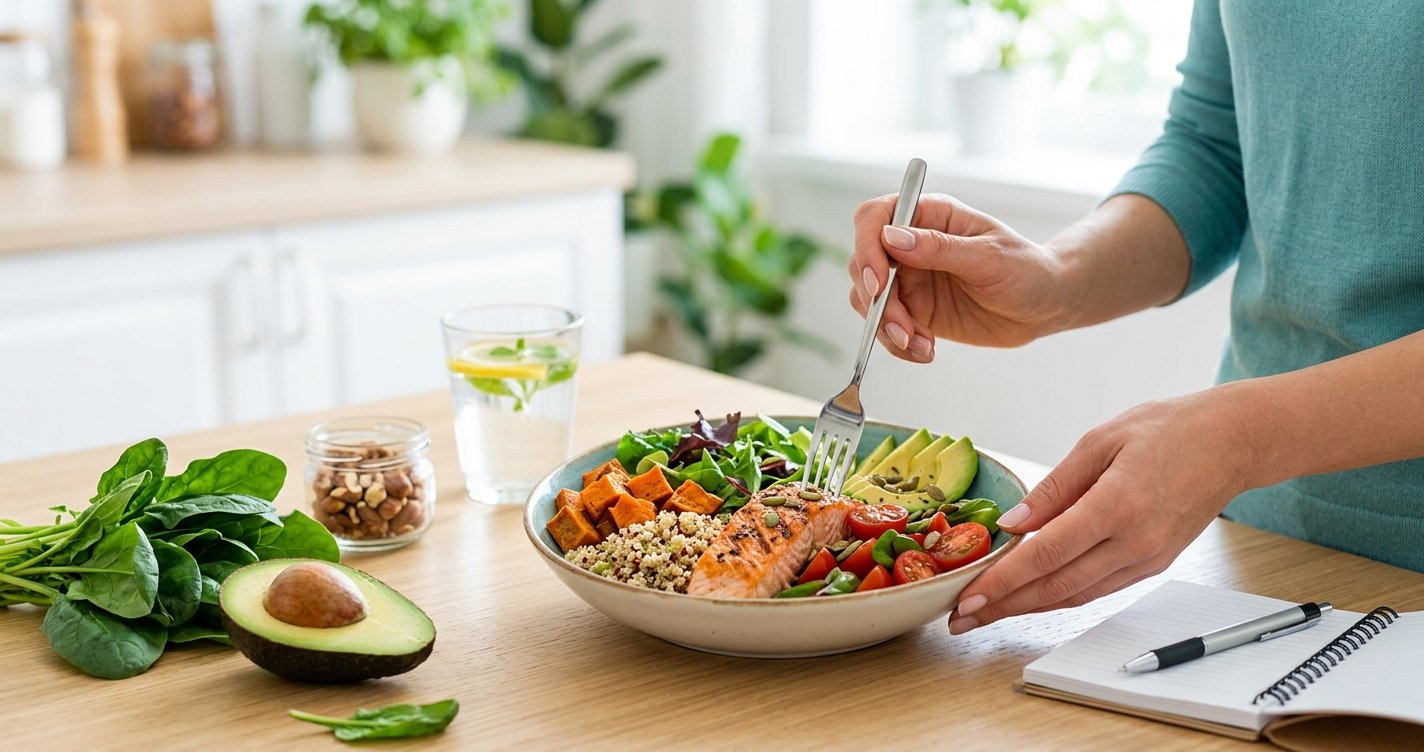
A balanced plate for fat loss often looks like this: a lean protein source, a generous serving of non-starchy vegetables, a moderate portion of complex carbohydrates, and a small serving of healthy fats.
Meal Planning & Preparation: Setting Yourself Up for Success
Knowledge is power, but execution is key! The best nutrition strategies won't work if you don't implement them consistently. This is where meal planning and preparation become your secret weapons for sustainable fat loss.
Tips for Effective Meal Prep:
- Plan Your Week: Dedicate some time each week (e.g., Sunday afternoon) to plan out your meals and snacks for the upcoming days. This helps you hit your protein and calorie targets.
- Batch Cook: Prepare larger quantities of staples like grilled chicken, roasted vegetables, quinoa, or hard-boiled eggs. These can be mixed and matched throughout the week.
- Portion Control: Pre-portioning your meals into containers can prevent overeating and make tracking calories easier.
- Healthy Snacks: Keep protein-rich snacks on hand like Greek yogurt, cottage cheese, nuts, or protein bars to combat hunger between meals.
Meal prep isn't about rigidity; it's about making healthy choices easier and more convenient, especially when life gets busy.
Beyond the Plate: Hydration and Mindful Eating
While food choices are paramount, two often-overlooked aspects can significantly impact your fat loss journey: hydration and mindful eating.
Hydration: Don't Forget to Drink Up!
Water plays a crucial role in almost every bodily function, including metabolism. Sometimes, thirst can be mistaken for hunger, leading to unnecessary snacking. Aim for at least 8 glasses of water a day, and even more if you're active. Keeping a water bottle handy is a simple yet effective strategy.
Mindful Eating: Connect with Your Body
Eating mindfully means paying attention to your body's hunger and fullness cues, savoring your food, and eating without distraction. This practice can help you:
- Recognize true hunger vs. emotional eating.
- Eat more slowly, giving your brain time to register fullness.
- Enjoy your meals more, leading to greater satisfaction.
Put away your phone, turn off the TV, and truly experience your food. It's a powerful tool for sustainable fat loss and a healthier relationship with food.
Navigating Plateaus and Staying Motivated
Let's be real: the fat loss journey isn't always linear. You'll have good days, challenging days, and sometimes, you might hit a plateau where progress seems to stall. This is normal and doesn't mean you're failing!
Strategies for Plateaus:
- Re-evaluate Calories: As you lose weight, your body burns fewer calories. You might need to slightly adjust your calorie deficit downward.
- Increase Activity: Add more steps to your day or intensify your workouts.
- Check Consistency: Are you truly sticking to your plan? Sometimes hidden calories from sauces, drinks, or extra bites can add up.
Staying Motivated:
- Focus on Non-Scale Victories: Celebrate increased energy, better sleep, clothes fitting differently, or improved strength.
- Find Your 'Why': Remind yourself of your core reasons for wanting to lose fat.
- Seek Support: Share your journey with a friend, family member, or a supportive community.
- Be Patient and Kind to Yourself: Sustainable fat loss is a marathon, not a sprint. There will be bumps, but consistency and self-compassion will get you there.
Your Sustainable Fat Loss Journey Starts Now!
You now have the essential tools and understanding to embark on a truly sustainable fat loss journey. Forget the restrictive diets and embrace a balanced approach centered around a smart calorie deficit and the incredible power of protein. Combine this with smart carb and fat choices, consistent meal preparation, mindful eating, and plenty of hydration, and you're not just losing fat – you're building a healthier, stronger, and more vibrant you.
Remember, this is about progress, not perfection. Be patient, be persistent, and celebrate every step forward. Your body will thank you for it, and you'll finally achieve the lasting results you deserve. Let's make sustainable fat loss your new reality!