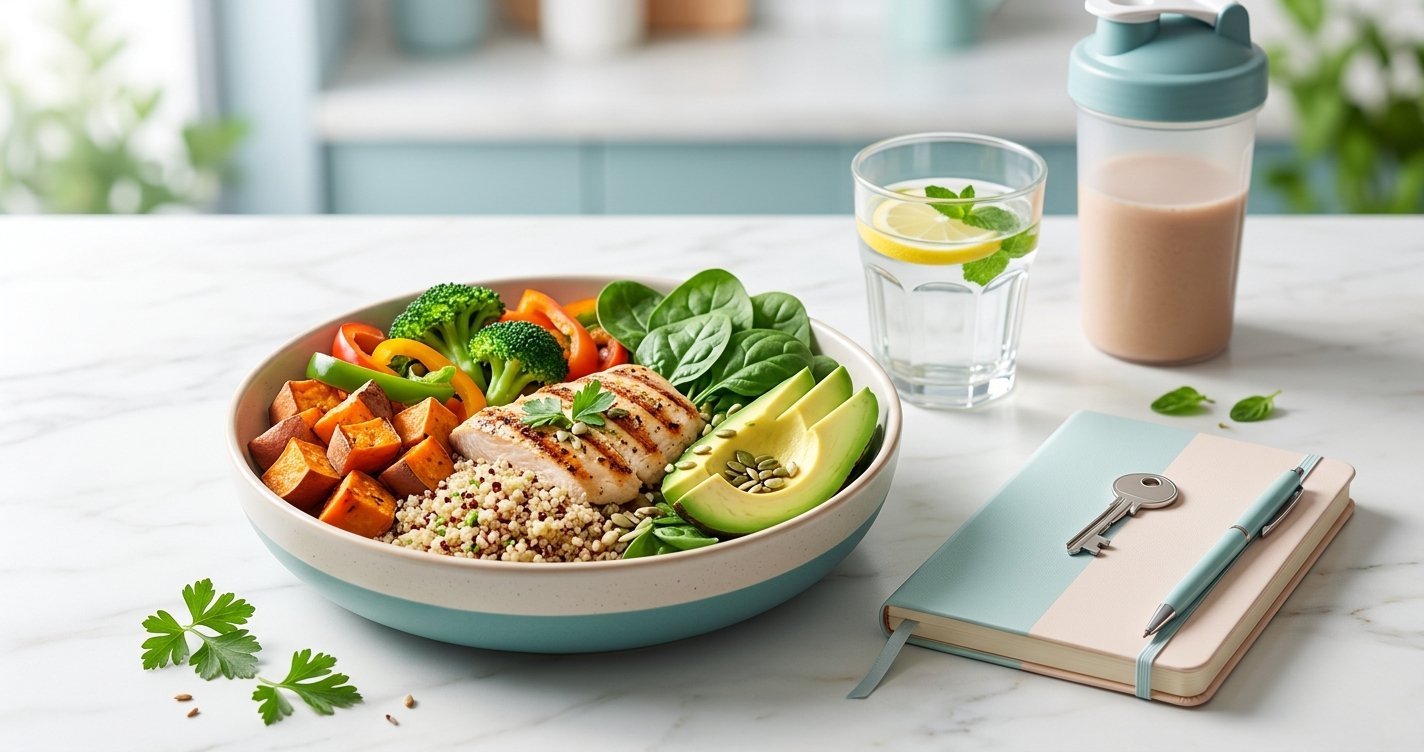
Are you tired of quick-fix diets that promise the world but deliver only frustration? Do you dream of achieving lasting fat loss without feeling deprived or constantly battling hunger? You’re in the right place! Sustainable fat loss isn't about extreme measures; it's about understanding your body, making smart nutritional choices, and building habits that last a lifetime. Today, we're diving deep into the powerful role of nutrition, focusing specifically on how protein and a smart approach to calorie deficits can be your greatest allies on this journey.
Forget the complicated rules and endless restrictions. We’ll explore the evidence-based strategies that empower you to take control, feel energized, and achieve your fat loss goals in a way that’s both effective and enjoyable. Let’s get started! this excellent wellness product
Beyond 'Eat Less, Move More': Understanding the Calorie Deficit
At its core, fat loss boils down to one fundamental principle: consuming fewer calories than your body burns. This state is known as a calorie deficit. While 'eat less, move more' is a simplified truth, understanding how to achieve this deficit smartly is key to making it sustainable and healthy.
What is a Calorie Deficit and Why Does It Matter?
Your body needs a certain amount of energy (calories) each day to perform all its functions, from breathing and thinking to exercising. This is your Total Daily Energy Expenditure (TDEE). When you consistently provide your body with fewer calories than your TDEE, your body taps into its stored energy reserves – primarily body fat – to make up the difference. This is how fat loss occurs.
However, an extreme calorie deficit can be counterproductive, leading to muscle loss, nutrient deficiencies, fatigue, and a plummeting metabolism. The goal is a moderate deficit (typically 300-500 calories below your TDEE) that encourages steady fat loss while preserving muscle and supporting overall health.
How to Estimate Your TDEE and Create a Smart Deficit:
Online calculators can give you a starting estimate for your TDEE based on your age, sex, weight, height, and activity level. From there, subtract 300-500 calories to find your target intake for fat loss. Remember, these are estimates, and listening to your body and tracking your progress are crucial for fine-tuning.
The Mighty Macronutrient: Why Protein is Your Fat Loss Best Friend
If there's one nutrient you absolutely want to prioritize for fat loss, it's protein. This isn't just about building muscles; protein plays several critical roles that directly support your fat loss journey.
Protein's Power for Fat Loss:
- Satiety Superstar: Protein is incredibly filling. Including adequate protein in your meals helps you feel fuller for longer, reducing overall calorie intake and curbing those pesky cravings.
- Muscle Preservation: When you're in a calorie deficit, your body can sometimes break down muscle tissue for energy, not just fat. High protein intake, especially when combined with strength training, helps preserve precious muscle mass. Why is this important? More muscle means a higher resting metabolism, burning more calories even at rest!
- Thermic Effect of Food (TEF): Protein has a higher TEF than carbohydrates or fats. This means your body expends more energy (calories) digesting and metabolizing protein. It's a small but significant boost to your daily calorie burn.
How Much Protein Do You Need?
For fat loss and muscle preservation, current evidence suggests aiming for 1.6-2.2 grams of protein per kilogram of body weight (or 0.7-1 gram per pound of target body weight) daily. Spread your protein intake throughout the day across your meals and snacks for optimal benefits.
Excellent Protein Sources:
- Lean Meats: Chicken breast, turkey, lean beef, pork loin.
- Fish & Seafood: Salmon, tuna, cod, shrimp.
- Eggs & Dairy: Whole eggs, Greek yogurt, cottage cheese, milk.
- Plant-Based: Lentils, beans, tofu, tempeh, edamame, quinoa, protein powder (pea, soy, hemp).
Smart Carb Choices and Healthy Fats: Fueling Your Body Right
While protein takes center stage, carbohydrates and fats are equally vital for health, energy, and sustainable fat loss. The key is choosing the right types and quantities.
Carbohydrates: Your Energy Source
Carbohydrates are your body's preferred energy source. Don't fear them! Instead, focus on complex carbohydrates rich in fiber:
- Fiber-Rich Carbs: Whole grains (oats, brown rice, whole-wheat bread), fruits, vegetables, legumes. Fiber aids digestion, promotes fullness, and helps stabilize blood sugar levels, preventing energy crashes and subsequent cravings.
- Limit Refined Carbs: Sugary drinks, white bread, pastries, and highly processed snacks offer little nutritional value and can lead to rapid blood sugar spikes and crashes, making fat loss harder.
Healthy Fats: Essential for Well-being
Fats are crucial for hormone production, nutrient absorption, and satiety. They also add flavor to your food, making your diet more enjoyable. Focus on unsaturated fats:
- Monounsaturated Fats: Avocados, olive oil, nuts (almonds, cashews).
- Polyunsaturated Fats: Fatty fish (salmon, mackerel), walnuts, flaxseeds, chia seeds (rich in Omega-3s).
- Limit Saturated & Trans Fats: Found in processed foods, fried items, and some animal products, these should be consumed in moderation.
Practical Strategies for Sustainable Eating Habits
Knowing what to eat is one thing; consistently putting it into practice is another. Here are actionable tips to make your nutrition strategy a sustainable lifestyle:
- Meal Planning & Prep: Dedicate time each week to plan your meals and snacks. Prepare components in advance (e.g., cook a batch of chicken, chop veggies) to make healthy eating effortless during busy weekdays.
- Mindful Eating: Pay attention to your hunger and fullness cues. Eat slowly, savor each bite, and avoid distractions like screens. This helps you recognize when you're satisfied, preventing overeating.
- Prioritize Hydration: Often mistaken for hunger, thirst can lead to unnecessary snacking. Drink plenty of water throughout the day. Sometimes a glass of water is all you need!
- Smart Snacking: If you need snacks, choose protein-rich and fiber-rich options like Greek yogurt with berries, a handful of almonds, or veggies with hummus.
- Flexibility, Not Restriction: A sustainable plan allows for occasional treats. Aim for 80-90% adherence to your healthy eating goals, leaving room for social events or favorite foods without guilt.
Navigating Plateaus and Staying Motivated
The fat loss journey isn't always linear. You'll likely encounter plateaus, moments when the scale doesn't budge. Don't get discouraged – this is normal!
Understanding Plateaus:
Plateaus often occur as your body adapts to your current calorie intake and activity level. As you lose weight, your TDEE naturally decreases because there's less body mass to move around. Metabolic adaptation can also play a role, where your body becomes more efficient at using energy.
Strategies to Break Through:
- Re-evaluate Your Intake: If your weight has dropped significantly, your calorie needs might have changed. Re-calculate your TDEE and adjust your deficit accordingly.
- Increase Activity: Add more steps to your day, try a new workout routine, or increase the intensity of your current exercise.
- Focus on Non-Scale Victories: Are your clothes fitting better? Do you have more energy? Is your strength improving? These are powerful indicators of progress beyond the number on the scale.
- Consider a Diet Break: Sometimes, a short period (1-2 weeks) at maintenance calories can help reset your metabolism and give you a mental break before resuming your deficit.
Your Sustainable Fat Loss Journey Starts Now!
Achieving sustainable fat loss isn't a race; it's a marathon built on consistent, smart choices. By understanding the power of a moderate calorie deficit and harnessing the incredible benefits of protein, you're setting yourself up for success. Combine this with smart carb and fat choices, practical eating habits, and a resilient mindset to navigate plateaus, and you’ll be well on your way to not just losing fat, but keeping it off for good.
Remember, this is your journey, and every small step forward is progress. Be patient with yourself, celebrate your wins, and most importantly, enjoy the process of nourishing your body and becoming a healthier, happier you. You’ve got this!