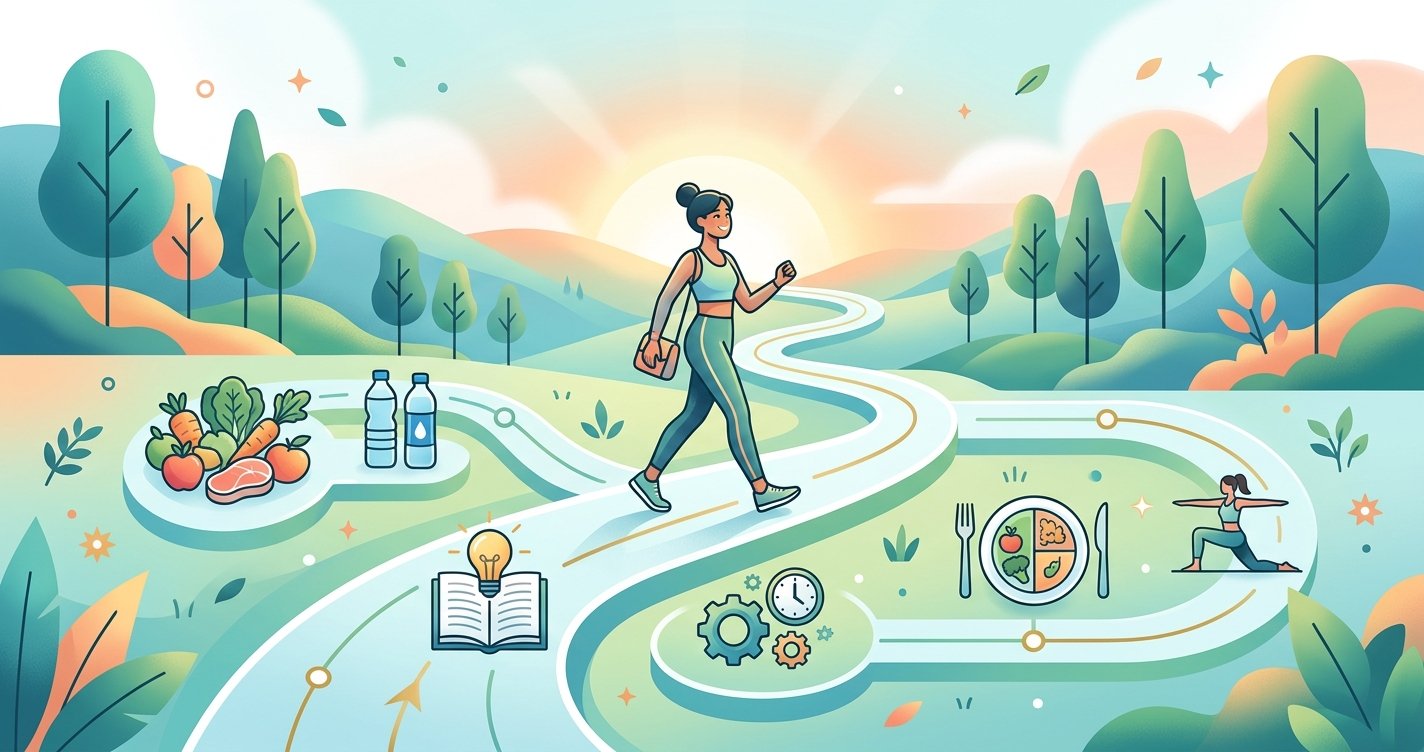
Unlock Sustainable Fat Loss: Your Evidence-Based Nutrition Roadmap
Embarking on a fat loss journey can feel overwhelming, with countless diets and conflicting advice flooding your social media feed. But what if we told you that sustainable fat loss doesn't have to be about deprivation or extreme measures? It's about understanding fundamental nutritional principles, making smart, consistent choices, and fostering a positive relationship with food. This guide will cut through the noise, providing you with an evidence-based, friendly, and encouraging roadmap to achieve your fat loss goals in a way that truly lasts.
We're going to dive deep into the cornerstones of effective fat loss nutrition: understanding the calorie deficit, harnessing the power of protein, making smart carb and fat choices, and integrating crucial lifestyle habits. Get ready to transform your body and your mindset! this excellent wellness product
The Foundation: Understanding the Calorie Deficit (Without Starvation!)
Let's get one thing straight: at its core, fat loss boils down to a calorie deficit. This isn't a fad; it's a fundamental law of thermodynamics. You must consume fewer calories than your body expends to encourage your body to tap into its stored fat reserves for energy.
What is a Calorie Deficit, Really?
A calorie deficit simply means eating slightly less energy than your body needs to maintain its current weight. Think of your body as needing a certain amount of fuel each day just to function (breathing, thinking, digesting) and to power your physical activity. If you consistently provide less fuel than it needs, it will start to burn stored fuel – which is primarily body fat – to make up the difference. The key word here is “slightly.” A moderate deficit (typically 300-500 calories below your maintenance level) is effective and much more sustainable than extreme cuts that leave you feeling hungry, deprived, and prone to rebound eating.
How to Calculate Your Starting Point
While precise calculations can be complex, you can get a good estimate. You can use online calculators (search for 'TDEE calculator') to estimate your Total Daily Energy Expenditure (TDEE), which is the number of calories your body burns in a day. Once you have this number, subtract 300-500 calories to find your target daily intake for fat loss. Remember, this is a starting point. Your body is unique, and you'll need to listen to it, track your progress, and adjust as needed. Focus on consistency over perfection.
The Power Player: Why Protein is Your Best Friend for Fat Loss
If there's one nutrient you absolutely must prioritize for fat loss, it's protein. This macronutrient offers a trifecta of benefits that make your journey smoother and more effective.
Satiety, Muscle Preservation, and the Thermic Effect
- Satiety: Protein is incredibly satiating, meaning it helps you feel fuller for longer. This is crucial when you're in a calorie deficit, as it reduces cravings and makes it easier to stick to your plan.
- Muscle Preservation: When you lose weight, you want to lose fat, not muscle. Adequate protein intake, especially when combined with resistance training, helps preserve your precious muscle mass. Muscle is metabolically active, meaning it burns more calories at rest than fat, so maintaining it is vital for a healthy metabolism.
- Thermic Effect of Food (TEF): Protein has the highest TEF of all macronutrients. This means your body expends more energy digesting and metabolizing protein compared to carbohydrates or fats. While the difference isn't massive, every little bit helps in a calorie deficit!
How Much Protein Do You Actually Need?
For fat loss, aiming for 0.7 to 1 gram of protein per pound of your target body weight (or current lean body mass) is a good general guideline. For example, if you weigh 150 lbs, aiming for 105-150 grams of protein per day would be beneficial. Distribute your protein intake throughout the day across your meals to maximize its benefits. Excellent sources include lean meats, poultry, fish, eggs, dairy products (Greek yogurt, cottage cheese), legumes, and protein supplements.
Smart Carb Choices and Healthy Fats: Fueling Your Body Right
Carbohydrates and fats often get a bad rap in the fat loss world, but they are essential for energy, hormone production, and overall health. The key is choosing the right types and quantities.
Quality Over Quantity: Choosing the Right Carbs
Not all carbs are created equal. Focus on complex carbohydrates that are rich in fiber. These include:
- Whole grains (oats, brown rice, quinoa, whole-wheat bread)
- Fruits (berries, apples, bananas)
- Vegetables (broccoli, spinach, sweet potatoes)
These choices provide sustained energy, help regulate blood sugar, and contribute to satiety thanks to their fiber content. Limit highly processed sugars and refined grains, which offer little nutritional value and can lead to energy crashes and increased cravings.
Don't Fear the Fat: Essential Fats for Health and Hormones
Healthy fats are crucial for hormone production, nutrient absorption, and brain function. They also contribute to satiety. Focus on unsaturated fats:
- Avocados
- Nuts and seeds (almonds, chia seeds, flaxseeds)
- Olive oil
- Fatty fish (salmon, mackerel)
While healthy, fats are calorie-dense, so portion control is important. Aim for around 20-30% of your daily calories from healthy fats.
Hydration and Fiber: The Often-Overlooked Heroes
These two elements might seem minor, but they play a significant role in making your fat loss journey more comfortable and effective.
- Hydration: Drinking plenty of water is vital. It helps with metabolism, can reduce feelings of hunger (sometimes thirst is mistaken for hunger), and supports overall bodily functions. Aim for at least 8 glasses a day, and more if you're active.
- Fiber: Found in whole grains, fruits, vegetables, and legumes, fiber is a fat loss powerhouse. It promotes digestive health, helps regulate blood sugar levels, and, most importantly, significantly boosts satiety, helping you feel fuller on fewer calories.
Beyond the Plate: Mindful Eating and Lifestyle Habits
Nutrition is paramount, but sustainable fat loss is a holistic endeavor. Your habits and mindset play an equally critical role.
Listen to Your Body: Hunger and Fullness Cues
In our busy lives, we often eat out of habit, stress, or boredom rather than true hunger. Practice mindful eating: eat slowly, savor your food, and pay attention to your body's signals. Stop when you're comfortably full, not stuffed. This practice can prevent overeating and help you develop a healthier relationship with food.
Consistency, Patience, and Self-Compassion
Fat loss is rarely a linear journey. There will be good days and challenging days. The key is consistency over perfection. Don't let one 'off' meal or day derail your entire progress. Pick yourself up, learn from it, and get back on track. Be patient with yourself; sustainable results take time. Celebrate small victories and treat your body with kindness. Remember, this is a journey towards a healthier, happier you, not a punishment.
Putting It All Together: Your Sustainable Fat Loss Roadmap
Sustainable fat loss isn't about rigid diets or magical pills. It's about empowering yourself with knowledge and making informed, consistent choices that align with your body's needs. Start by understanding your calorie deficit, then prioritize protein, choose quality carbs and healthy fats, and don't forget the power of hydration and fiber. Integrate mindful eating and cultivate patience and self-compassion.
This isn't just about shedding pounds; it's about building lasting habits that support your health, energy, and well-being for years to come. You have the power to transform your body and your life, one delicious, nutritious, and mindful meal at a time. Embrace the journey, trust the process, and celebrate every step forward!