Unlock Lasting Results: Your Friendly Guide to Sustainable Fat Loss Through Nutrition
Tired of diet fads that promise quick fixes but deliver only frustration? You’re not alone. Many embark on a fat loss journey with enthusiasm, only to be derailed by restrictive eating plans that are impossible to maintain long-term. But what if there was a better way? A way that focuses on nourishing your body, understanding its needs, and building healthy habits that stick? Good news: there is! This guide will empower you with evidence-based nutrition strategies for sustainable fat loss, helping you achieve your goals without sacrificing your love for food or your sanity. Let’s ditch the deprivation and embrace a path to lasting health and a body you feel great in.
The Foundation: Understanding the Calorie Deficit (Without Obsession)
At its core, fat loss boils down to one simple principle: you need to consume fewer calories than your body burns. This is known as a calorie deficit. While it sounds straightforward, the execution often gets overly complicated. The key isn't to drastically cut calories to starvation levels, which can slow your metabolism and lead to nutrient deficiencies. Instead, aim for a moderate, sustainable deficit (typically 300-500 calories below your maintenance level). This allows your body to tap into its fat stores for energy without feeling deprived or triggering extreme hunger. this excellent wellness product
Think of it as setting your body's energy budget. If you spend a little less than you earn each day, over time, your savings (fat stores) will decrease. Tools like online TDEE (Total Daily Energy Expenditure) calculators can give you an estimate of your maintenance calories, but remember, these are just starting points. Listen to your body and adjust as needed. The goal is consistency and gradual progress, not a race to the finish line.
Macronutrients Matter: Building Your Plate for Fat Loss
While total calories are king, the composition of those calories – your macronutrients (protein, carbohydrates, and fats) – plays a vital role in satiety, energy levels, and preserving muscle mass during fat loss.
- Protein Power: Your Satiety & Muscle Ally
Protein is your best friend when it comes to fat loss. It’s highly satiating, meaning it keeps you feeling fuller for longer, reducing the urge to snack. Crucially, protein also helps preserve lean muscle mass, which is metabolically active and important for keeping your metabolism revving. Aim for a generous portion of lean protein at every meal: chicken breast, fish, lean beef, eggs, Greek yogurt, tofu, or legumes. - Carb Clarity: Fueling Your Body Wisely
Carbohydrates often get a bad rap, but they are your body's primary energy source. The trick is to choose the right kind. Focus on complex carbohydrates rich in fiber, such as whole grains (oats, brown rice, quinoa), fruits, and vegetables. These provide sustained energy, prevent sharp blood sugar spikes, and contribute to satiety. Limit refined carbs like white bread, sugary drinks, and pastries, which offer little nutritional value and can lead to energy crashes and increased hunger. - Fat Facts: Essential for Health (in Moderation)
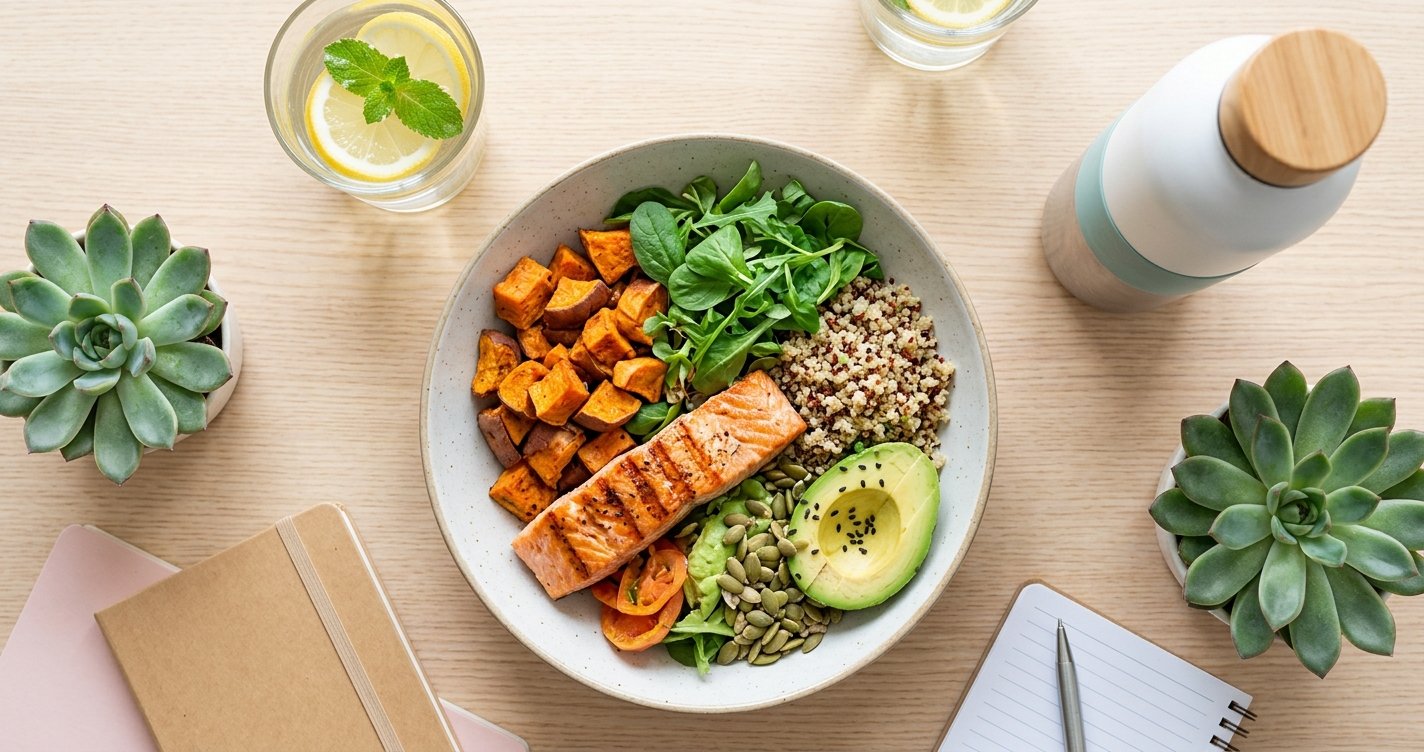
Dietary fats are essential for hormone production, nutrient absorption, and overall health. However, they are calorie-dense, so portion control is key. Prioritize healthy unsaturated fats found in avocados, nuts, seeds, olive oil, and fatty fish like salmon. Avoid trans fats (found in many processed foods) and limit saturated fats. A little healthy fat goes a long way in adding flavor and satisfaction to your meals.
Beyond Macros: The Power of Whole Foods and Fiber
Focusing on whole, unprocessed foods is arguably the most impactful nutrition strategy for fat loss. These foods are naturally rich in vitamins, minerals, antioxidants, and fiber, providing maximum nutrition with fewer calories.
- Embrace Fruits & Vegetables: They are low in calories, high in water content, and packed with fiber, making them incredibly filling. Load up your plate with a rainbow of produce at every meal.
- The Fiber Advantage: Fiber is a non-digestible carbohydrate that adds bulk to your diet, promoting satiety and aiding digestion. It also helps stabilize blood sugar levels. Good sources include fruits, vegetables, whole grains, legumes, nuts, and seeds.
Practical Strategies for Everyday Success
Knowledge is power, but application is what truly drives results. Here are actionable tips to integrate these principles into your daily life:
- Meal Planning & Preparation: Dedicate some time each week to plan your meals and snacks. Prepping healthy options in advance can drastically reduce decision fatigue and the likelihood of reaching for unhealthy convenience foods when hunger strikes.
- Portion Control Pointers: You don't always need to weigh every morsel. Learn visual cues: a serving of protein is about the size of your palm, a serving of complex carbs is a cupped hand, and healthy fats are roughly the size of your thumb. Use smaller plates to make portions look more substantial.
- Hydration Hero: Drink More Water: Often overlooked, water plays a crucial role. Drinking water before meals can help you feel fuller, and sometimes, thirst is mistaken for hunger. Keep a water bottle handy throughout the day.
- Mindful Eating: Savor Every Bite: Slow down during meals. Pay attention to the flavors, textures, and aromas. Put your fork down between bites. Listen to your body's hunger and fullness cues. This helps prevent overeating and increases satisfaction from your meals.
Navigating Challenges: Cravings, Social Events, and Plateaus
Your fat loss journey won't always be a straight line, and that's perfectly normal. Expect challenges and learn to navigate them with grace.
- Managing Cravings: Instead of fighting them, understand them. Are you truly hungry, or is it boredom, stress, or habit? If you choose to indulge, do so mindfully and in moderation. A small piece of dark chocolate or a handful of nuts can satisfy without derailing progress.
- Socializing Smartly: Don't let social events become an excuse to abandon your goals. Plan ahead: eat a healthy snack before you go, offer to bring a healthy dish, or opt for lighter choices and limit alcohol. Remember, it's about balance, not perfection.
- Breaking Plateaus: If progress stalls, don't get discouraged. Re-evaluate your intake, ensure you're still in a deficit, and consider adjusting your activity levels. Sometimes, simply increasing your non-exercise activity (like walking) can make a difference.
It's a Journey, Not a Destination: Embracing a Sustainable Lifestyle
The most successful fat loss isn't about a temporary diet; it's about adopting sustainable habits that you can maintain for life. This means focusing on progress, not perfection. There will be days when you don't eat perfectly, and that's okay. What matters is getting back on track and continuing to make choices that support your long-term health and well-being.
Embrace flexibility, learn from your experiences, and be kind to yourself. Sustainable fat loss is about building a healthier relationship with food and your body, leading to lasting results and a life filled with energy and confidence.
Conclusion: Your Path to Lasting Fat Loss Starts Now!
Sustainable fat loss isn't about deprivation or complicated rules; it's about informed choices, consistency, and building healthy habits one step at a time. By understanding the calorie deficit, prioritizing protein and whole foods, and implementing practical strategies like meal planning and mindful eating, you're setting yourself up for success. Remember, this is your unique journey. Start small, celebrate every victory, and trust the process. Your healthier, happier self is waiting!