Sustainable Fat Loss: Your Friendly Guide to Nutrition Strategies That Last
Tired of the yo-yo diet cycle? Frustrated by quick fixes that never seem to stick? You’re not alone. In a world saturated with fad diets, detoxes, and extreme eating plans, it’s easy to feel lost and overwhelmed when it comes to fat loss. But what if we told you that sustainable, lasting fat loss isn't about deprivation, but about smart, evidence-based nutrition strategies you can actually enjoy and maintain?
This isn't another restrictive diet plan. Instead, we’re going to explore practical, friendly, and science-backed ways to fuel your body, shed unwanted fat, and build healthy habits that truly last a lifetime. Get ready to transform your relationship with food and achieve the results you've always dreamed of, without sacrificing your sanity. this excellent wellness product
The Foundation: Why a Calorie Deficit Matters (and How to Achieve It Smartly)
Let's get straight to the science: at its core, fat loss boils down to a calorie deficit. This means you need to consume fewer calories than your body burns over a sustained period. Think of your body as a car: if you put less fuel in than you use, you’ll eventually run out of gas. For your body, that 'gas' is stored fat.
However, achieving this deficit doesn't mean starving yourself. It's about making smarter choices that allow you to feel full and satisfied while still consuming fewer calories. Here’s how:
- Understand Your Maintenance Calories: This is the number of calories your body needs to maintain its current weight. Online calculators can provide an estimate, but tracking your intake for a week or two and observing your weight is more accurate.
- Aim for a Moderate Deficit: A deficit of 300-500 calories per day is generally recommended for sustainable fat loss (around 1-2 pounds per week). This allows for steady progress without drastic hunger or energy crashes.
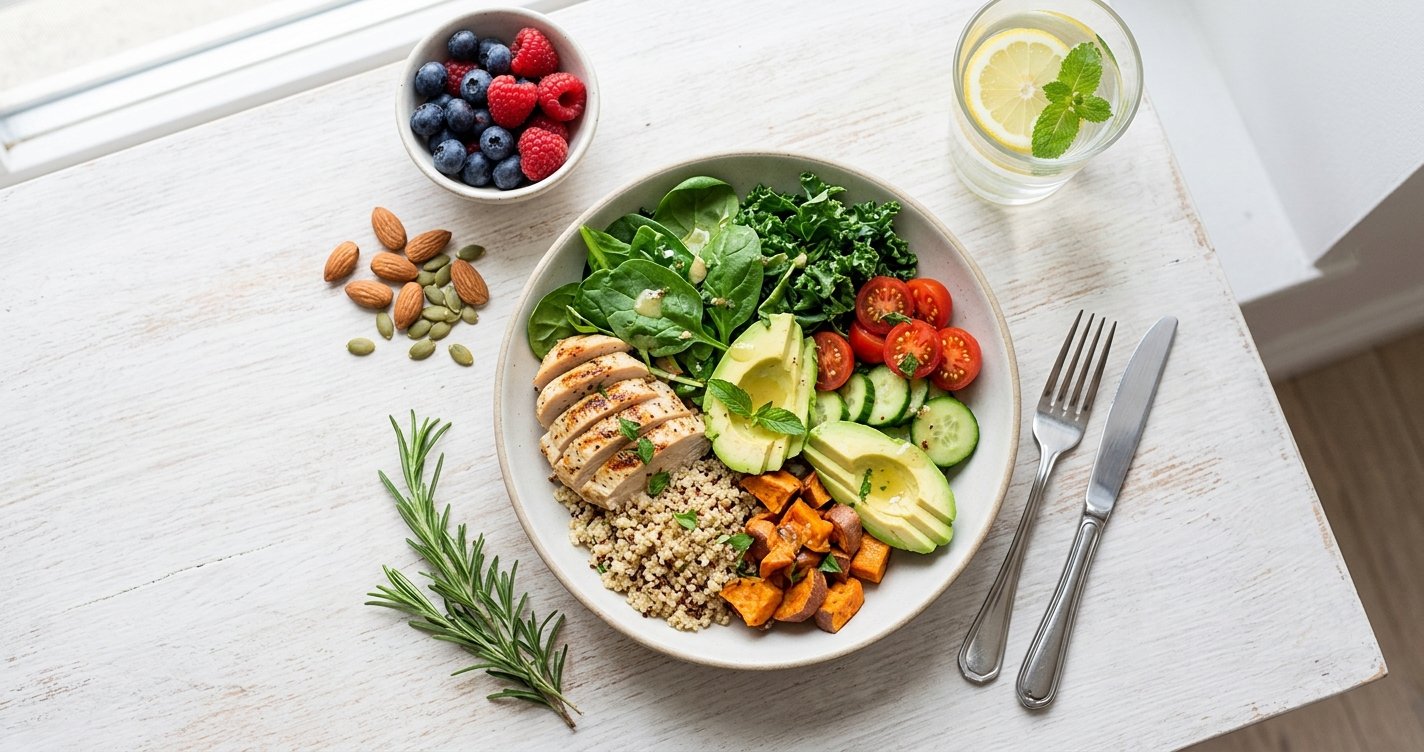
- Prioritize Nutrient Density: Choose foods that pack a lot of nutrients for fewer calories. Think lean proteins, vegetables, fruits, and whole grains. These foods fill you up without overshooting your calorie target.
Your Plate's Powerhouses: Protein, Carbs, and Fats for Fat Loss
While a calorie deficit is the main driver, the *composition* of those calories – your macronutrients (protein, carbohydrates, and fats) – plays a crucial role in satiety, energy, and muscle preservation.
Protein: Your Satiety & Muscle Guardian
Protein is your best friend when it comes to fat loss, and here's why:
- Satiety: Protein is incredibly filling. Eating enough protein helps reduce hunger and cravings, making it easier to stick to your calorie goals.
- Thermic Effect of Food (TEF): Your body burns more calories digesting protein than it does carbs or fats. This gives you a slight metabolic advantage.
- Muscle Preservation: When you're in a calorie deficit, there's a risk of losing muscle mass along with fat. Adequate protein intake, especially when combined with strength training, helps preserve that precious muscle, which is vital for a healthy metabolism.
Aim for: 0.7-1 gram of protein per pound of body weight. Good sources include lean meats, poultry, fish, eggs, dairy, legumes, and tofu.
Carbohydrates: Fueling Smart, Not Just Eating Them
Carbohydrates have gotten a bad rap in some diets, but they are your body's preferred energy source, especially if you're active. The key is choosing the *right* carbs.
- Complex Carbs for Sustained Energy: Opt for whole grains (oats, quinoa, brown rice), sweet potatoes, and fibrous vegetables. These are digested slowly, providing steady energy, preventing blood sugar spikes, and keeping you fuller for longer.
- Fiber is Your Friend: Found abundantly in fruits, vegetables, and whole grains, fiber adds bulk to your meals, aids digestion, and contributes significantly to satiety.
Aim for: Balancing your carb intake based on your activity level. On active days, you'll need more. Focus on whole, unprocessed sources.
Healthy Fats: Essential for Hormones & Fullness
Fats are calorie-dense, but they are absolutely essential for hormone production, nutrient absorption, and overall health. They also contribute to satiety.
- Choose Wisely: Focus on unsaturated fats found in avocados, nuts, seeds, olive oil, and fatty fish (like salmon). Limit saturated and trans fats found in processed foods.
- Portion Control: Because fats are calorie-dense, it's easy to overconsume them. Be mindful of portion sizes, even with healthy sources.
Aim for: 20-30% of your total daily calories from healthy fats.
The Whole Food Advantage: Eating for Health AND Fat Loss
Beyond macronutrients, the *quality* of your food choices makes a huge difference. Prioritizing whole, unprocessed foods is one of the most powerful strategies for fat loss and overall health.
- Nutrient Density: Whole foods (fruits, vegetables, lean proteins, whole grains) are packed with vitamins, minerals, and antioxidants that support your body's functions, boost energy, and enhance well-being.
- Fiber Content: As mentioned, whole foods, especially plant-based ones, are rich in fiber, which promotes fullness and aids digestion.
- Avoid Empty Calories: Processed foods, sugary drinks, and unhealthy snacks often contain 'empty calories' – lots of calories with little nutritional value. They tend to be less filling, leading to overeating and hindering fat loss.
- Reduced Inflammation: A diet rich in whole foods can reduce chronic inflammation, which is often linked to weight gain and various health issues.
Think of it this way: instead of focusing on what you *can't* eat, focus on what you *can* eat abundantly – a vibrant array of whole, nourishing foods!
Beyond the Plate: Cultivating Sustainable Habits & Mindset
Fat loss isn't just about what you eat; it's about *how* you eat and the habits you build around food. These sustainable practices are what turn temporary changes into lasting results.
Mindful Eating & Portion Control
Slow down, savor your food, and pay attention to your body's hunger and fullness cues. This simple practice can prevent overeating and help you appreciate your meals more.
- Eat Slowly: It takes about 20 minutes for your brain to register that you're full.
- Listen to Your Body: Stop when you're satisfied, not stuffed.
- Use Smaller Plates: A visual trick that can help with portion control.
Preparation is Key: Meal Planning & Batch Cooking
Failing to plan is planning to fail, especially when it comes to healthy eating. Taking time to plan and prepare your meals in advance can save you from unhealthy impulse decisions.
- Plan Your Meals: Decide what you'll eat for the week, including snacks.
- Grocery Shop Smartly: Stick to your list to avoid tempting unhealthy items.
- Batch Cook: Prepare larger quantities of healthy staples (cooked chicken, roasted veggies, quinoa) on one day to have readily available throughout the week.
Consistency Over Perfection
No one eats perfectly all the time, and that's okay! A slip-up doesn't mean you've failed; it means you're human. The key to sustainable fat loss is consistency over time, not perfection in every single meal.
- Don't Let One Meal Derail You: If you have an indulgent meal, simply get back on track with your next one.
- Focus on the Long Game: Small, consistent efforts add up to big results.
- Celebrate Small Wins: Acknowledge your progress, no matter how small. This builds momentum and motivation.
The Unsung Heroes: Hydration, Sleep, and Stress
Nutrition is paramount, but these often-overlooked factors play a significant supporting role in your fat loss journey.
- Hydration: Drinking enough water (aim for 8 glasses or more) helps with satiety, metabolism, and overall bodily functions. Sometimes, thirst is mistaken for hunger.
- Sleep: Lack of sleep can disrupt hormones that regulate appetite (ghrelin and leptin), leading to increased hunger and cravings, especially for high-calorie foods. Aim for 7-9 hours of quality sleep per night.
- Stress Management: Chronic stress can elevate cortisol levels, which can promote fat storage, particularly around the midsection. Find healthy ways to manage stress, such as meditation, yoga, or spending time in nature.
Navigating Plateaus and Staying Motivated
At some point, your fat loss might slow down or stop. This is normal! Your body adapts. When this happens, it's time to reassess:
- Re-evaluate Your Intake: As you lose weight, your body needs fewer calories. You might need to slightly adjust your calorie deficit.
- Increase Activity: Add more steps, try a new workout, or increase the intensity of your current routine.
- Be Patient: Sometimes, your body just needs time. Keep doing what you're doing, and often, the scale will start moving again.
- Focus on Non-Scale Victories: How do your clothes fit? How's your energy? Are you stronger? These are all signs of progress beyond the number on the scale.
Ready to Transform Your Journey?
Sustainable fat loss isn't about deprivation or quick fixes; it's about empowering yourself with knowledge, making informed choices, and building habits that support your health and well-being for the long run. By focusing on a smart calorie deficit, prioritizing protein and whole foods, and cultivating mindful eating practices, you're setting yourself up for success.
Remember, this is your unique journey. Be patient with yourself, celebrate every step forward, and embrace the process. Start small, be consistent, and watch as these sustainable nutrition strategies not only transform your body but also your entire relationship with food and health. You've got this!