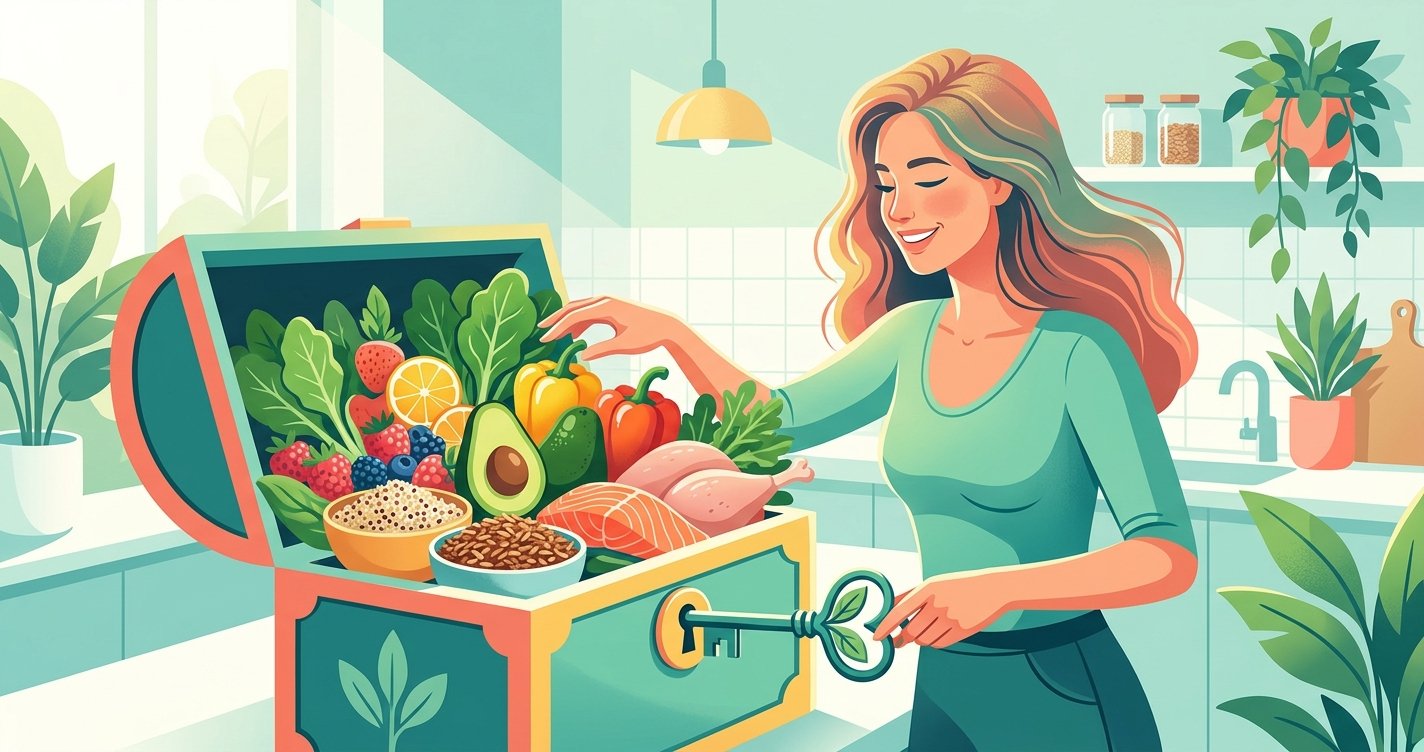
Are you tired of the diet roller coaster? The endless cycles of restriction, temporary success, and then regaining the weight, often with interest? You’re not alone. The truth is, most diets are designed for short-term results, not sustainable fat loss. But what if there was a better way? A path that focuses on nourishing your body, building healthy habits, and achieving lasting results without feeling deprived?
Welcome to the world of sustainable nutrition strategies for fat loss. This isn't about quick fixes; it's about understanding your body, making informed choices, and fostering a positive relationship with food. Let's ditch the fads and build a foundation for a healthier, happier you. this excellent wellness product
Why Most Diets Fail (And How You Can Win)
Before diving into what does work, let's briefly touch on why so many popular diets fall short. They often rely on extreme calorie restriction, eliminating entire food groups, or demonizing certain macronutrients. While these approaches might lead to rapid initial weight loss, they are rarely sustainable. They can lead to nutrient deficiencies, metabolic slowdown, intense cravings, and a constant battle against hunger. Psychologically, they foster a sense of failure when you inevitably 'fall off the wagon,' eroding self-esteem and making future attempts even harder.
The winning strategy? It's not about being perfect; it's about being consistent. It’s about making gradual, manageable changes that you can stick with for life, not just for a few weeks. This approach respects your body, your lifestyle, and your mental well-being, leading to fat loss that truly lasts.
The Core Principle: A Gentle Calorie Deficit, Made Easy
At its heart, fat loss boils down to one fundamental principle: consuming fewer calories than your body expends. This creates a 'calorie deficit,' forcing your body to tap into its stored fat reserves for energy. However, the key word here is gentle. A drastic deficit can be counterproductive, triggering extreme hunger and metabolic adaptation.
Estimating Your Needs (Without Obsession)
You don't need to meticulously count every single calorie for the rest of your life. Start by getting a rough idea of your Basal Metabolic Rate (BMR) and Total Daily Energy Expenditure (TDEE) using an online calculator. Then, aim to create a moderate deficit of 300-500 calories per day. This is often enough to see consistent fat loss (around 0.5-1 pound per week) without feeling starved. Think of these numbers as a starting point, not rigid rules. Listen to your body and adjust as needed.
Smart Tracking vs. Obsession
Initial tracking of your food intake for a few days or weeks can be incredibly insightful. It helps you understand portion sizes, calorie density of different foods, and where hidden calories might be lurking. Use a food tracking app as a learning tool, not a life sentence. Once you've gained awareness, you can transition to more intuitive eating, focusing on principles rather than precise numbers.
Protein Power: Your Best Friend for Fat Loss
If there's one macronutrient to prioritize for fat loss, it's protein. Here's why:
- Satiety: Protein is incredibly filling. Including adequate protein in each meal helps you feel fuller for longer, reducing overall calorie intake.
- Muscle Preservation: When you're in a calorie deficit, your body can break down muscle tissue along with fat. High protein intake helps preserve precious muscle mass, which is crucial for maintaining a healthy metabolism.
- Thermic Effect of Food (TEF): Your body burns more calories digesting protein compared to fats or carbohydrates. This means you get a slight metabolic boost just by eating protein!
Aim for: Roughly 1.6 to 2.2 grams of protein per kilogram of body weight per day, spread across your meals. Good sources include lean meats (chicken, turkey, beef), fish, eggs, dairy (Greek yogurt, cottage cheese), legumes (lentils, beans), and plant-based protein powders.
Fiber Friends: The Fullness Factor & Gut Health
Fiber is another unsung hero of sustainable fat loss. Found abundantly in plant foods, fiber adds bulk to your meals without adding significant calories. It slows down digestion, promoting a feeling of fullness and helping to stabilize blood sugar levels, which can curb cravings.
Beyond satiety, fiber is vital for gut health, feeding beneficial gut bacteria that play a role in metabolism and overall well-being.
Boost your fiber intake with:
- Fruits: Berries, apples, pears, oranges
- Vegetables: Broccoli, spinach, carrots, Brussels sprouts
- Whole Grains: Oats, quinoa, brown rice, whole-wheat bread
- Legumes: Beans, lentils, chickpeas
- Nuts and Seeds: Almonds, chia seeds, flaxseeds
Smart Carb Choices & Healthy Fats: Fueling Your Body Right
Carbohydrates and fats are often unfairly villainized, but they are essential for your body's proper functioning and energy. The key is making smart choices.
Carbohydrates: Quality Over Quantity
Focus on complex, whole carbohydrates. These are rich in fiber and nutrients and provide sustained energy. Think whole grains, fruits, vegetables, and legumes. Limit highly processed, refined carbohydrates like white bread, sugary cereals, and pastries, which offer little nutritional value and can lead to energy crashes and increased hunger.
Healthy Fats: Essential (in Moderation)
Fats are crucial for hormone production, nutrient absorption, and providing satiety. Incorporate healthy fats from sources like avocados, nuts, seeds, olive oil, and fatty fish (salmon). While healthy, fats are calorie-dense, so portion control is important.
Hydration: The Unsung Hero of Metabolism
Don't underestimate the power of plain water. Staying well-hydrated is crucial for numerous bodily functions, including metabolism. Sometimes, thirst can be mistaken for hunger, leading to unnecessary snacking. Drinking a glass of water before meals can also help you feel fuller and potentially eat less.
Make water your primary beverage choice and limit sugary drinks, which contribute empty calories and offer no satiety.
The Power of Mindful Eating: Beyond the Plate
Sustainable fat loss isn't just about what you eat, but also how you eat. Mindful eating involves paying attention to your food, your body's hunger and fullness cues, and the experience of eating. It's about slowing down, savoring each bite, and eating without distractions.
- Listen to your body: Eat when you're truly hungry, and stop when you're comfortably full, not stuffed.
- Eat slowly: It takes about 20 minutes for your brain to register fullness. Slower eating allows this signal to catch up.
- Minimize distractions: Turn off the TV, put away your phone, and focus on your meal.
- Recognize emotional eating: Are you eating out of boredom, stress, or sadness? Learning to identify these triggers can help you find healthier coping mechanisms.
Consistency, Not Perfection: The Long Game
The journey to sustainable fat loss is a marathon, not a sprint. There will be days when you make less-than-ideal food choices, or when progress seems slow. This is normal! The goal isn't perfection; it's consistency. Instead of viewing a slip-up as a failure, see it as a minor detour and get right back on track with your next meal.
Celebrate small victories, be patient with yourself, and remember that every healthy choice you make contributes to your long-term success. Building sustainable habits takes time, but the rewards — increased energy, better health, and lasting fat loss — are immeasurably worth it.
Your Sustainable Fat Loss Journey Starts Now
Embarking on a sustainable fat loss journey means shifting your mindset from restrictive dieting to nourishing your body and building lifelong healthy habits. By prioritizing a gentle calorie deficit, ample protein and fiber, smart carb and fat choices, hydration, and mindful eating, you're not just losing weight; you're gaining health, energy, and a positive relationship with food. It's time to ditch the frustration and embrace a path that truly works, for good.