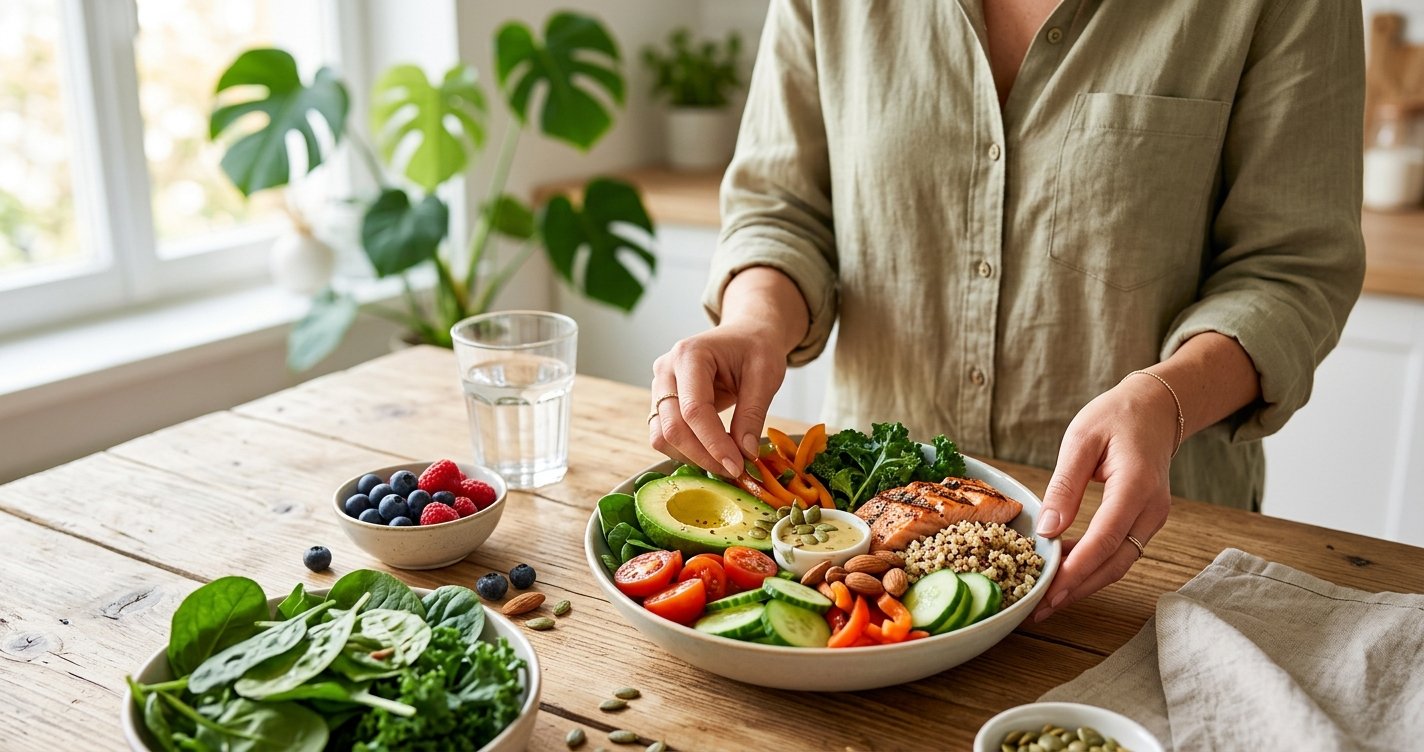
Tired of Dieting? Discover Sustainable Nutrition for Real Fat Loss!
Let's be honest: the world of fat loss can feel like a confusing maze of fad diets, extreme restrictions, and promises that rarely deliver. You've probably tried a few, maybe even seen some initial results, only to find yourself back where you started, feeling frustrated and defeated. But what if there was a different way? A path that focuses not on deprivation, but on nourishing your body, understanding your hunger, and building habits that last a lifetime?
Welcome to the world of sustainable fat loss through smart nutrition. This isn't about quick fixes or magic pills. It's about empowering you with evidence-based strategies to make informed food choices that support your goals, boost your energy, and help you shed fat in a way that feels good and is truly maintainable. Get ready to ditch the diet mentality and embrace a friendlier, more effective approach! this excellent wellness product
The Non-Negotiable Foundation: Understanding Your Calorie Deficit (No Starvation Required!)
At its core, fat loss boils down to one fundamental principle: consuming fewer calories than your body expends. This is known as a calorie deficit. While it sounds simple, the key to *sustainable* fat loss is creating this deficit intelligently, without feeling deprived or compromising your health.
- What is a Calorie Deficit? Your body uses energy (calories) for everything from breathing to exercising. If you consistently provide your body with slightly less energy than it needs, it will start to tap into its stored energy reserves – your body fat – for fuel.
- Why 'Sustainable' Matters: Extreme calorie restriction often leads to muscle loss, nutrient deficiencies, plummeting energy, and an inevitable rebound. A sustainable deficit means aiming for a moderate reduction (typically 300-500 calories below your maintenance level) that allows you to lose fat gradually (0.5-1% of body weight per week) without feeling constantly hungry or exhausted.
- How to Estimate: While exact numbers vary, online calculators can provide an estimate of your Total Daily Energy Expenditure (TDEE). From there, subtract 300-500 calories to find your target for fat loss. Remember, these are starting points – listen to your body and adjust as needed.
The good news? You don't need to meticulously count every single calorie forever. By focusing on nutrient-dense foods, you can often achieve a calorie deficit naturally and enjoyably.
Macronutrients: Your Power Trio for Fat Loss and Fullness
Think of macronutrients – protein, carbohydrates, and fats – as the big three building blocks of your diet. Each plays a crucial role in fat loss, energy, and overall health. Getting the right balance is key.
Protein: The Satiety Superstar & Muscle Preserver
If there's one macronutrient to prioritize for fat loss, it's protein. Here's why:
- Satiety: Protein is incredibly filling. Including enough protein in your meals helps you feel fuller for longer, reducing the urge to snack unnecessarily.
- Muscle Preservation: When you're in a calorie deficit, your body can sometimes break down muscle tissue for energy. Adequate protein intake helps protect your precious muscle mass, which is vital for maintaining a healthy metabolism.
- Thermic Effect of Food (TEF): Your body uses more energy to digest and metabolize protein than it does for carbs or fats. This means you burn a few extra calories just by eating protein-rich foods!
Sources: Lean meats, poultry, fish, eggs, dairy (Greek yogurt, cottage cheese), legumes, tofu, tempeh, protein powder.
Healthy Fats: Essential for Hormones and Satiety
Despite old myths, fats are not the enemy of fat loss. In fact, healthy fats are crucial for hormone production, nutrient absorption, and providing sustained energy. They also contribute significantly to satiety.
- Hormone Balance: Fats are integral to the production of many hormones, including those involved in appetite regulation and metabolism.
- Satiety: Fats slow down digestion, helping you feel satisfied after meals and preventing rapid blood sugar spikes.
- Nutrient Absorption: Many vitamins (A, D, E, K) are fat-soluble, meaning your body needs fat to absorb them properly.
Sources: Avocados, nuts, seeds, olive oil, fatty fish (salmon, mackerel), dark chocolate (in moderation).
Complex Carbohydrates: Fuel for Your Body and Brain
Carbohydrates have often been demonized in the fat loss world, but complex carbs are your body's preferred energy source. They provide fuel for your workouts, brain function, and overall vitality.
- Sustained Energy: Unlike simple sugars, complex carbs are digested slowly, providing a steady release of energy and preventing energy crashes.
- Fiber Power: Many complex carbs are rich in fiber, which is fantastic for digestive health, satiety, and blood sugar control (more on this below!).
- Nutrient Density: Whole-food carb sources come packed with essential vitamins and minerals.
Sources: Whole grains (oats, brown rice, quinoa, whole-wheat bread), starchy vegetables (sweet potatoes, squash), fruits, legumes.
Micronutrients & Fiber: The Unsung Heroes of a Healthy Metabolism
While macronutrients get a lot of attention, don't overlook the incredible power of micronutrients (vitamins and minerals) and fiber. They might not contain calories, but they are essential for your body's metabolic processes and overall well-being.
- Vitamins and Minerals: These tiny powerhouses act as cofactors in countless biochemical reactions, including those involved in energy production, fat metabolism, and hormone synthesis. A deficiency in key micronutrients can hinder your fat loss progress and overall health. Think vibrant fruits, vegetables, and fortified foods.
- Fiber: This non-digestible carbohydrate is a game-changer for fat loss. It adds bulk to your meals without adding many calories, promoting a feeling of fullness. Fiber also helps regulate blood sugar levels, preventing spikes and crashes that can lead to cravings. Moreover, it's crucial for a healthy gut microbiome, which is increasingly linked to weight management.
Sources: A wide variety of fruits, vegetables, legumes, whole grains, nuts, and seeds. Aim for a colorful plate!
Practical Strategies for Everyday Success
Knowing what to eat is one thing; consistently putting it into practice is another. Here are some actionable strategies to integrate sustainable nutrition into your daily life:
Meal Planning & Prep: Your Secret Weapon for Consistency
Failing to plan is planning to fail, especially when it comes to healthy eating. Dedicate some time each week to plan your meals and snacks. Even better, do some light meal prep.
- Batch Cook: Prepare large quantities of protein (chicken breast, hard-boiled eggs), grains (quinoa, brown rice), and roasted vegetables.
- Portion Out: Divide meals into containers for easy grab-and-go options throughout the week.
- Healthy Snacks Ready: Keep chopped veggies, fruit, nuts, or Greek yogurt on hand to avoid unhealthy impulse buys.
Mindful Eating: Reconnect with Your Body's Signals
In our fast-paced world, we often eat on autopilot. Mindful eating is about paying attention to your food, your hunger cues, and your satiety signals.
- Eat Slowly: It takes about 20 minutes for your brain to register that your stomach is full. Slow down, savor each bite, and put your fork down between mouthfuls.
- Tune In: Before you eat, ask yourself: Am I truly hungry, or am I bored, stressed, or thirsty? During your meal, notice the flavors, textures, and how your body feels.
- Stop When Satisfied, Not Stuffed: Learn to recognize that comfortable feeling of satisfaction rather than pushing until you're uncomfortably full.
Hydration: Don't Underestimate the Power of Water
Water is essential for every bodily function, including metabolism. Sometimes, what feels like hunger is actually thirst.
- Drink Up: Aim for 8 glasses (around 2 liters) of water daily, more if you're active.
- Before Meals: Drinking a glass of water before meals can help you feel fuller and potentially eat less.
- Swap Sugary Drinks: Replace sodas, juices, and sweetened teas with water, unsweetened tea, or sparkling water with a slice of fruit.
Smart Snacking: Fueling Between Meals Wisely
Snacks aren't inherently bad, but the *type* of snack matters. Choose snacks that are high in protein and fiber to keep you feeling full and energized.
- Go for Protein & Fiber: Greek yogurt with berries, a handful of almonds, an apple with peanut butter, or vegetable sticks with hummus are excellent choices.
- Avoid Empty Calories: Steer clear of highly processed snacks that offer little nutritional value and can lead to energy crashes and increased cravings.
Beyond the Plate: Lifestyle Factors That Supercharge Your Nutrition
While nutrition is paramount, remember that your body is a complex system. Other lifestyle factors significantly impact your ability to lose fat and sustain healthy eating habits.
- Sleep: Poor sleep can wreak havoc on your hunger hormones (ghrelin and leptin), making you feel hungrier and crave unhealthy foods. Aim for 7-9 hours of quality sleep per night.
- Stress Management: Chronic stress elevates cortisol, a hormone that can promote fat storage, especially around the belly. Find healthy ways to manage stress, such as meditation, yoga, or spending time in nature.
- Movement: You don't need to live in the gym, but incorporating regular physical activity (walking, strength training, dancing) complements your nutrition efforts by burning calories, building muscle, and improving overall well-being.
Your Journey to Sustainable Fat Loss Starts Now!
Embarking on a journey to sustainable fat loss is about making a conscious choice to nourish your body, understand its needs, and build habits that serve you for life. It's not about perfection, but about progress, consistency, and kindness to yourself.
Forget the restrictive diets that leave you feeling deprived and defeated. Embrace these simple, evidence-based nutrition strategies. Start small, make one change at a time, and celebrate every victory along the way. Your body will thank you, and you'll discover that eating your way to lasting fat loss can be an enjoyable, empowering, and truly sustainable experience. You've got this!