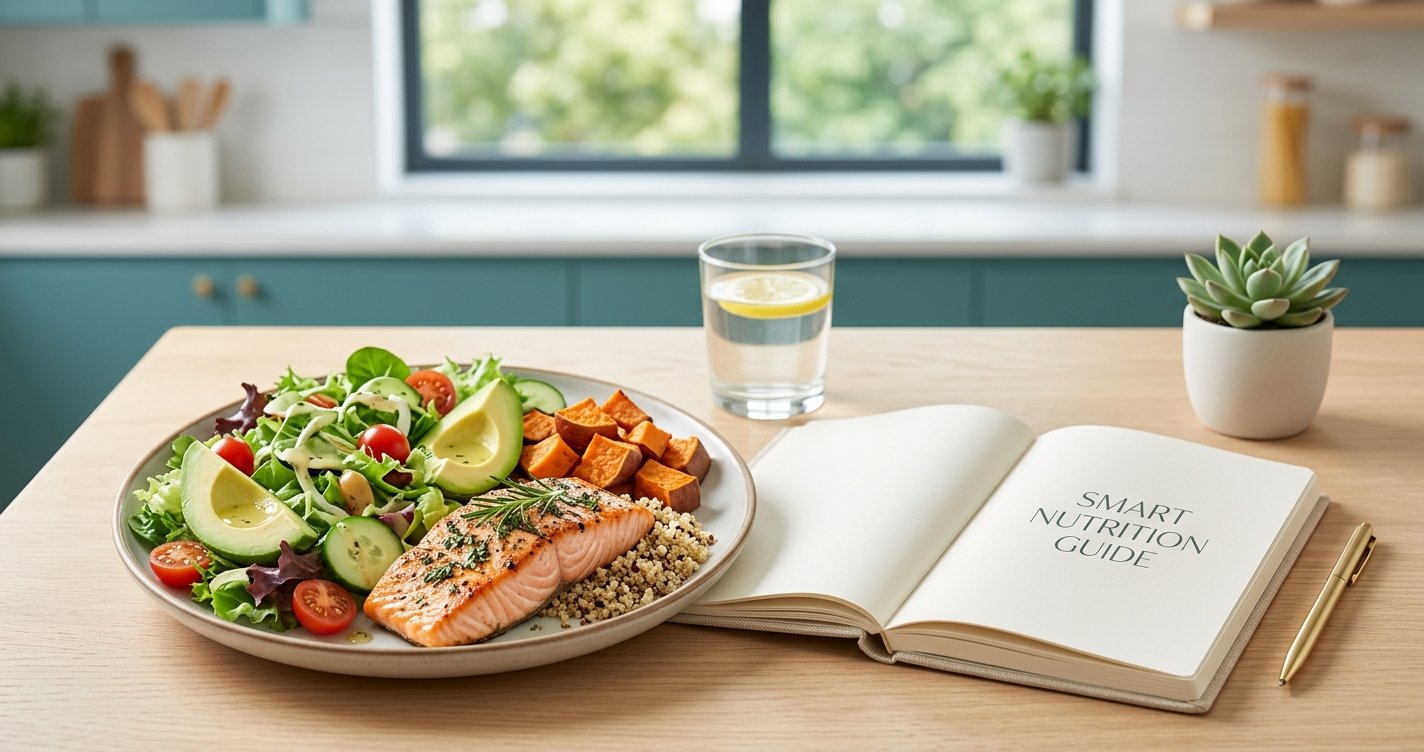
Tired of Yo-Yo Diets? Embrace Sustainable Fat Loss with Smart Nutrition!
We've all been there: the excitement of a new diet, the initial rapid weight loss, and then the inevitable plateau or, worse, regaining all the weight (and sometimes more). It’s a frustrating cycle that leaves many feeling defeated and questioning if long-term fat loss is even possible. The good news? It absolutely is! The secret lies not in restrictive fads, but in adopting sustainable, evidence-based nutrition strategies that nourish your body, satisfy your cravings, and fit seamlessly into your life.
This isn't about deprivation; it's about empowerment. It's about understanding how your body works and making informed choices that lead to lasting results. Forget the quick fixes; let's build a foundation for a healthier, happier you that truly lasts. this excellent wellness product
1. The Non-Negotiable Foundation: Understanding the Calorie Deficit
At its core, fat loss boils down to one fundamental principle: consuming fewer calories than your body expends. This is known as creating a calorie deficit. While it sounds simple, the execution is where many go wrong, often cutting too drastically and unsustainably.
- What it means: Your body needs energy (calories) to function. If you provide less energy than it needs, it will tap into stored energy – primarily fat – to make up the difference.
- How to achieve it healthily: Aim for a moderate deficit, typically 300-500 calories below your maintenance level. This allows for steady, sustainable fat loss (around 1-2 pounds per week) without slowing your metabolism or causing extreme hunger.
- Tracking (but not obsessing): For a period, using a food tracking app can be incredibly insightful to understand your current intake. It’s not about lifelong tracking, but about building awareness of portion sizes and the caloric density of foods. Once you have a good grasp, you can transition to more intuitive eating.
2. Prioritizing Protein: Your Secret Weapon for Satiety and Muscle Preservation
If there’s one macronutrient to prioritize for fat loss, it’s protein. It's a powerhouse that supports your goals in multiple ways, making it an absolute cornerstone of any sustainable nutrition plan.
- Increased Satiety: Protein is the most satiating macronutrient. Eating enough protein helps you feel fuller for longer, reducing overall calorie intake and curbing those pesky cravings.
- Higher Thermic Effect: Your body uses more energy (calories) to digest and metabolize protein compared to carbohydrates or fats. This is known as the Thermic Effect of Food (TEF), giving protein a slight metabolic advantage.
- Muscle Preservation: When you're in a calorie deficit, your body can sometimes break down muscle tissue for energy, not just fat. Adequate protein intake, especially when combined with strength training, helps preserve precious muscle mass, which is crucial for maintaining a healthy metabolism.
- Excellent Sources: Lean meats (chicken breast, turkey, lean beef), fish, eggs, Greek yogurt, cottage cheese, legumes (lentils, beans), tofu, tempeh, and protein supplements. Aim for 20-30 grams of protein per meal.
3. Embracing Fiber-Rich Carbs: Fueling Your Body, Taming Your Hunger
Carbohydrates often get a bad rap in fat loss circles, but the truth is, not all carbs are created equal. Fiber-rich, complex carbohydrates are your allies, not your enemies, providing sustained energy and supporting digestive health.
- Complex vs. Refined: Focus on complex carbohydrates found in whole grains, fruits, and vegetables. These are digested slowly, providing a steady release of glucose into your bloodstream, preventing energy crashes and intense hunger pangs. Refined carbs (white bread, sugary drinks, pastries) cause rapid blood sugar spikes and crashes, leading to increased cravings.
- The Power of Fiber: Fiber adds bulk to your meals, promoting satiety and aiding digestion. It also helps regulate blood sugar levels and supports a healthy gut microbiome, which is increasingly linked to weight management.
- Smart Choices: Opt for oats, quinoa, brown rice, whole-wheat bread/pasta, sweet potatoes, berries, apples, broccoli, spinach, and other colorful vegetables. These provide essential vitamins, minerals, and antioxidants alongside their carbohydrate and fiber content.
4. Healthy Fats: Essential for Hormones and Fullness (in Moderation)
Just like carbs, fats have been demonized, but healthy fats are vital for overall health, hormone production, and nutrient absorption. The key, however, is moderation due to their high caloric density.
- Why We Need Them: Healthy fats are crucial for brain function, hormone regulation, and the absorption of fat-soluble vitamins (A, D, E, K). They also contribute to satiety, making your meals more satisfying.
- Types to Focus On: Prioritize monounsaturated and polyunsaturated fats. These are found in avocados, nuts (almonds, walnuts), seeds (chia, flax, pumpkin), olive oil, and fatty fish (salmon, mackerel).
- Mind Your Portions: While healthy, fats are calorie-dense (9 calories per gram compared to 4 for protein and carbs). A small handful of nuts or a tablespoon of olive oil can add significant calories, so be mindful of portion sizes.
5. The Power of Meal Planning and Preparation: Setting Yourself Up for Success
Failing to plan is planning to fail, especially when it comes to nutrition. Meal planning and preparation are game-changers for consistent fat loss, removing guesswork and reducing the likelihood of impulsive, unhealthy choices.
- Reduces Decision Fatigue: When you're hungry, tired, or stressed, your willpower is often low. Having pre-planned or pre-prepared healthy meals ready to go eliminates the need to make food decisions under pressure.
- Saves Time and Money: Batch cooking a few meals for the week can save you hours of cooking time daily and often proves more cost-effective than eating out or ordering takeout.
- Tips for Effective Prep: Choose a day to plan your meals, create a grocery list, and dedicate a few hours to cooking staples like grilled chicken, roasted vegetables, or a batch of quinoa. Portion them out into containers for easy grab-and-go options.
6. Mindful Eating: Reconnecting with Your Body's Cues
Beyond what you eat, how you eat plays a significant role in fat loss and overall well-being. Mindful eating encourages you to pay attention to your body's hunger and fullness signals, transforming your relationship with food.
- Slow Down: It takes about 20 minutes for your stomach to signal to your brain that you're full. Eating slowly gives your body time to register satiety, preventing overeating.
- Eliminate Distractions: Put away your phone, turn off the TV, and focus on your meal. Notice the flavors, textures, and aromas.
- Listen to Your Body: Eat when you're truly hungry, not just bored or stressed. Stop when you're comfortably full, not stuffed. This practice helps you differentiate between physical hunger and emotional cravings.
7. Hydration and Sleep: The Often-Overlooked Fat Loss Pillars
While often overshadowed by diet and exercise, adequate hydration and quality sleep are non-negotiable for optimal health and effective fat loss. Neglecting them can sabotage even the best nutrition efforts.
- Hydration's Role: Water is essential for every bodily function, including metabolism. Sometimes, thirst can be mistaken for hunger, leading to unnecessary snacking. Drinking plenty of water (aim for 8-10 glasses daily) can help with satiety, boost metabolism, and aid in nutrient transport.
- The Sleep-Fat Loss Connection: Poor sleep disrupts hunger-regulating hormones. Insufficient sleep can increase ghrelin (the hunger hormone) and decrease leptin (the satiety hormone), making you feel hungrier and less satisfied. It also elevates cortisol (the stress hormone), which can promote fat storage, particularly around the midsection. Prioritize 7-9 hours of quality sleep each night.
Your Journey to Lasting Fat Loss Starts Now!
Sustainable fat loss isn't about chasing perfection; it's about pursuing progress through consistent, healthy habits. By focusing on a moderate calorie deficit, prioritizing protein, embracing fiber-rich carbs and healthy fats, planning your meals, practicing mindful eating, and optimizing your hydration and sleep, you're building a robust framework for success.
Remember, this is a journey, not a race. There will be good days and challenging days, but consistency and patience are your greatest allies. Be kind to yourself, celebrate small victories, and focus on nourishing your body from the inside out. If you're unsure where to start or have specific health concerns, consulting with a registered dietitian or healthcare professional can provide personalized guidance and support.
You have the power to transform your health and achieve the lasting results you deserve. Start making these smart nutrition choices today, and watch your body and mind thank you for it!