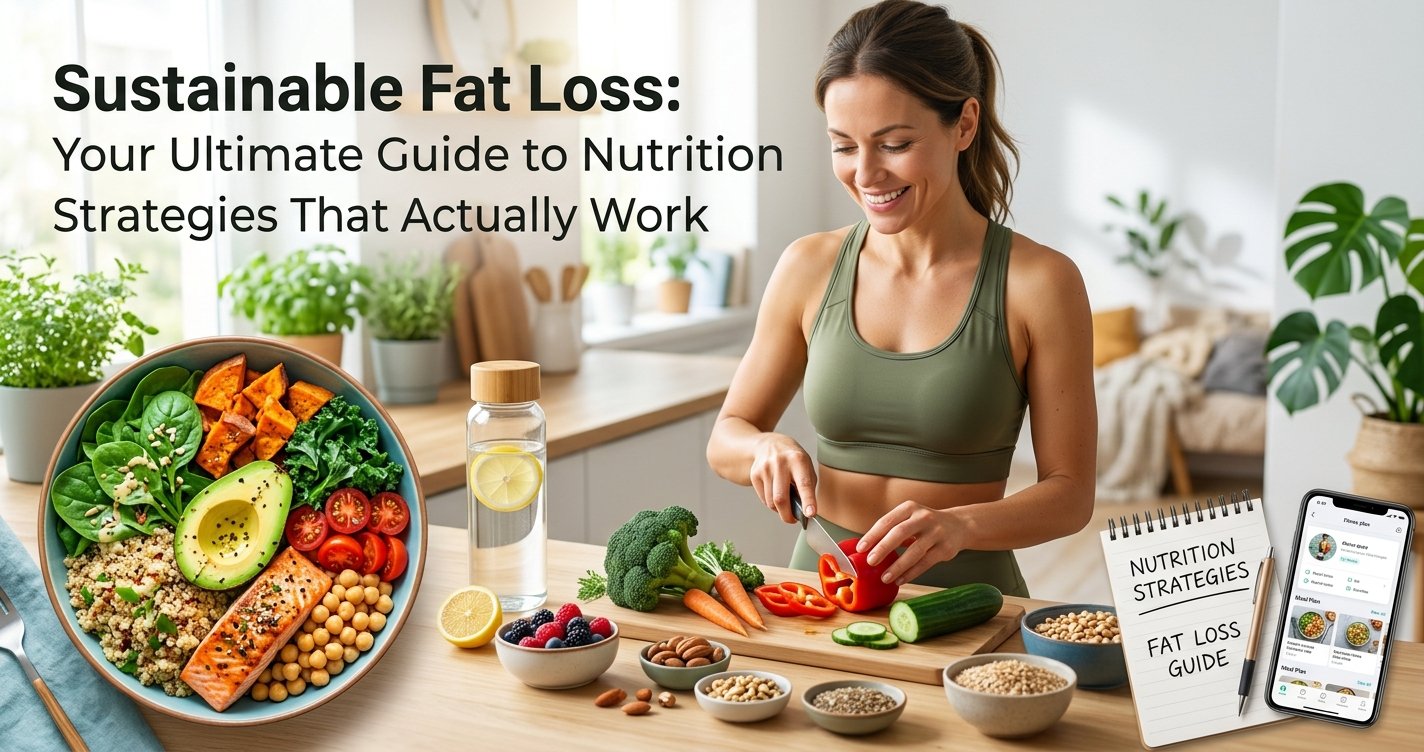
Tired of crash diets, restrictive eating, and the frustrating cycle of losing weight only to gain it back? You're not alone. In a world saturated with quick fixes and extreme solutions, it’s easy to feel lost when it comes to fat loss. But what if we told you there’s a better way? A sustainable, evidence-based approach that focuses on nourishing your body, building healthy habits, and achieving lasting results without sacrificing your love for food?
Welcome to your ultimate guide to sustainable fat loss through smart nutrition. This isn't about deprivation; it's about empowerment. We'll dive deep into strategies that work with your body, not against it, helping you understand the science behind effective fat loss and how to apply it to your everyday life. Get ready to transform your relationship with food and unlock a healthier, happier you! this excellent wellness product
The Core Principle: Energy Balance (Without Obsession)
Let's get one thing straight: at its most fundamental level, fat loss occurs when you consume fewer calories than your body burns. This is known as creating a 'calorie deficit' or 'energy deficit.' However, before you start frantically counting every single calorie, understand that this principle doesn't demand obsession or starvation.
Think of it as a gentle nudge rather than a drastic overhaul. Our bodies are incredibly complex and adaptable. While calorie counting can be a useful tool for some, it's not the only way to achieve a deficit. By making smarter food choices, prioritizing nutrient-dense options, and being mindful of portion sizes, you can naturally create the necessary deficit without feeling deprived. It’s about eating smarter, not necessarily eating less, and focusing on quality over quantity to keep you feeling full and satisfied.
Fueling Your Body Right: Macronutrients for Fat Loss
Macronutrients – protein, carbohydrates, and fats – are the building blocks of your diet, each playing a critical role in your body's function and, crucially, in your fat loss journey. Understanding how to balance them is key.
Protein: Your Fat Loss Powerhouse
If there's one macronutrient to prioritize for fat loss, it's protein. It's truly a game-changer for several reasons:
- Satiety: Protein is incredibly filling. Including adequate protein in your meals helps you feel fuller for longer, reducing the likelihood of overeating or snacking on less nutritious options.
- Muscle Preservation: When you're in a calorie deficit, your body can sometimes break down muscle tissue for energy. Protein helps preserve your precious muscle mass, which is vital for maintaining a healthy metabolism.
- Thermic Effect of Food (TEF): Your body expends more energy to digest and metabolize protein compared to carbs or fats. This means you burn more calories just by eating it!
Sources: Lean meats (chicken, turkey), fish, eggs, dairy (Greek yogurt, cottage cheese), legumes (lentils, beans), tofu, tempeh, and protein powders.
Recommendation: Aim for 0.7-1 gram of protein per pound of your target body weight daily, spread across your meals.
Carbohydrates: Not the Enemy!
Carbohydrates often get a bad rap in the fat loss world, but they are far from the enemy. They are your body's primary source of energy. The key is to choose the right kind of carbohydrates.
- Complex Carbs: These are your friends. Found in whole grains, fruits, and vegetables, complex carbs are rich in fiber, digest slowly, provide sustained energy, and help regulate blood sugar levels.
- Simple Carbs: Found in sugary drinks, candies, and refined grains, these provide quick energy but often lead to blood sugar spikes and crashes, potentially increasing cravings and fat storage.
Sources of Complex Carbs: Oats, brown rice, quinoa, whole-wheat bread, sweet potatoes, berries, apples, broccoli, spinach.
Recommendation: Focus on whole, unprocessed carbohydrate sources, especially those high in fiber, to fuel your workouts and daily activities.
Healthy Fats: Essential for Everything
Just like carbs, fats have been demonized, but healthy fats are absolutely crucial for your health and well-being. They play a vital role in hormone production, nutrient absorption, brain function, and even satiety.
The trick is to choose healthy fats and consume them in moderation, as they are calorie-dense.
Sources: Avocados, nuts (almonds, walnuts), seeds (chia, flax, hemp), olive oil, fatty fish (salmon, mackerel).
Recommendation: Incorporate healthy fats into your diet, but be mindful of portion sizes. A good rule of thumb is about a thumb-sized portion per meal.
Beyond Macros: The Power of Whole Foods and Fiber
While macros are important, focusing on whole, unprocessed foods is arguably the most impactful strategy for sustainable fat loss.
Why Whole Foods? They come packed with vitamins, minerals, antioxidants, and fiber – all essential for optimal health and efficient body function. They are generally less calorie-dense than their processed counterparts, meaning you can eat a larger volume of food for fewer calories, leading to greater satiety.
The Magic of Fiber: Fiber is a superstar for fat loss. It adds bulk to your meals without adding significant calories, promoting feelings of fullness. It also aids digestion, helps stabilize blood sugar levels, and supports a healthy gut microbiome, which is increasingly linked to weight management.
- High-Fiber Foods: Fruits (especially with skin), vegetables, legumes, whole grains, nuts, and seeds.
Hydration, Mindful Eating, and Consistency: Your Secret Weapons
Nutrition isn't just about what you eat; it's also about how you eat and the habits you build around food.
Drink Up: The Unsung Hero of Fat Loss
Water is often overlooked but plays a crucial role in fat loss. It helps with nutrient transport, regulates body temperature, aids digestion, and can even help you feel fuller. Sometimes, what you perceive as hunger is actually thirst.
Recommendation: Aim for 8-10 glasses of water daily, and consider drinking a glass before each meal.
Mindful Eating: Reconnecting with Your Body
In our fast-paced world, many of us eat distractedly. Mindful eating is about paying attention to your food – its taste, texture, smell – and listening to your body's hunger and fullness cues. This simple practice can prevent overeating and enhance your enjoyment of food.
Tips: Eat slowly, chew thoroughly, put your fork down between bites, and avoid distractions like TV or your phone during meals.
Consistency, Not Perfection: The Long Game
Sustainable fat loss is a marathon, not a sprint. There will be days when you make less-than-ideal choices, and that's perfectly okay. Don't let one slip-up derail your entire journey. The most important factor is consistency over time.
Focus on making small, manageable changes that you can stick with for the long haul. Celebrate your progress, learn from setbacks, and always remember that every healthy choice you make contributes to your overall goal.
Practical Tips for Everyday Success
- Meal Prepping: Dedicate a few hours each week to prepare healthy meals and snacks. This prevents impulsive, unhealthy choices when hunger strikes.
- Smart Snacking: If you need snacks, choose options rich in protein and fiber, like Greek yogurt with berries, a handful of nuts, or veggie sticks with hummus.
- Read Labels: Become familiar with nutrition labels. Look for whole ingredients, low added sugars, and good sources of fiber and protein.
- Listen to Your Body: Learn to differentiate between true hunger and emotional hunger. Eat when you're hungry, and stop when you're comfortably full.
- Don't Restrict Too Much: Allowing for occasional treats in moderation can prevent cravings from becoming overwhelming and leading to binges. The 80/20 rule (80% healthy, 20% flexible) works well for many.
Bringing It All Together: Your Path to Sustainable Fat Loss
Achieving sustainable fat loss isn't about following a rigid diet plan for a few weeks; it's about building a foundation of healthy eating habits that you can maintain for life. It’s about understanding your body's needs, fueling it with nutritious whole foods, prioritizing protein and fiber, staying hydrated, and practicing mindfulness.
Remember, this journey is unique to you. Be patient with yourself, celebrate every small victory, and focus on progress over perfection. By embracing these evidence-based nutrition strategies, you're not just losing fat; you're gaining health, energy, and a profound sense of well-being that will last far beyond any temporary diet.
You have the power to make these positive changes. Start today, one healthy choice at a time, and watch as you transform not just your body, but your entire life!