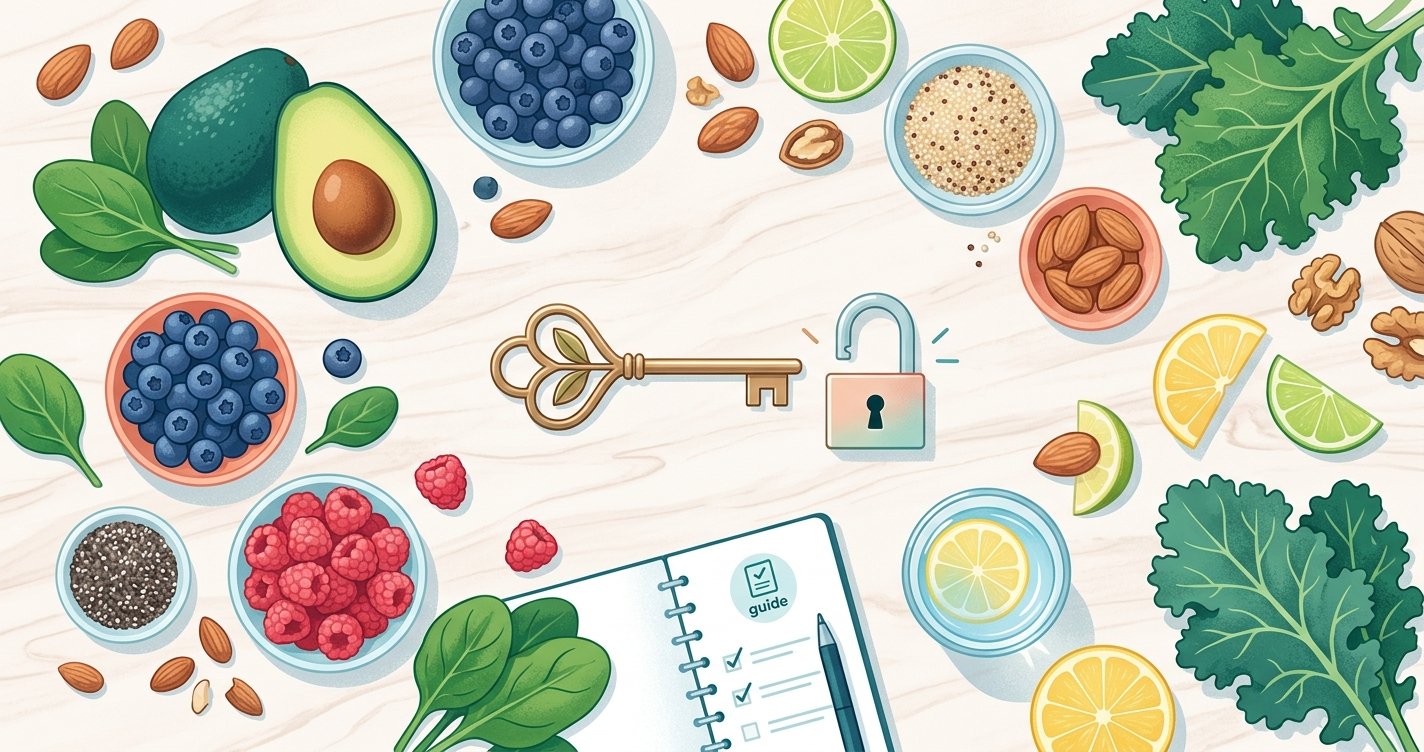
Unlock Sustainable Fat Loss: Your Friendly Guide to Long-Term Nutrition Success
Are you tired of the endless cycle of restrictive diets, quick fixes, and disappointing rebounds? You're not alone. The journey to fat loss can feel like a rollercoaster, but what if we told you there’s a better way – a sustainable path that prioritizes your health, happiness, and long-term success? It’s time to shift our focus from temporary deprivation to building lasting habits through smart, evidence-based nutrition strategies.
This guide is designed to empower you with the knowledge and tools to achieve sustainable fat loss, not just for a few weeks, but for life. We'll ditch the diet mentality and embrace a flexible, encouraging approach that fits into your real life. Let's dive in! this excellent wellness product
Why Fad Diets Fall Short (And What Works Instead)
Before we talk about what works, let’s briefly touch upon why so many popular diets fail us in the long run. Often, they promise rapid results through extreme restriction, cutting out entire food groups, or relying on specific 'magic' foods. While you might see initial weight loss, these approaches are rarely sustainable.
The Vicious Cycle of Restriction and Rebound
When you severely restrict calories or specific macronutrients, your body often responds with intense cravings, fatigue, and irritability. This can lead to feelings of deprivation, making it incredibly difficult to stick to the plan. Eventually, willpower wanes, and you might 'fall off the wagon,' often leading to overeating and regaining the lost weight, sometimes even more. This cycle can be incredibly discouraging and damaging to your relationship with food.
Shifting Your Mindset: From Dieting to Lifestyle
The key to sustainable fat loss lies in a fundamental mindset shift. Instead of viewing your eating habits as a temporary 'diet,' start thinking of them as a permanent lifestyle change. This doesn't mean perfection; it means developing healthy, enjoyable eating patterns that you can maintain indefinitely. It’s about making informed choices most of the time, allowing for flexibility, and understanding that progress isn't linear.
The Core Pillars of Sustainable Fat Loss Nutrition
Forget complex rules. Sustainable fat loss nutrition is built on a few fundamental, evidence-based principles. These aren't about 'good' or 'bad' foods, but about making balanced choices that support your body's needs and your goals.
Calorie Awareness, Not Obsession: Understanding Your Energy Balance
At its heart, fat loss comes down to energy balance: consuming fewer calories than your body expends. This creates a 'calorie deficit,' forcing your body to tap into stored fat for energy. While calorie counting can be a useful tool for awareness, it doesn't have to be a lifelong obsession. Start by understanding roughly how many calories you need to maintain your weight (your Total Daily Energy Expenditure or TDEE) and then aim for a moderate deficit (e.g., 300-500 calories below your TDEE). This can often be achieved by making smarter food choices rather than meticulously tracking every bite.
Prioritize Protein: Your Satiety and Muscle Ally
Protein is a superpower when it comes to fat loss. Here's why:
- Satiety: Protein is incredibly filling, helping you feel fuller for longer and reducing overall calorie intake.
- Muscle Preservation: When you're in a calorie deficit, there's a risk of losing muscle mass along with fat. Adequate protein intake helps preserve lean muscle, which is crucial for a healthy metabolism.
- Thermic Effect: Your body uses more energy to digest protein compared to carbs or fats, meaning you burn a few extra calories just by eating it!
Aim for a good source of protein at every meal: lean meats, poultry, fish, eggs, dairy, legumes, tofu, or protein powder.
Embrace Fiber-Rich Carbs: Fueling Your Body and Gut
Carbohydrates are not the enemy! The right kind of carbs – those rich in fiber – are essential for energy, digestive health, and satiety. Fiber helps slow down digestion, stabilize blood sugar levels, and keeps you feeling full. It also feeds your beneficial gut bacteria, which plays a role in overall health and even weight management.
Focus on complex carbohydrates like:
- Whole grains (oats, brown rice, quinoa, whole-wheat bread)
- Fruits (berries, apples, bananas)
- Vegetables (broccoli, spinach, sweet potatoes)
- Legumes (lentils, beans)
Don't Fear Healthy Fats: Essential for Hormones and Satiety
Just like carbs, fats have gotten a bad rap. However, healthy fats are vital for hormone production, nutrient absorption, brain health, and yes, even satiety. They add flavor and satisfaction to your meals, preventing you from feeling deprived.
Incorporate sources like:
- Avocados
- Nuts and seeds (almonds, chia, flax)
- Olive oil and other healthy cooking oils
- Fatty fish (salmon, mackerel)
Remember, fats are calorie-dense, so portion control is still important, but don't cut them out entirely!
Practical Strategies for Everyday Success
Knowing what to eat is one thing; putting it into practice consistently is another. Here are some actionable strategies to make sustainable fat loss a seamless part of your life.
Meal Planning & Preparation: Your Secret Weapon
Failing to plan is planning to fail, especially when it comes to nutrition. Dedicate some time each week to:
- Plan your meals: Decide what you'll eat for breakfast, lunch, dinner, and snacks.
- Create a shopping list: Stick to it to avoid impulse buys.
- Prep ahead: Wash and chop veggies, cook a batch of grains, or portion out protein sources. This makes healthy eating effortless during busy weekdays.
Mindful Eating: Reconnecting with Hunger and Fullness
In our fast-paced world, we often eat on autopilot. Mindful eating means paying attention to your body's signals of hunger and fullness, savoring your food, and noticing how it makes you feel. This can help you avoid overeating and develop a healthier relationship with food.
- Eat slowly, without distractions.
- Chew thoroughly and put your fork down between bites.
- Stop when you feel satisfied, not stuffed.
Hydration: Often Overlooked, Always Important
Water is crucial for countless bodily functions, including metabolism. Sometimes, thirst can be mistaken for hunger, leading to unnecessary snacking. Aim to drink plenty of water throughout the day. Keep a water bottle handy as a visual reminder.
Smart Snacking: Keeping Cravings at Bay
Snacks can be a valuable tool for managing hunger and preventing overeating at main meals. The key is to choose smart snacks that are rich in protein and fiber. Think:
- Greek yogurt with berries
- Apple slices with a tablespoon of nut butter
- A handful of almonds
- Vegetable sticks with hummus
Beyond the Plate: Lifestyle Factors That Support Fat Loss
Sustainable fat loss isn't just about what you eat; it's a holistic endeavor. Other lifestyle factors play a significant role in your body's ability to shed fat and maintain a healthy weight.
The Power of Sleep: Rest for Results
Skimping on sleep can sabotage your fat loss efforts. Lack of sleep disrupts hunger-regulating hormones: it increases ghrelin (the 'hunger hormone') and decreases leptin (the 'satiety hormone'). This can lead to increased appetite, cravings for unhealthy foods, and reduced willpower. Aim for 7-9 hours of quality sleep per night.
Stress Management: Taming the Cortisol Beast
Chronic stress triggers the release of cortisol, a hormone that can promote fat storage, especially around the abdominal area. Finding healthy ways to manage stress – whether through meditation, yoga, spending time in nature, or hobbies – is vital for both your mental and physical well-being.
Incorporating Movement: Exercise as a Complement
While nutrition is paramount for fat loss, regular physical activity is an incredible complement. Exercise helps burn calories, build and preserve muscle mass, boost metabolism, improve mood, and reduce stress. Find activities you enjoy, whether it's walking, strength training, dancing, or cycling, and make them a consistent part of your routine.
Building Habits That Last a Lifetime
Sustainable fat loss is a journey of small, consistent steps, not giant leaps. It's about building habits that serve you well for the long haul.
Start Small, Stay Consistent
Don't try to overhaul everything at once. Pick one or two small changes to implement each week. Maybe it's adding protein to your breakfast, drinking more water, or going for a 15-minute walk daily. Consistency in small habits yields significant results over time.
Learn from Setbacks, Don't Give Up
There will be days when you make less-than-ideal choices. That's perfectly normal! The key is not to let one 'bad' meal or day derail your entire progress. Acknowledge it, learn from it, and get right back on track with your next meal. Don't let perfection be the enemy of good.
Seek Support and Celebrate Progress
Share your journey with a trusted friend, family member, or join an online community. Having support can make a huge difference. And importantly, celebrate your non-scale victories – improved energy, better sleep, clothes fitting better, increased strength, or simply feeling more confident. These are powerful motivators for long-term success.
Your Journey to a Healthier, Happier You
Sustainable fat loss isn't about deprivation or suffering; it's about nourishing your body, understanding its needs, and building a lifestyle that supports your health and well-being. By focusing on calorie awareness, prioritizing protein and fiber, embracing healthy fats, and incorporating crucial lifestyle factors like sleep and stress management, you can break free from the diet cycle. Embrace this journey with patience, kindness, and consistency, and you'll not only achieve your fat loss goals but also cultivate a healthier, happier relationship with food and your body for life.